


Reconstructing One Property on One Day That Has Already Passed
A trust or estate valuation answers to a date that is usually behind you. We are instructed as to that date. We do not choose it, and we do not advise on whether to elect a different one.
Scope, effective date and fee are agreed in writing before any work begins. This page explains how a past date is established from evidence and what the report can and cannot settle. It does not tell you what the estate owes, what any beneficiary receives, or what any tax authority requires. Those are questions for your counsel or your accountant, and we will say so rather than answer them.
Why a past date is answerable here
What Changed Between Then and Now
Start with what Culver City is. Fourteen per cent of the housing here was built after 1980, against twenty nine per cent across Los Angeles County. Exactly half the county rate. Nearly a quarter of everything went up in the 1970s alone, twenty four per cent against fourteen, and sixty two per cent predates 1960.
That has one useful consequence and one difficult one, and both matter to a valuation set in the past.
The useful one is that the comparable set is stable across time. A city that has barely added stock in forty years is largely the same city at an effective date some years back as it is today. The properties trading then are substantially the properties trading now, which is not true everywhere and is the reason a retrospective valuation here rests on firmer ground than the phrase usually suggests.
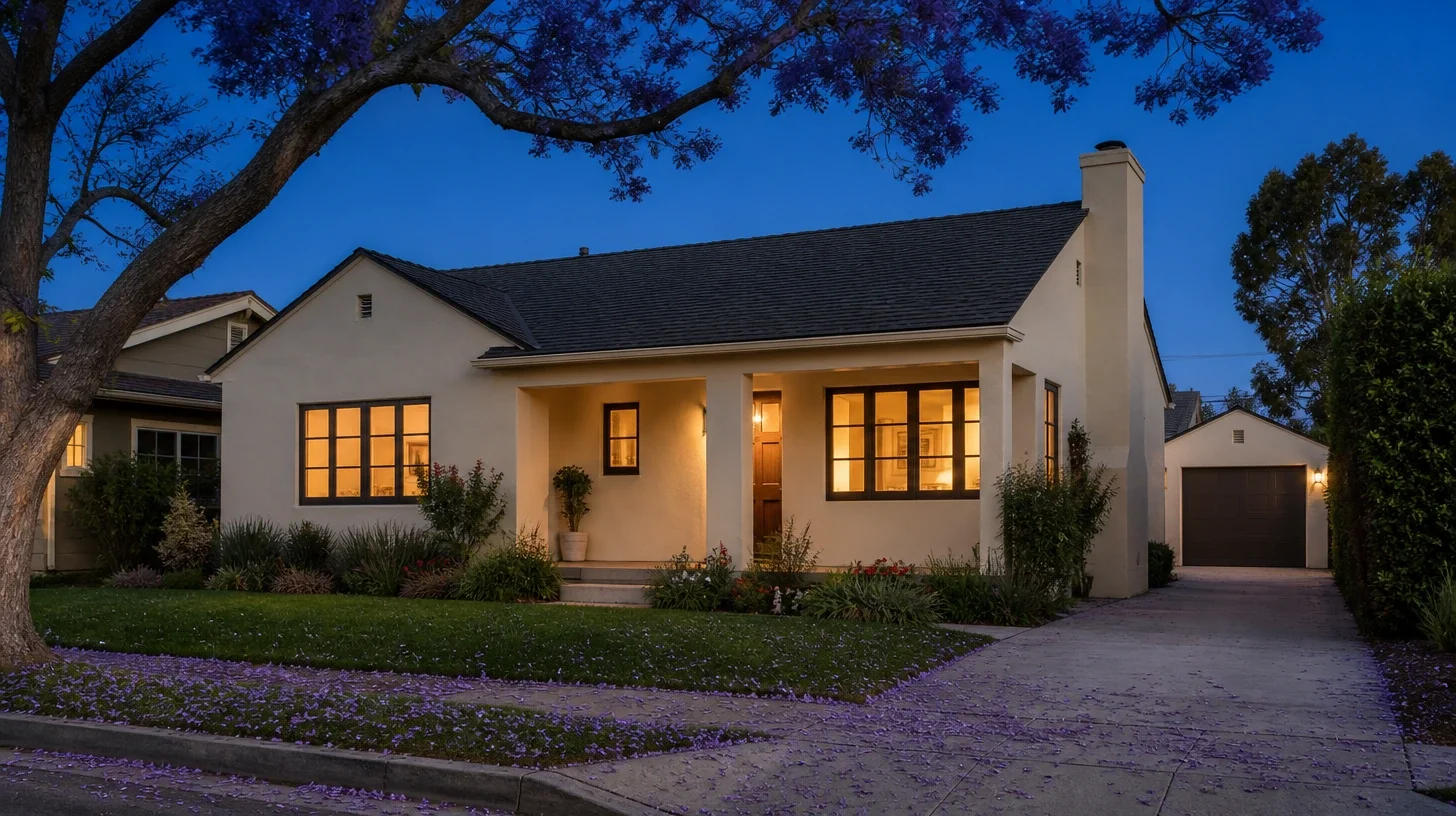
The difficult one is that the property is far older than the date. A house built in 1954 and valued as of a date in 2019 had already had sixty five years of alterations, additions, permits and deferred maintenance by the time that date arrived. What has to be reconstructed is not the market. It is what this particular property was on that particular day: what had been done to it, what condition it was in, and what a buyer would have found.
A concentration of stock from one decade adds a further wrinkle. Roofs, systems and envelopes in a 1970s tranche reach the end of their lives at roughly the same time, so two otherwise similar units can differ sharply at a past date depending on what had been replaced in each by then.
Those figures describe when housing was built. They are not a statement about your property, they are not a forecast, and they say nothing about what anything is worth today.
If you are working out what the process involves before instructing anybody, the trust and estate Success Kit sets out what an appraiser will need.

Three ways this arrives
Where the Evidence for a Past Date Actually Comes From
YOU HAVE JUST BEEN APPOINTED
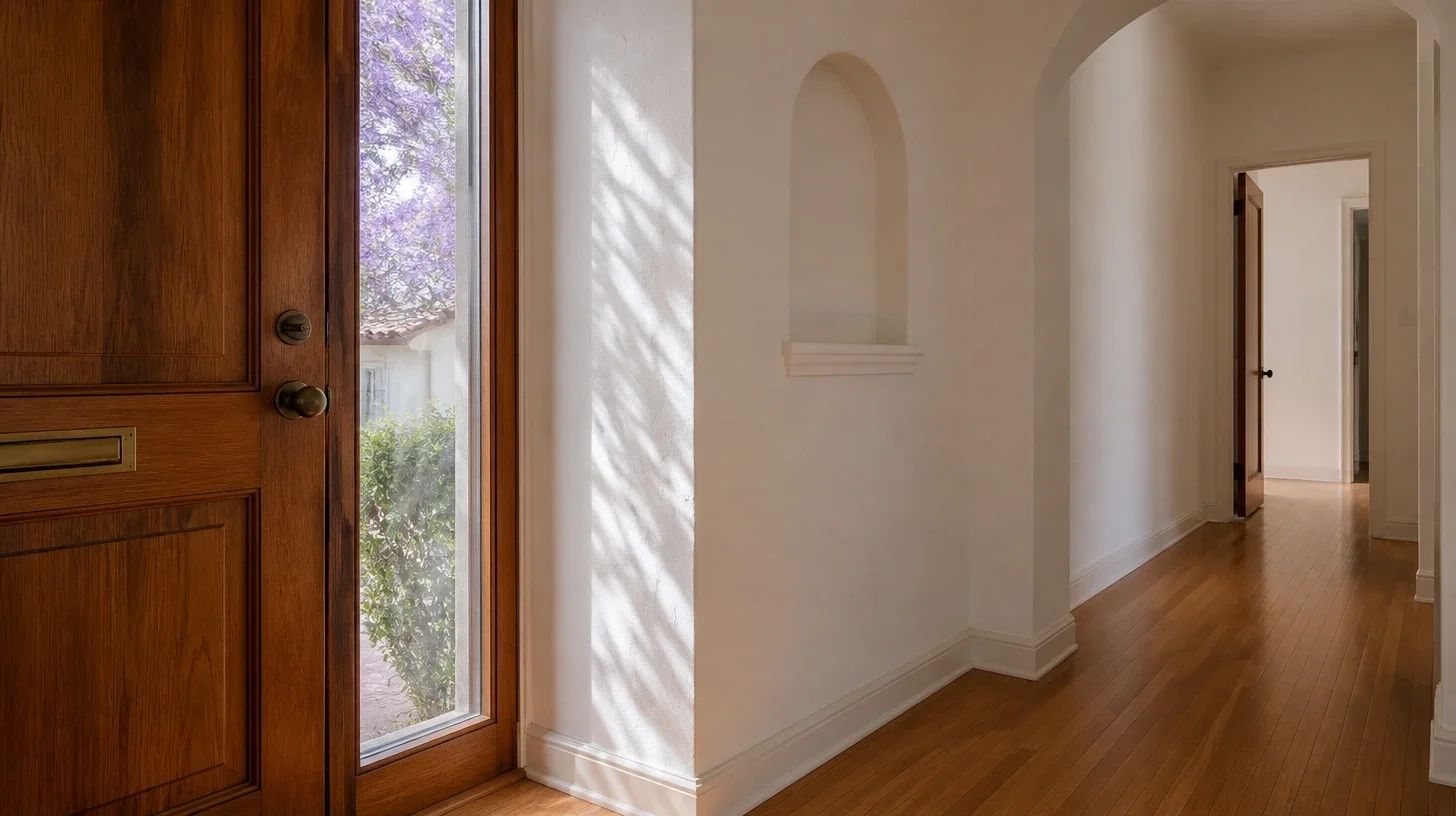
You are the successor trustee and the role is new. You have been told a valuation as of the date of death is needed and you are working out what that involves. The evidence is mostly already there: the sales that happened around that date, the permit history, the tax record and whatever photographs or documents the family holds.

COUNSEL OR YOUR ACCOUNTANT HAS ASKED FOR ONE
You have a date and a professional relying on the result. What they need is a report whose reasoning is visible, because they may have to explain it to somebody who was not there and did not see the property.

THE DATE IS YEARS BEHIND YOU
The death was some time ago and the valuation was never obtained. That happens more often than people expect and it is not a bar. A longer gap changes the method rather than the possibility: more weight on the documentary record, more care about what changed afterwards, and a clearer statement of what could and could not be established.
What the opinion rests on
Written for a Reader Who Comes to It Later
Assume the report will be read by somebody who was not present at the effective date, possibly years afterwards, and who needs to satisfy themselves that the figure was reasoned rather than assumed. That assumption shapes how it is built.
Every comparable is stated with the reason it was selected and the adjustment applied to it. Where the property’s condition at the effective date differs from its condition now, the difference is described and the basis for describing it is named: a permit, a listing photograph, a tax record, an account from someone who was there. Where something could not be established, the report says so rather than filling the gap.
The front of the report fixes three things before any figure appears: the date it answers to, the purpose it was prepared for, and the people entitled to rely on it. Fixing them first is what lets a reader years later know whether the document in front of them is the right one.
Before the valuation is instructed
The Success Kit lists what an appraiser will need for a past effective date, what documents are worth gathering first, and what an engagement letter should state. It does not advise on trust administration, tax elections or distribution.
Why it is done this way
Why the Method Is Written Down
A retrospective opinion is only as good as the reasoning somebody can follow later. Fees are agreed in advance and do not vary with the conclusion. The documentary basis for every statement about past condition is recorded as it is used rather than reconstructed afterwards. Where the evidence runs out, the report marks the limit instead of smoothing over it, because a limit stated plainly is easier to rely on than a confident sentence nobody can check.
How it runs
How a Retrospective Valuation Is Built
One. The purpose and the readers are fixed. An estate valuation is prepared for a defined use and for named people. Both are settled at the outset because they determine how far back the evidence has to reach.
Two. The effective date is confirmed in writing. You, your counsel or your accountant tell us the date the valuation must answer to. We do not select it, and we do not advise on whether an alternate date should be elected.
Three. The engagement is documented. Scope, fee, effective date and instructing party are recorded before work begins.
Four. The record is assembled. Sales around the effective date, permit history, tax records, listing material and whatever documentation the estate holds.
Five. Inspection and reconstruction. What is present now, and what the evidence shows was present then. The two are stated separately.
Six. Delivery. The report goes to the intended users named in step one, with the reasoning visible and the limits marked.
Questions we are actually asked
Culver City Trust and Estate Questions
How do you establish what a property was worth on a date that has passed?
From the record that already exists. Sales that closed around the effective date, the permit history, the tax record, listing material, and whatever documentation the estate holds. The work is assembling that evidence and stating what it supports, rather than starting from today’s value and adjusting backwards.
Who is qualified to do this?
A certified appraiser working to USPAP, which is the standard that governs scope of work, intended use and intended users. What matters more than the credential on its own is whether the report states its reasoning well enough that somebody who was not there can follow it.
Do we actually need one?
We can tell you what an appraisal establishes and not whether your situation requires one. Under the federal basis rules, the value of property acquired from a decedent is generally its fair market value at the date of death, which is why a valuation as of that date is commonly obtained. Whether it is needed in your matter, and what to file, is a question for your attorney or your accountant.
How should a trustee choose an appraiser?
Ask what the report will show its work on. A retrospective valuation is read later by somebody who was not present, so the useful test is whether the reasoning would survive that reading. Ask how the appraiser establishes condition at a past date, and what they do when the evidence runs out.
The death was several years ago. Is it too late?
No. A longer gap changes the method rather than the possibility. More weight falls on the documentary record, more care is needed about what changed afterwards, and the report states more explicitly what could and could not be established. It is common, and it is workable.
The house has changed since then. How do you value what it was?
By separating the two. What is present now is recorded on inspection. What was present at the effective date is established from evidence: permits pulled and closed, listing photographs, tax records, and accounts from people who were there. Where the two differ, the report says which is which and on what basis.
Can the effective date be something other than the date of death?
It can, and the choice is not ours. Federal law lets an executor elect a date six months after death instead, and that election sits with the executor and their advisors. Whichever date they settle on is the date we are instructed to value as of, and the report states it plainly.
Estate questions often turn out to be legal or tax questions wearing an appraisal coat. When yours does, we will name that and point you back to your advisors instead of answering it.
Who reads the figure
Who Relies on the Figure, and for What
The trustee or executor needs a defensible figure and a clear statement of what it does and does not cover, because the duty to obtain it is theirs.
The estate attorney needs the scope, the effective date and the intended users stated unambiguously, since a report relied on outside its stated intended use is one they will have to defend.
The accountant needs a figure whose basis is legible, and the elections and filings built on it remain entirely their work and not ours.
A beneficiary reading later needs to see that the figure was reasoned. That is a legitimate need and the report is written to meet it.
The report names who may rely on it. A person who is not named did not commission it, was not considered when the scope was set, and cannot convert themselves into an intended user by reading it later.
Where we work
Every Address in Culver City, Whatever Its Vintage
Our coverage is the whole of Culver City and every kind of property in it. Given how much of the stock here predates 1980, an appraiser at ease only with recent construction has little to offer a valuation set in the past.

Before the date is fixed
Before the Date Is Fixed
THE RESOURCE HUB
Background on how valuations are built and what separates an opinion that holds from one that does not.
WHAT IS IT WORTH
Working through what actually drives value in a specific property rather than in a market.
THE TRUST AND ESTATE SUCCESS KIT
What an appraiser will need for a past effective date, what documents are worth gathering first, and what an engagement letter should say.
If this is not quite your situation
Related Estate Services
Trust and estate appraisals across Los Angeles
A Culver City probate matter rather than a trust
When You Are Ready
If you have a date and the authority to instruct, we can start. If you are not sure whether the date you have is the right one, that is a question for your counsel, and a short call first costs nothing either way.
Scope, effective date and fee agreed in writing before any work begins.