


Encino Commercial Appraisals for the Building Your Own Practice Works From
Somebody has asked you for a number — a lender, a partner, a buyer. The usual way to value a commercial building starts from what it lets for, and your building does not let for anything, because you are the one in it.
This page explains what an appraisal does when there is no rent to read, why a lease between your own two entities is not the answer, and where the line sits between the property and the practice inside it.
Secure request form. No obligation. Scope and fee confirmed in writing before any work begins.
When the Owner Is the Tenant
There Is No Rent to Read, So One Has to Be Established
An income analysis normally begins by looking at what a building actually lets for. Owner-occupied property removes that starting point, and what replaces it is a question the report has to answer with evidence.
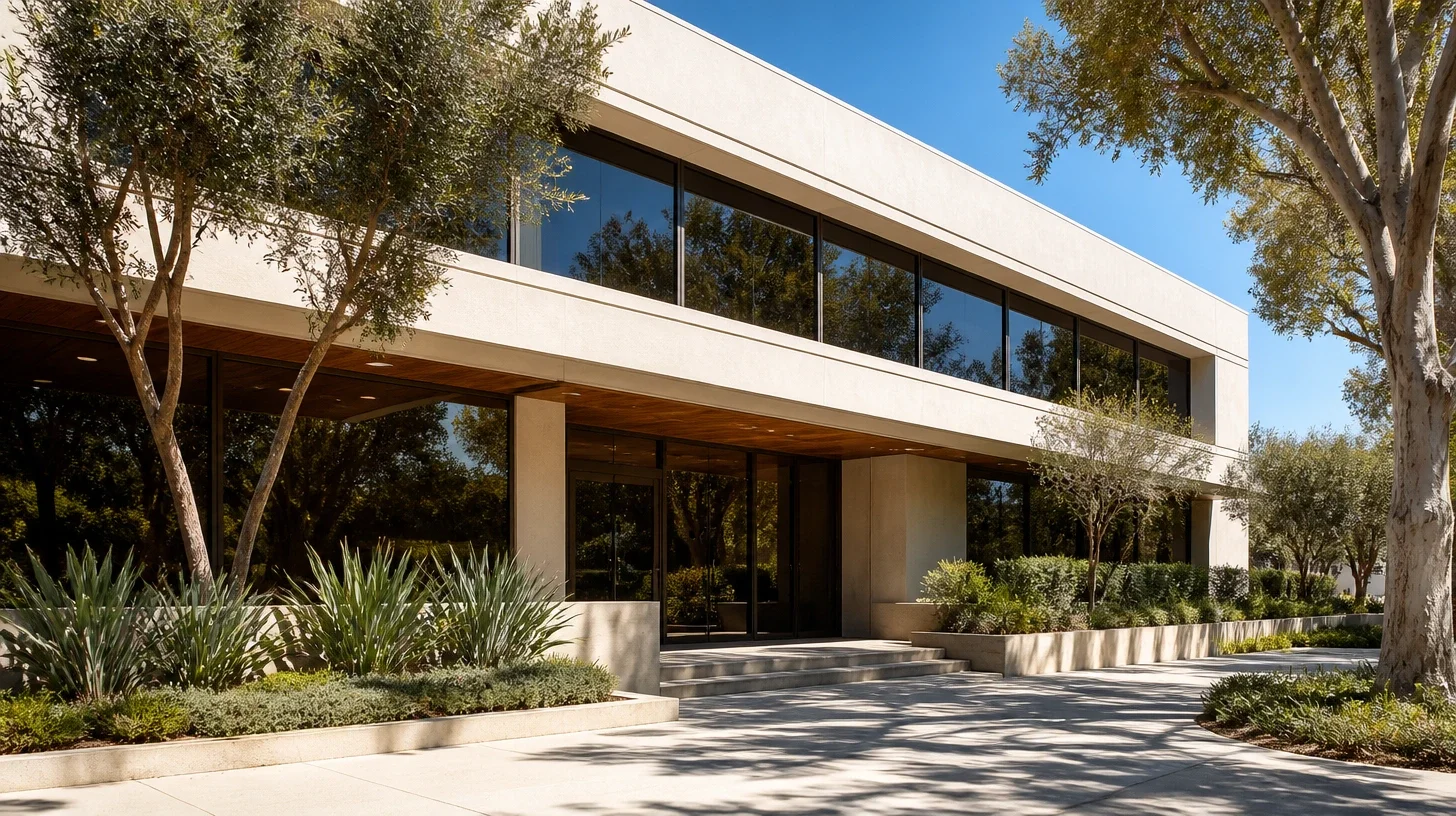
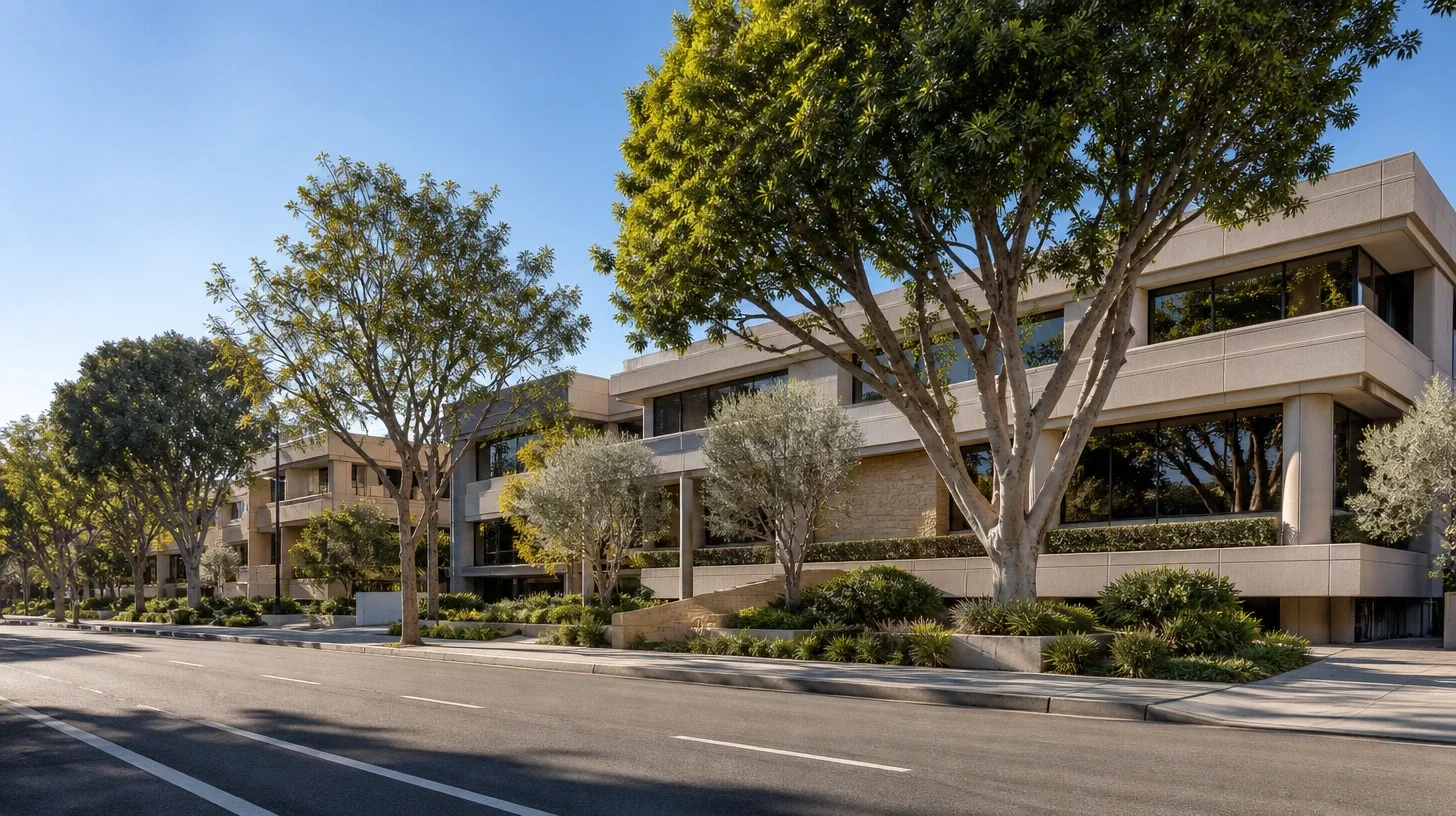
Your building has no lease, and that is normal
Where the owner occupies the premises there is no tenancy to examine, so market rent is not observed — it is established, from lettings of comparable space, and supported in the report like any other conclusion. This is the ordinary path for owner-occupied property rather than a complication.
A lease between your own entities is not the evidence it looks like
Many owners hold the building in one entity and run the practice in another, with a lease between them. Both signatures are effectively yours, the rent was set by one party to itself, and the terms can be revised at will. The document is useful — it tells us how the property is structured — but it does not establish what an unrelated tenant would pay, and it normally has to be tested against that.
The practice is not the property
What your business is worth as a going concern and what the real estate is worth are two different figures, and an appraisal has to be explicit about which one it reports. We report the real property. A number that quietly blends the two is not doing you a service, however flattering it looks.
Where the Question Actually Lands
Three Reasons Owners Call Us About Their Own Building
Nobody is described here. Each of the three below is a moment when the absence of an arm’s-length rent stops being a technicality.
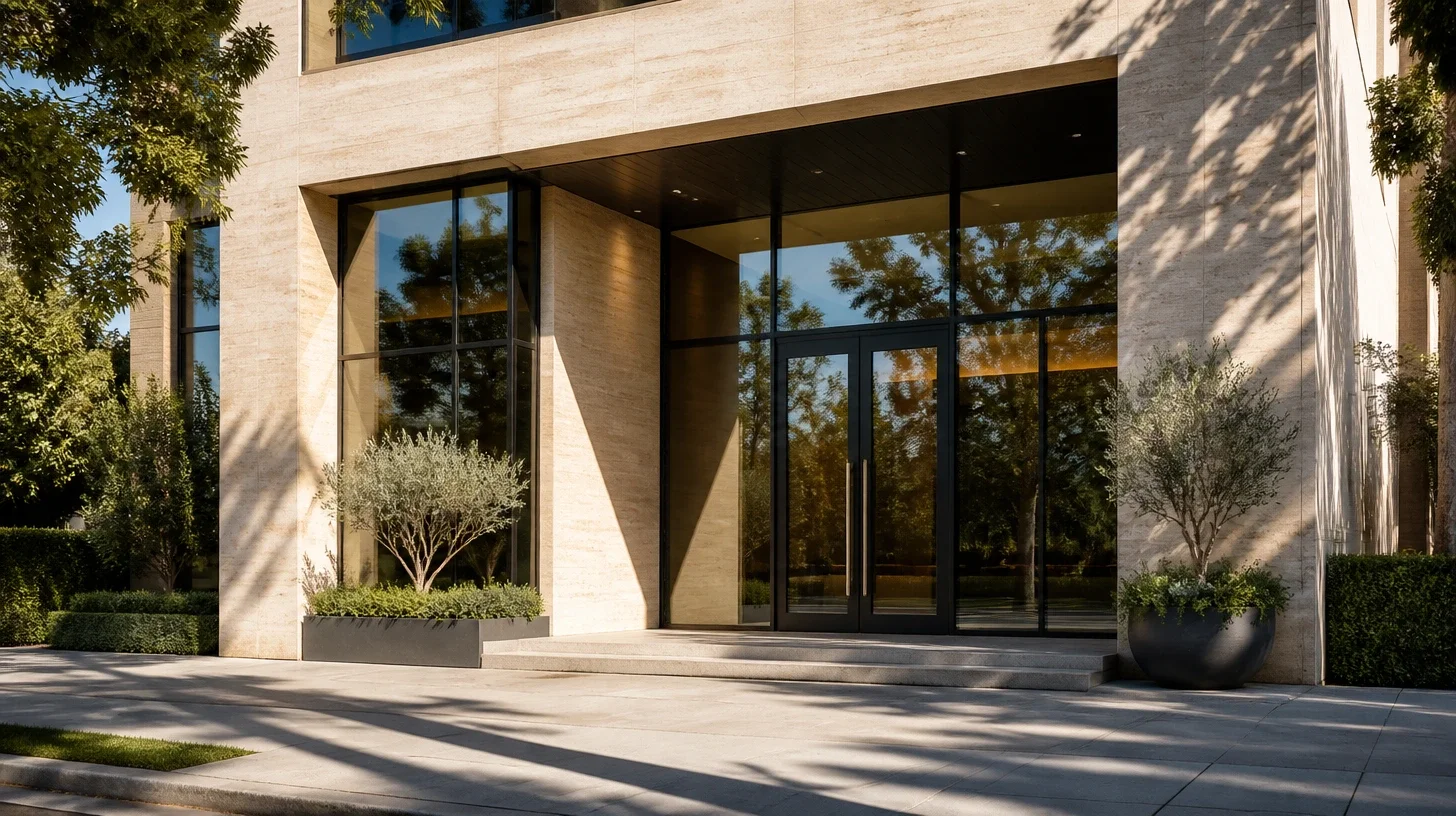
A lender’s program wants the occupancy in the report
Under the SBA 504 program an owner-user is expected to occupy at least fifty-one per cent of an existing building, and the appraisal report is where that occupancy is set out. Those assignments are also expected to develop two of the three standard approaches rather than one. Whether the program fits you is a question for your lender and the CDC; making the report say what the program expects is ours.
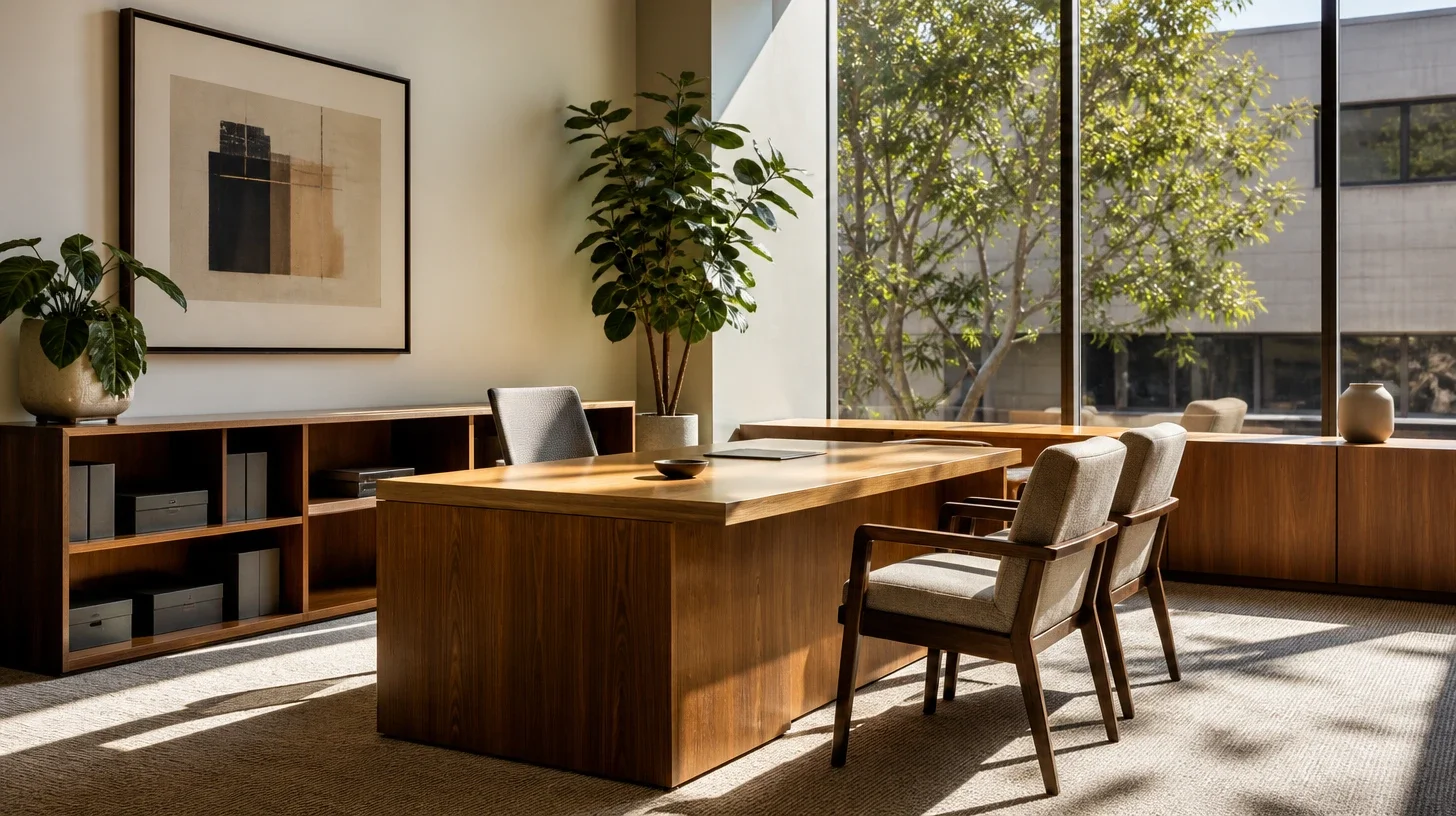
Partners are separating and one of them keeps the building
The practice may continue in the premises under new ownership, which means the rent it will pay and the value of the building are suddenly the same conversation. Both sides are entitled to see how the rent was arrived at, and a figure neither can trace tends not to settle anything.
An owner wants to know whether their own rent is anywhere near the market
Some owners have been paying themselves the same figure for a decade, and some set it for reasons that had nothing to do with property. Testing it against what the space would actually command is a small piece of work that changes what everything downstream rests on.
Independence
What Makes a Constructed Rent Defensible
A rent nobody is paying has to be shown, not asserted. That is the part of this assignment most worth getting right.
Our price is settled before any figure exists
It is agreed when the assignment is taken on and it does not move with the conclusion. No version of this work leaves us better off for a higher number or a lower one, and that is worth knowing before a lender asks who paid us.
What is being valued is stated on the face of the report
The real property, at a named effective date, for named users. The business occupying it is outside the scope and is said to be outside the scope, so nobody reading later has to guess what the figure covers.
The rent conclusion carries its evidence
Which lettings were relied on, how they were adjusted for size, floor, fit- out and condition, and why the set was chosen. A reviewer should be able to follow the rent to its sources without asking us for anything further.
The standard the work answers to
A rent that had to be constructed rather than observed is precisely the kind of conclusion a published standard exists for. This work answers to the Uniform Standards of Professional Appraisal Practice, and that is what makes the difference between a supported opinion and a preference.
The WCE Difference
We Value the Building, Not the Business in It
We do not value practices, goodwill or businesses, and we will not fold them into a property figure to make it look better. If what you actually need is a business valuation, that is a different discipline and a different professional, and we would rather say so at the first conversation than at the invoice. Whether a particular loan program fits you is likewise a question for your lender and the CDC rather than for us.
The Process
How a Rent Nobody Pays Gets Established
The sequence is ordinary. What makes it hold is that the rent conclusion is built from evidence before anything is capitalised or compared.
We settle the effective date, the intended use and the intended users
We establish who occupies what, and on what basis
We inspect the premises and record the fit-out that affects lettability
We assemble lettings of genuinely comparable space
We conclude a market rent and show the adjustments behind it
We develop and reconcile more than one approach, and say why
The best document you own may be a lease to somebody else
If any part of the building is let to an unrelated tenant, that lease is real market evidence and it is worth more to this analysis than anything else in your file. Send it early, whatever it says, along with any amendments. A partial letting at arm’s length anchors the whole rent conclusion.
Questions
What Owner-Occupiers Ask Before They Instruct
There is no lease at all. Can the building still be appraised?
Yes, and it is the ordinary situation for an owner-occupied property. Market rent is established from lettings of comparable space rather than read off a tenancy, and the report shows the evidence it rests on.
We have a lease between our own two companies. Can you use it?
We will read it and it tells us how the property is structured, but it is not arm’s length: the same people are on both sides and the rent can be changed at will. It is tested against the market rather than adopted.
Does the appraisal include the value of my practice?
No. We value the real property. A business or a practice is a separate discipline with its own professionals, and blending the two into one figure would make the report less useful, not more.
My lender mentioned an occupancy requirement. What is that?
Under the SBA 504 program an owner-user is expected to occupy at least fifty-one per cent of an existing building, and the report is where that occupancy is stated. Whether you qualify is between you, your lender and the CDC — what we can do is make sure the report addresses it properly.
How many approaches will the report use?
More than one wherever the evidence supports it, with the reconciliation explained. Some lender programs expect two of the three as a minimum, so tell us at the outset if a program is involved.
We have specialised fit-out. Does that add value?
It depends entirely on what the next occupier of that space would do with it. Fit-out that a wide range of tenants can use tends to be recognised; fit-out built for one specific operation often is not, at least not at cost. The report explains the view it took and why.
Part of the building is let to a real tenant. Does that help?
Considerably. An arm’s-length letting in your own building is the strongest single piece of rent evidence available, and it usually improves the reliability of the whole conclusion. Send that lease first.
Whose name has to be on the report?
Every party who will rely on it, agreed at instruction and named inside the document. This matters more in commercial work than elsewhere: a lender or a partner who is not named generally will not accept the report at all, and adding them afterwards is not a formality.
Can you advise on whether to legalise, rezone or change the use?
No. Those are questions for the planning authority and your own advisors. We describe what is there, value it, and say what our conclusion assumed.
Which parts of Encino do you take assignments in?
The whole of it, with most of the commercial work falling along the Ventura corridor, and the surrounding valley communities as well.
What the Work Settles
Five Things This Assignment Actually Establishes
What the space would let for, if somebody else were in it
A market rent conclusion supported by lettings of comparable space, which is the figure an owner-occupied income analysis cannot begin without.
Whether a related-party rent resembles the market
Your internal lease measured against what an unrelated tenant would pay, stated plainly in either direction.
Exactly what the figure covers
The real property, at a named date, for named users — with the business occupying the premises identified as outside the scope.
What a lender’s program needs to see stated
Occupancy, scope and the approaches developed, set out in the form the program expects rather than left for somebody to infer.
How the approaches reconcile
Where more than one line of evidence is developed, the report says how they were weighed and which carried the conclusion.
Service Area
A Corridor Where the Owner Is Usually the Occupier
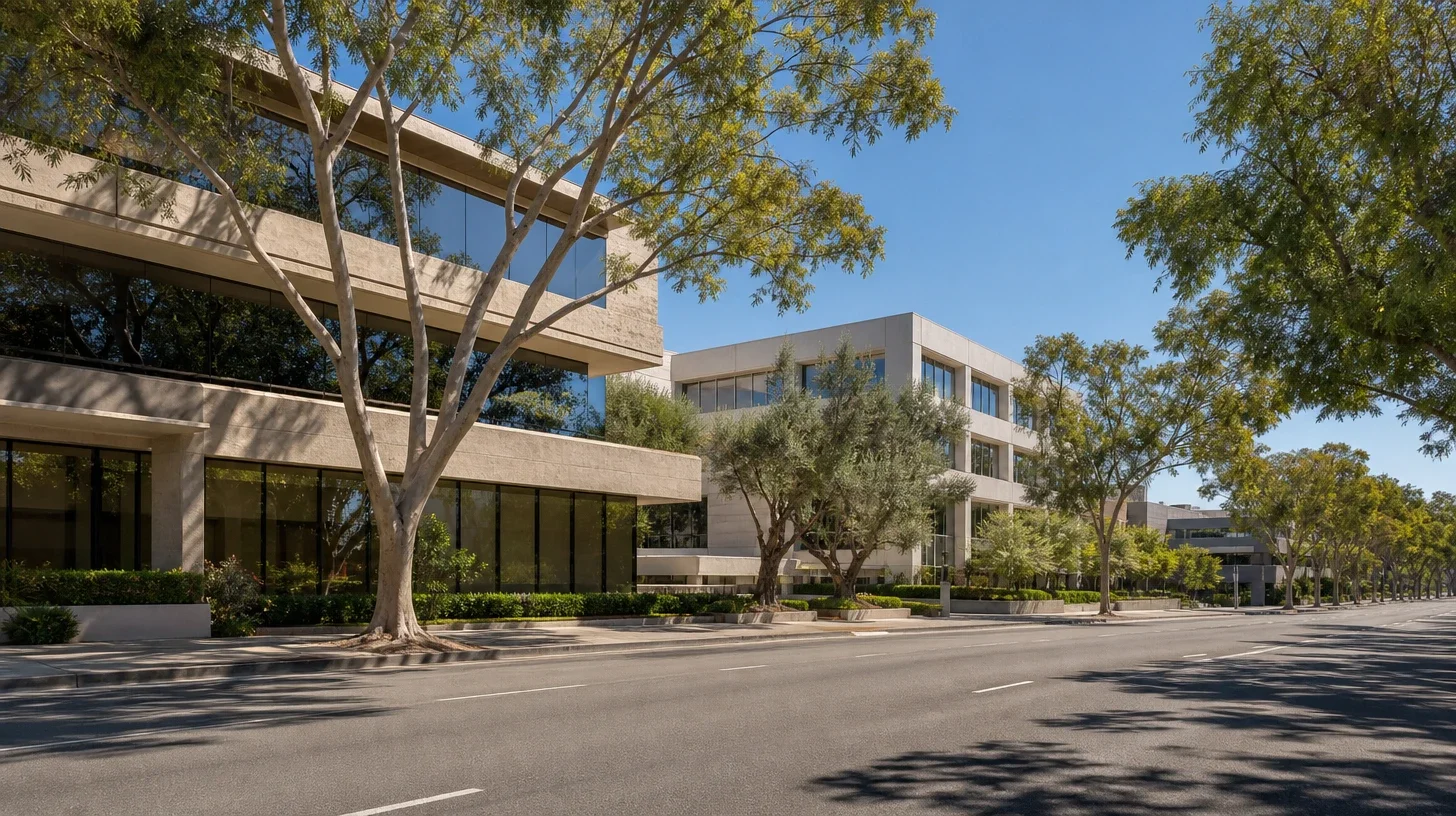
The commercial spine of Encino runs along Ventura Boulevard, and the stock on it is overwhelmingly professional and medical: low-rise and mid-rise office, several buildings given over substantially to medical and dental use, with Encino Hospital Medical Center adjacent to the corridor.
Buildings here are frequently bought by the practices that occupy them, and they trade as owner-user property. That is what makes the absence of an arm’s-length rent the ordinary condition in this market rather than an unusual one.
Our coverage runs across Encino and the valley communities around it. The map places the corridor rather than fencing it.
Resources
Worth Having Open Before the First Call
The Resource Hub
Background for the attorneys, accountants and lenders who commission valuations as one moving part of something larger.
What’s It Worth
A plain account of how an opinion of value is constructed, for readers who want the method before they want a quote.
The Preparation Guide
Written for this page: what to gather for an owner-occupied building, and what to do about each item you do not have.
Coverage
Other Cities We Cover
Cities
Request Your Encino Commercial Appraisal
Tell us the property, who occupies it and in what share, and what the valuation is for. If there is a lease to an unrelated tenant anywhere in the building, send that too. Scope, effective date and fee are put in writing and agreed before any work begins.
Secure request form. No obligation. Scope and fee confirmed in writing before any work begins.