


Encino Residential Appraisals for Hillside, Estate and Valley-Floor Homes
An independent opinion of value for a property in a neighbourhood that contains several different property markets under a single name.
We appraise Encino homes for sale preparation, refinancing, estates, family settlements and second opinions, and we tell you what the evidence supports.
Secure request form. No obligation. Scope and fee confirmed in writing before any work begins.
Where the Number Comes From
One Place Name, Two Property Markets
Most valuations begin with a search for nearby sales. In Encino that instinct can quietly select the wrong evidence, because the properties either side of Ventura Boulevard do not compete with one another for the same buyer.
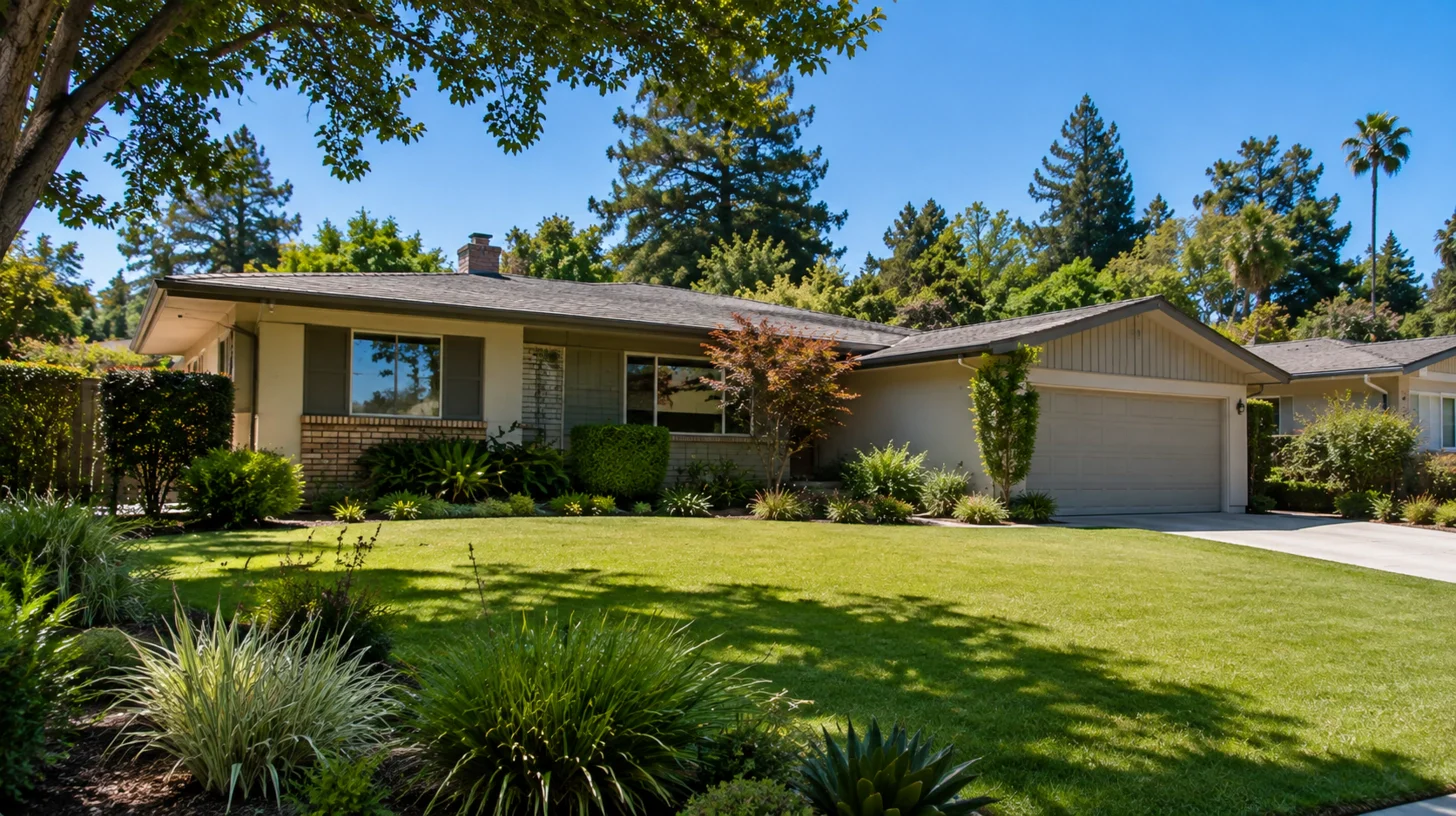
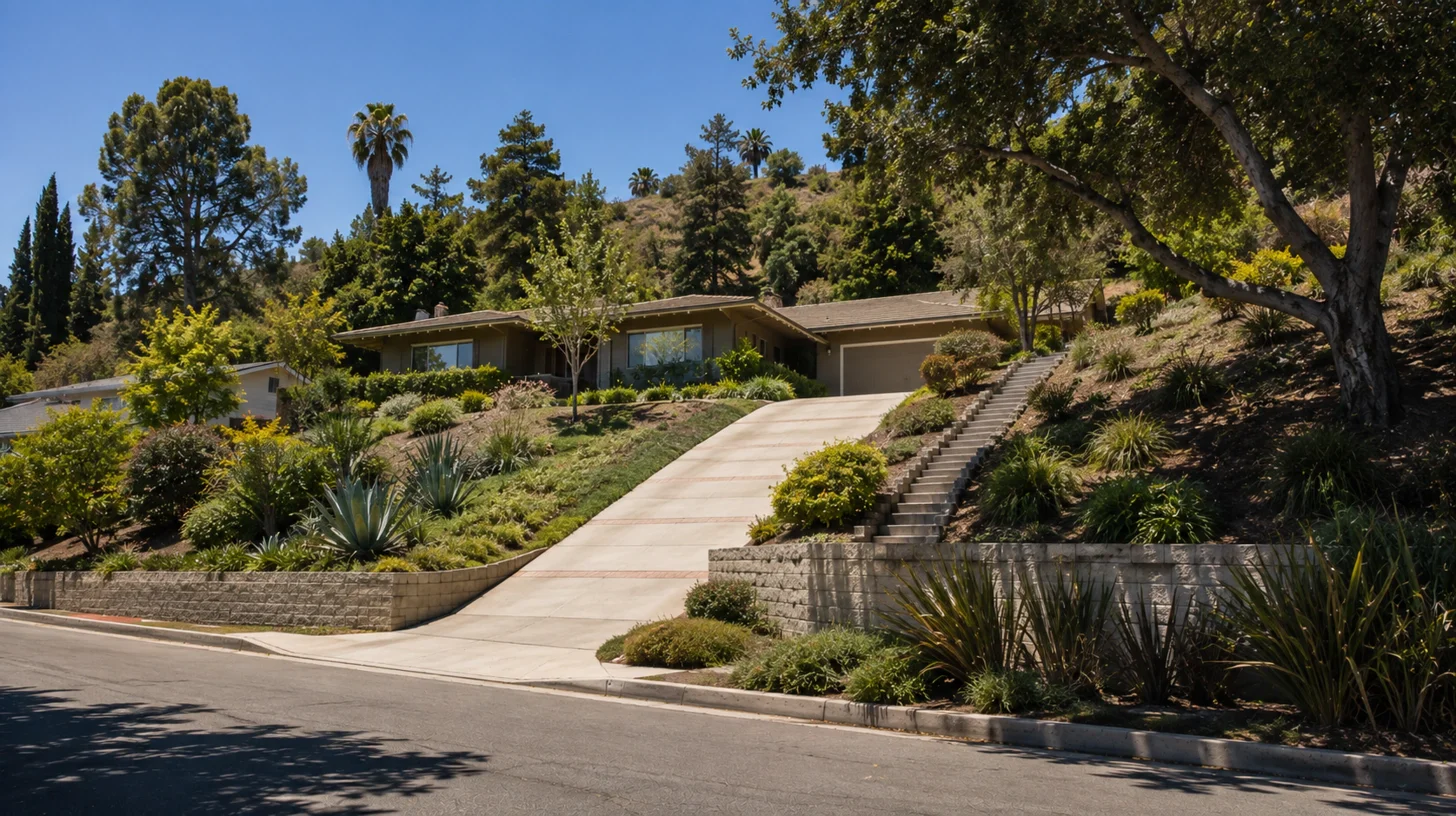
A comparable is a substitute, not a neighbour
A comparable sale earns its place because a buyer would have seriously considered it instead of the subject property. That is a judgment about substitutability, and distance is only one small input to it. Two homes a few streets apart can sit in different price strata, different decades of construction and different landforms.
What the evidence for Encino actually shows
Measured on one consistent index in June 2026, the two Encino postal areas stand far apart. The area south of Ventura Boulevard indexes at about 2.25 million dollars and the area north of it at about 966 thousand, a ratio of roughly 2.33 to one. These are index values describing relative standing between the two areas, not median sale prices. Both moved less than half a percent over the preceding year, so the gap is a standing feature of the neighbourhood rather than a passing market condition.
Why an automated estimate struggles here
An automated estimate answers a statistical question about a class of properties. An appraisal answers a specific question about one. The distance between those two answers widens wherever values inside an area are widely dispersed and genuinely similar sales are scarce, which is the condition Encino presents.
Situations We See
Where the Comparable Set Does the Work
These are representative situations rather than client accounts. Each one turns on a decision about which sales genuinely belong in the analysis.
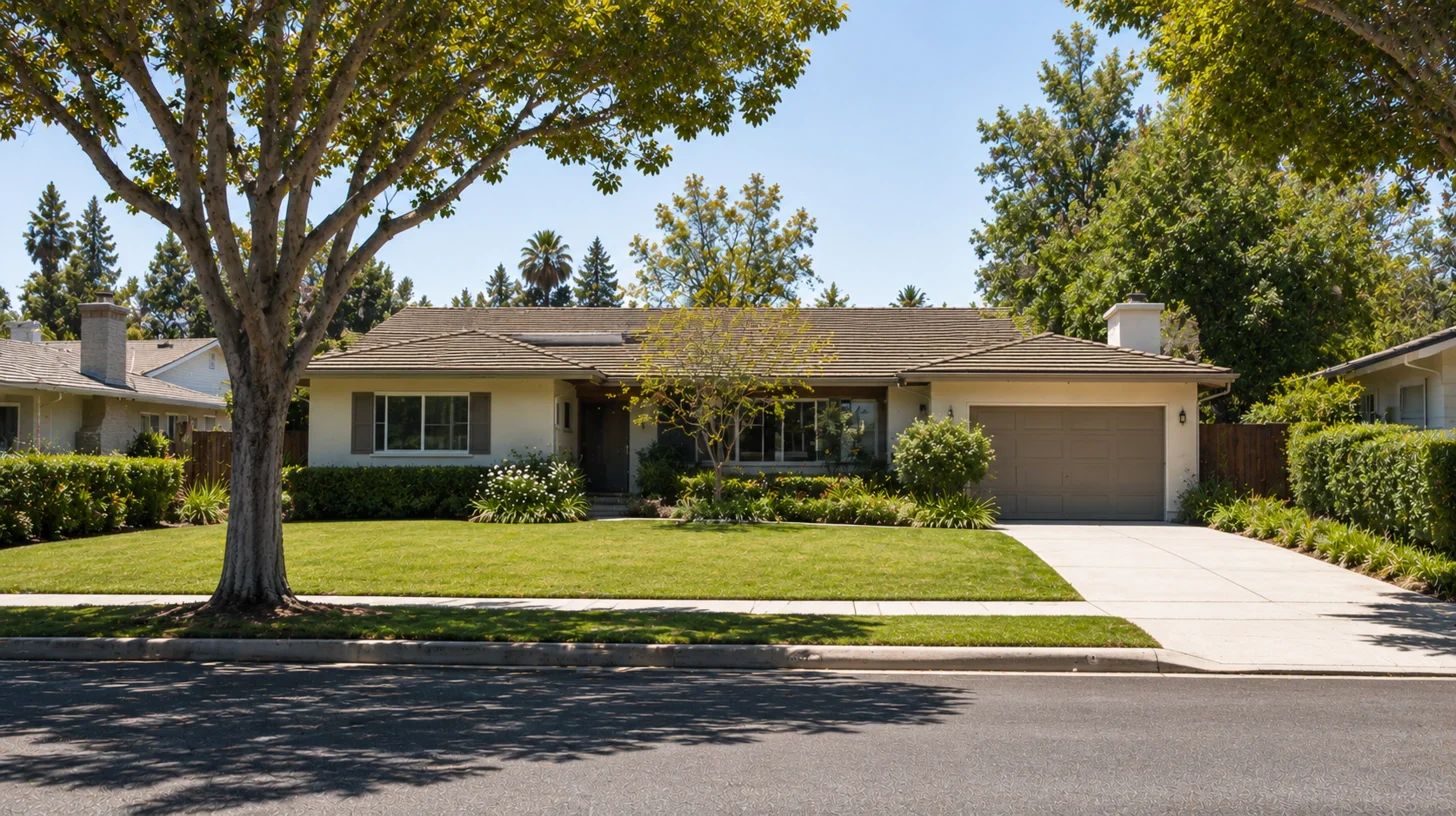
A level parcel with neighbours at the same grade
On a flat street the comparison looks straightforward, and it usually is, provided the sales chosen are also flat. Pulling in a sale from higher ground imports a different site condition and a different buyer, and the adjustment needed to correct for it is larger than most people expect.
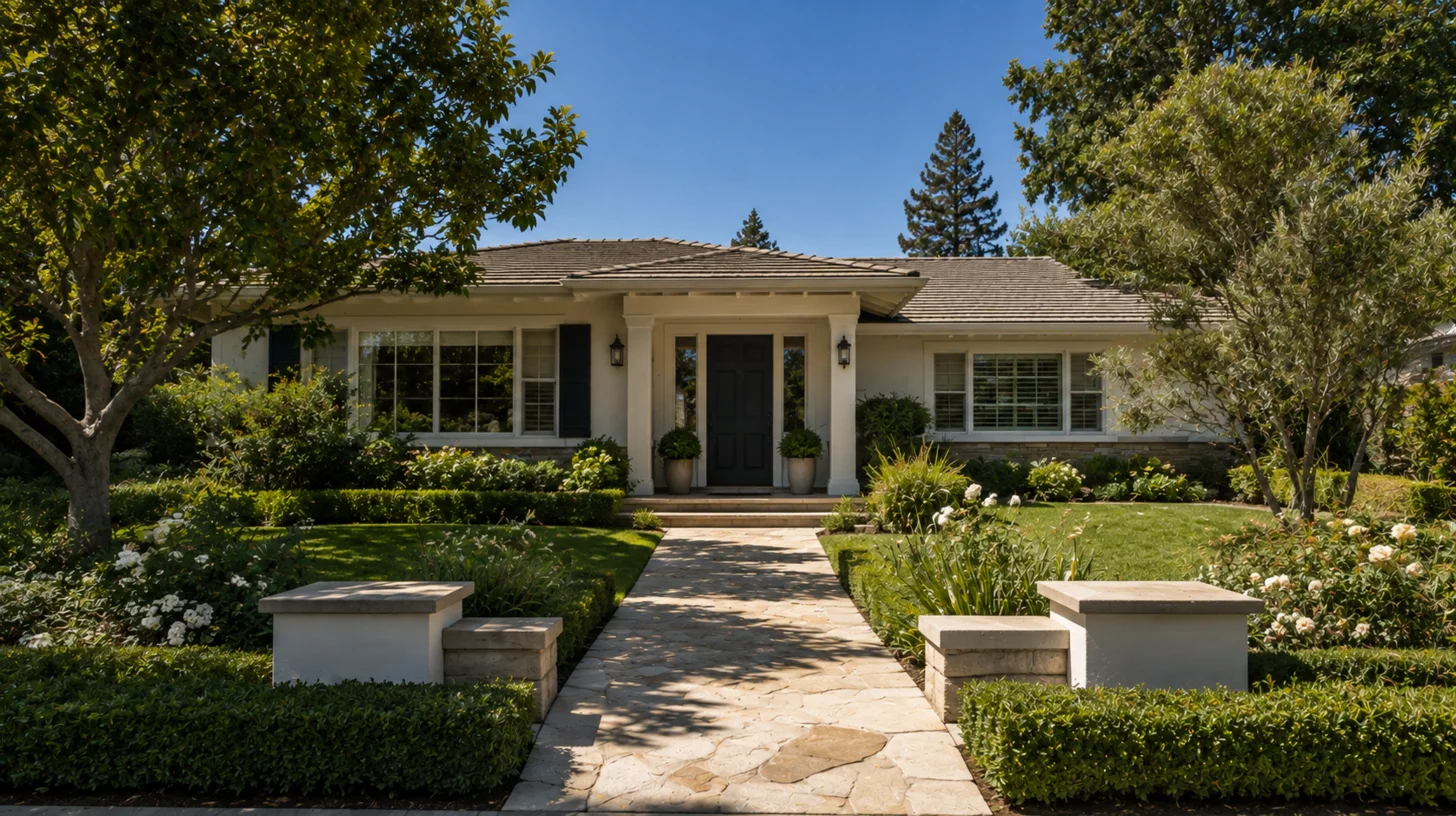
A home whose improvements outran its records
Additions, garage conversions and accessory units change what a property is without always changing what the records say it is. The legal status of the work and its practical utility both bear on the analysis, and neither can be settled from a listing description.
A property no recent sale resembles
Sometimes the honest answer is that the nearest sales are poor substitutes. The work then moves outward and becomes explicit: which sales were considered, which were set aside, and what supports the adjustments between them.
Independence
What Makes the Opinion Defensible
An appraisal is worth having only if it holds up when somebody disagrees with it. That depends on how it was produced, not on how confidently it is stated.
No stake in where the value lands
Our fee does not move with the conclusion, and we gain nothing from a higher or a lower figure. What you are buying is the analysis, and its result is not a matter for negotiation.
A stated purpose and effective date
Every report names why it exists and the date its value opinion applies to. A valuation for a sale and a valuation for an estate are different questions, even for the same house in the same week.
Evidence that can be examined
The sales relied on, the adjustments applied and the reasoning behind them are set out so that a reader can follow them and, if they wish, dispute them.
Prepared under USPAP
Work is carried out in conformance with the Uniform Standards of Professional Appraisal Practice, which governs the conduct and reporting of the assignment.
The WCE Difference
We Publish the Evidence, Not Only the Conclusion
Most appraisal pages ask you to trust a number of years in business. That is not something a homeowner can check. We would rather show the evidence we work from and the reasoning it supports, and let you judge whether it is sound before you engage anyone at all.
The Process
How an Encino Assignment Runs
The sequence is the same whatever the purpose. What changes is the question being answered and the date it is answered for.
We agree the purpose and the effective date
We collect what you already hold about the property
We inspect the property and its site
We research the market and select comparable sales
We analyse, adjust and reconcile to a single opinion
We deliver the written report
Ready to make the inspection count
Permits, plans and prior reports change what the analysis can rely on. Gathering them before the visit is the single most useful thing an owner can do.
Questions
Questions Encino Homeowners Ask
Is a nearby sale automatically a comparable?
No. Proximity is a starting point, not a qualification. A sale belongs in the analysis when a buyer would have treated it as a genuine alternative to your property, which depends on site, grade, condition and improvements as much as on the street it sits on.
How is a hillside property handled differently from a flat one?
Grade affects usable site area, access, the buildable envelope and the cost of improvements, so it affects which sales are true substitutes. A sloped site is not a flat site with a view added, and the comparable set has to reflect that.
What is the difference between an appraisal and an automated estimate?
An automated estimate answers a statistical question about properties broadly like yours. An appraisal answers a specific question about yours, with named evidence and stated reasoning, for a defined purpose and date.
How is an appraisal different from an agent’s market analysis?
A comparative market analysis is prepared to support a listing decision, often by someone with an interest in the transaction. An appraisal is an independent opinion prepared to a professional standard and intended to be relied upon.
Do you appraise condominiums and townhomes?
Yes. They are analysed against their own market rather than against single-family stock, because the buyer, the ownership structure and the relevant sales all differ.
How is an accessory dwelling unit treated?
Its contribution is analysed from market evidence, comparable sales, its legal status and its practical utility. There is no fixed percentage or formula, and a unit that cannot be permitted is not treated as though it can.
Which documents change what the analysis can rely on?
Permits and plans for work already carried out matter most here, because the legal status of an addition or a conversion bears directly on how it is treated. Prior appraisals or surveys help, as does anything about the site a visitor would not see. Missing paperwork does not stop the work; it narrows the evidence the conclusion can rest on.
Can the report be used by my attorney or accountant?
Tell us the intended use and the intended users before we begin. Those are part of the assignment definition and they shape the scope of work and the report itself.
What if I disagree with the conclusion?
Ask. The evidence and the adjustments are set out so they can be examined, and a factual error in the inputs is worth raising. A conclusion is not changed because a party would prefer a different one.
Do you cover the whole of Encino?
Yes, on both sides of Ventura Boulevard, and the difference between them is part of why the analysis is done property by property.
When You Need One
Why Encino Homeowners Commission an Appraisal
Before setting a price
An independent view of value before a property is listed, particularly where nearby sales are poor substitutes and the listing evidence is thin.
A private or family sale with no agent involved
When there is no listing process to test the price, the number has to be supportable on its own evidence.
Refinancing or a mortgage insurance review
A current opinion of value for a lender-driven decision, prepared to a professional standard.
A second opinion on a figure already received
An independent review where a valuation has been produced by someone with an interest in the outcome, or where the conclusion is not explained.
Records that no longer match the property
Where additions, conversions or accessory units have changed the property and the paperwork has not caught up.

Service Area
The Ground Under an Encino Valuation
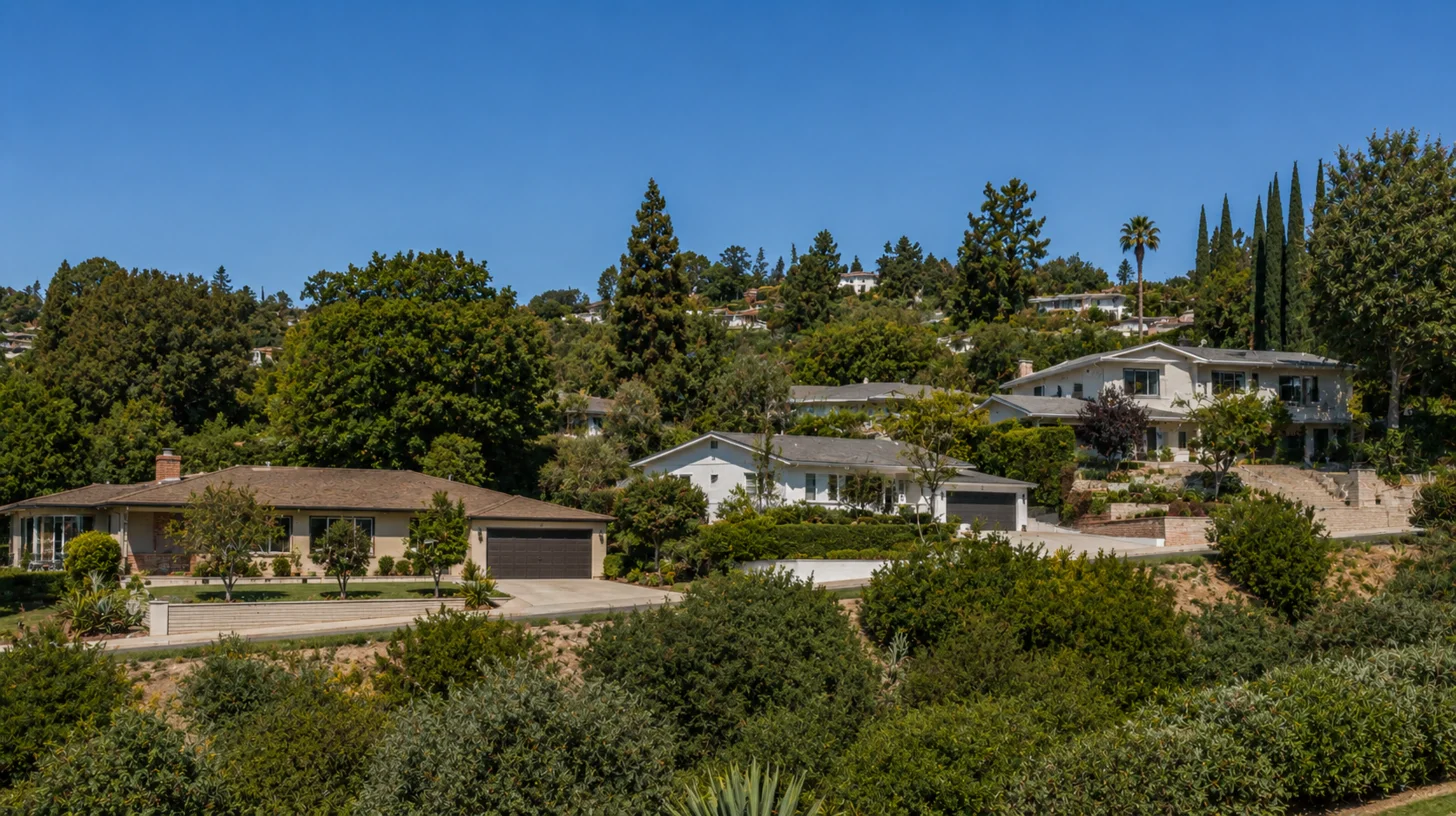
Encino covers a valley floor and a hillside. County contour data records roughly one hundred feet of elevation range on the north side of Ventura Boulevard and roughly twelve hundred feet on the south side, with far denser contour lines across the southern slopes.
That is not scenery. Grade governs how much of a site can be used, how a property is reached, what can be built and what improvements cost, and all of those feed into whether one property is a genuine substitute for another.
We cover Encino on both sides of the boulevard. The map confirms the area we work in and is not a boundary of service.
Resources
Useful Before You Commission Anyone
The Resource Hub
Guidance written for attorneys, fiduciaries and paralegals who commission valuations as part of a wider matter.
What’s It Worth
A plain explanation of how a property valuation is arrived at, for readers who want the reasoning before they want a quote.
The Preparation Guide
What to gather before an inspection, and why each item changes what the analysis can rely on.
Coverage
Other Cities We Cover
Cities
Request Your Encino Residential Appraisal
Tell us the property and the reason you need the valuation, and we will confirm the scope and the fee in writing before any work begins.
Secure request form. No obligation. Scope and fee confirmed in writing before any work begins.