


Independent real-property valuation for divorce decisions
Santa Monica Divorce Appraisals Built Around the Assignment Facts
Clarify the value question before a buyout, sale, settlement discussion, mediation, or trial preparation. Start with the property, intended use, effective date, ownership interest, and communication plan.
Current or retrospective
Define which market the appraisal must measure
A current appraisal addresses value as of today or another recent date. A retrospective appraisal reconstructs value as of an earlier date. In a divorce matter, the date of separation, the date near trial, or another date discussed by the parties and counsel may matter for different reasons.
California Family Code section 2552 provides a general valuation-timing rule and permits a different date in some circumstances. The appraiser does not choose the legal date for the parties. The assignment should identify the effective date, intended use, intended users, and property interest before analysis begins.
That distinction matters when renovations, deferred maintenance, occupancy, rent status, or market conditions changed between the earlier date and today.

Decisions the valuation can support
One value question, several possible next steps
Proposed property buyout
An independent opinion can give the parties a defined value reference before discussing whether one owner will retain the property.
Sale and proceeds planning
A current appraisal can inform discussions when the parties are considering a sale, while the listing strategy remains a separate decision.
Settlement or mediation
A clearly scoped report can provide a common set of property facts and market evidence for counsel, parties, or a mediator to evaluate.
Trial preparation
When litigation support is requested, the assignment can address reporting needs, authorized users, communication protocol, and possible testimony without promising an outcome.
Evidence before conclusions
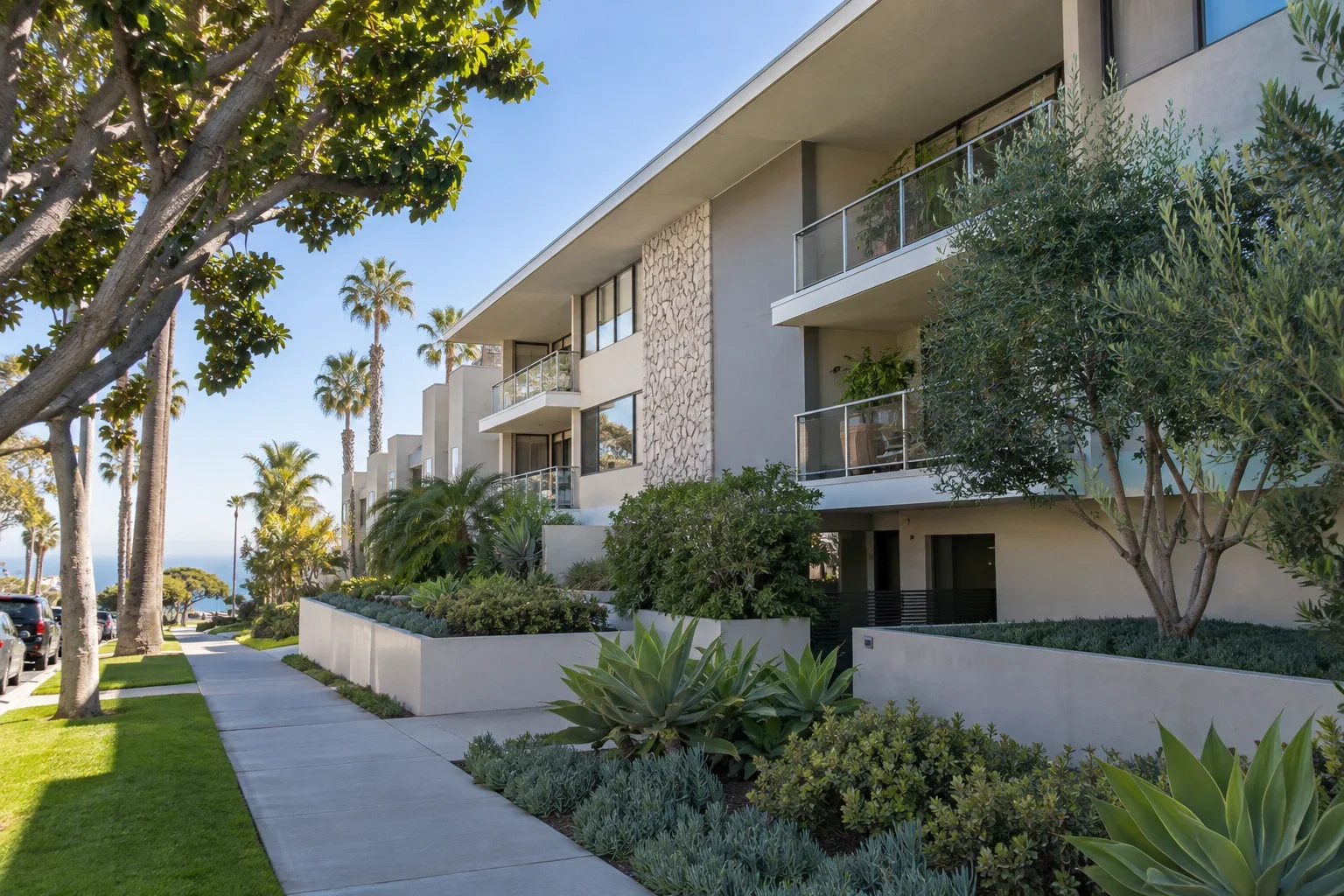
Neutral analysis starts with the subject property
The appraiser researches the property rights, relevant physical characteristics, market conditions, and comparable evidence for the stated effective date. Available deeds, assessor information, permits, plans, HOA documents, leases, rent-control records, listings, photographs, repair records, and transaction history may all affect the scope.
The report should explain the evidence relied upon, significant assumptions, reconciliation, and material limitations. It does not decide ownership, reimbursement claims, characterization of property, or the legal division of assets. Those questions belong with the parties and their legal advisers.
Meet the appraisal consortium
Named appraisers with published qualifications
West Coast Evaluation brings together experienced appraisal professionals. The responsible appraiser and exact assignment scope are confirmed during intake.
W. Christian Abad
Certified Residential Appraiser · Expert Witness · Complex Valuation Specialist
More than 20 years of published appraisal experience, including divorce, complex litigation, probate, conservatorship, and expert-witness assignments.
James K. Moore
Certified Real Estate Appraiser · FHA-Approved Appraiser
Southern California appraisal experience since 2005 across single-family homes, condominiums, two-to-four-unit properties, commercial assignments, and estate valuation.
A communication path that fits the assignment
Set the ground rules before appraisal work begins
Some parties jointly retain one appraiser. In other matters, each side retains a separate expert, or counsel directs all communication. The correct arrangement depends on the matter and should be identified before confidential information or assignment instructions are exchanged.
Joint engagement
Define who may give instructions, receive the report, ask questions, and authorize changes to scope.
Separate experts
Each appraiser develops an independent opinion under the terms of the individual engagement.
Counsel-directed contact
Route requests and delivery through the authorized attorney or representative when required.
One neutral standard
The appraiser analyzes market evidence independently rather than advocating for either party or a target value.

The appraisal process
From assignment definition to written opinion
Confirm the question
Identify the property, effective date, intended use, intended users, interest appraised, and communication protocol.
Collect available records
Review ownership, property history, plans, permits, leases, HOA material, photographs, and known changes.
Inspect and verify
Observe the property when appropriate and reconcile physical facts with documentary sources.
Research the market
Analyze relevant sales, listings, rental evidence, and market conditions for the effective date.
Reconcile the evidence
Explain the methods, adjustments, assumptions, limitations, and reasoning supporting the opinion.
Deliver and clarify
Provide the report to authorized users and address permitted questions while preserving independence.
Santa Monica records
Local rules and property history can change the scope
Santa Monica assignments may require more than a standard assessor record. City property and survey information can help identify permits, parcel information, zoning, and other public records. For rental property, the Rent Control Board’s records may affect how tenancy, registration, or restrictions are investigated.
Condominium and planned-community assignments may also require HOA budgets, reserve information, special-assessment records, governing documents, and unit-specific improvements. Each source must be tied to the subject property; citywide statistics and neighborhood labels do not replace property-specific analysis.

Prepare efficiently
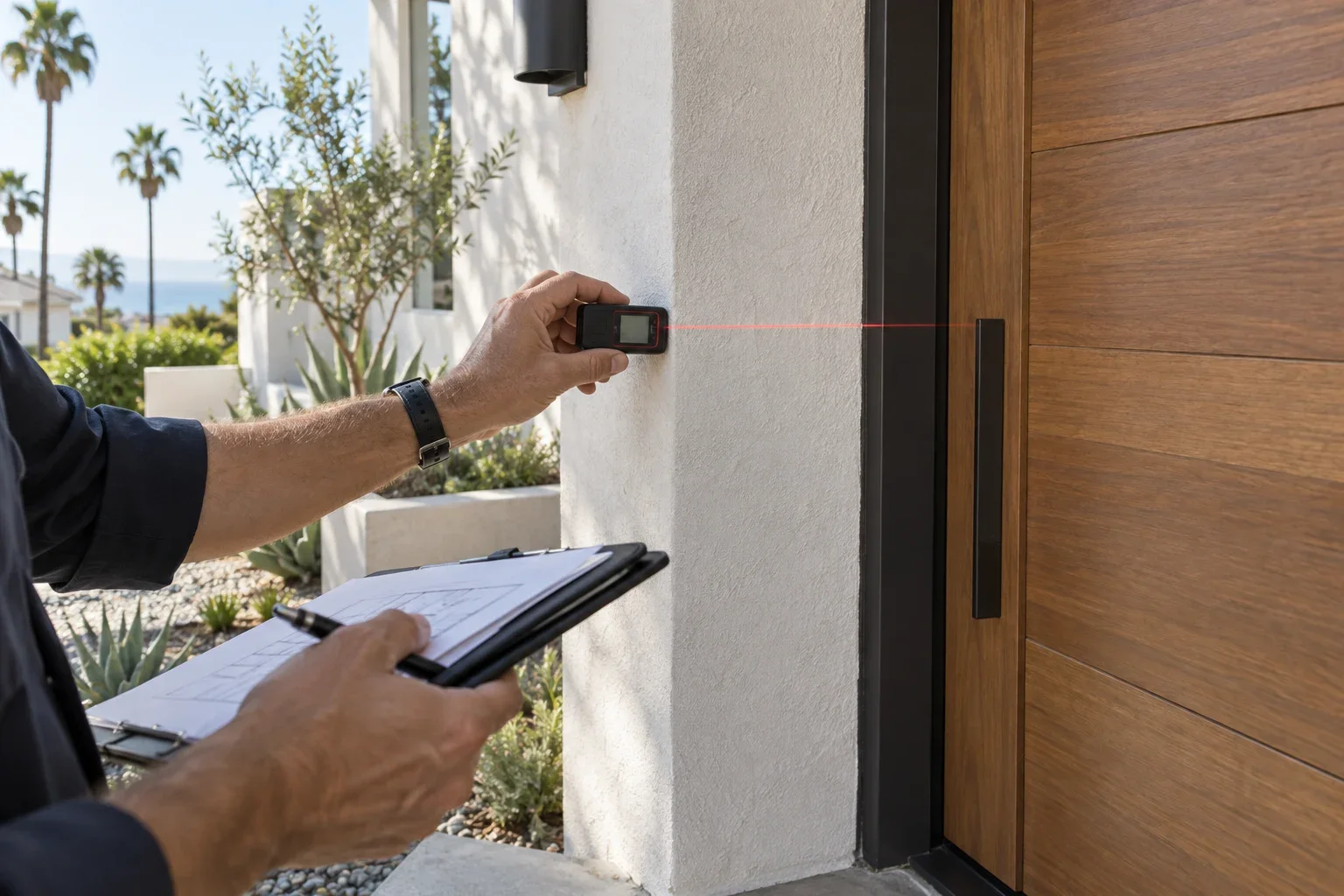
Bring the records you have and identify what is missing
- Property address and assessor parcel number, if available
- Requested effective date and reason for that date
- Intended use, intended users, and communication contact
- Purchase, refinance, or prior appraisal documents
- Known renovations, repairs, damage, or occupancy changes
- HOA documents, leases, and rent-control material when applicable
- Relevant court or attorney instructions without privileged material unless authorized
- Access contact and any known scheduling requirements
Perfect records are not required to begin the conversation. The Divorce Appraisal Success Kit provides a practical intake checklist.
Questions before you engage an appraiser
Santa Monica divorce appraisal FAQ
Who chooses the effective date?
The parties and their legal advisers identify the date the assignment must address. The appraiser then develops the valuation for that stated date. California law includes valuation-timing rules, but the appraiser does not give legal advice or decide which date controls the case.
Can one appraiser work for both parties?
Sometimes the parties jointly retain one neutral appraiser. The engagement should clearly state who may provide instructions, receive the report, and ask questions. Other matters use separate experts. Confirm the arrangement with counsel before the appraisal begins.
Can the appraisal address an earlier date and current value?
Yes, when the engagement includes two distinct opinions and the necessary evidence is available. A retrospective value and a current value answer different market questions, so each effective date and scope should be stated clearly.
What if one party made improvements after separation?
Provide dates, invoices, permits, photographs, and other available records. The appraiser can investigate physical changes and market evidence. Legal treatment of reimbursements or property characterization remains outside the appraisal opinion.
Does an appraisal guarantee a settlement or court result?
No. An appraisal provides an independent opinion of value for a defined assignment. Parties, counsel, mediators, and courts determine how the report is used and what weight it receives.
How is the fee determined?
The fee depends on the property, effective date, available records, assignment complexity, intended use, reporting requirements, and any litigation-support scope. Submit the basic facts for an assignment-specific quote.
Clear professional boundaries
A valuation opinion supports the decision; it does not make it
The appraisal addresses a defined real-property value question. It does not decide legal ownership, property characterization, support, reimbursements, settlement terms, or who should keep the home.
Use legal counsel for legal strategy and rights. Use tax professionals for tax consequences. Give the appraiser the assignment facts and authorized records needed to develop an independent, supportable opinion.

Begin with the facts you have
Request a Santa Monica Divorce Appraisal
Send the property address, effective date, intended use, communication contact, and available records. West Coast Evaluation can review the request and define the next step.
Appraisal services provide independent valuation opinions. Legal and tax questions should be directed to the appropriate adviser.