


Retrospective and current real-property valuation
Santa Monica Inheritance Appraisal for the Effective Date You Need
Clarify the real-property value an estate decision requires. Start with the address, effective date, intended use, and the records you already have; the appraisal scope can be defined from there.
The date changes the question
Value the property in the market that matters
A current appraisal reflects present conditions. A retrospective appraisal reconstructs the property and market as of an earlier effective date, such as a date of death. Later renovations, damage, tenancy changes, or market movement may make those two opinions materially different.
The estate representative and the appropriate legal or tax adviser identify the date and intended use. The appraiser defines the valuation problem, researches the relevant period, and reports the resulting opinion independently.

Common assignments
Start with the decision the appraisal must support
Estate administration and basis discussions
Establish a documented opinion for the effective date identified by the estate and its advisers.
Distribution, buyout, or sale planning
Give heirs and representatives an independent real-property value before discussing next steps.
Changes after the effective date
Separate the earlier property condition from later remodeling, repairs, deferred maintenance, or occupancy changes.
Out-of-area coordination
Organize records, access, intended users, and communication when the executor or trustee is not local.

Independent work, visible sources
A report built from the subject property outward
The assignment begins with the property, its relevant rights and condition, and the market evidence appropriate to the effective date. Available permits, plans, photographs, listings, tenancy records, transaction documents, assessor information, and comparable sales are evaluated for relevance and reliability.
Defined scope
Effective date, intended use, users, and property interest are established before analysis.
Source checks
Conflicting or incomplete records are investigated and material limitations are explained.
Written reasoning
The report connects the evidence, analysis, and final opinion without promising a predetermined result.
Meet the appraisal consortium
Named professionals with published qualifications
West Coast Evaluation brings together appraisal professionals with experience across Southern California real estate. Assignment responsibility and scope are confirmed during intake.
W. Christian Abad
Certified Residential Appraiser · Expert Witness · Complex Valuation Specialist
More than 20 years of published appraisal experience, including probate, conservatorship, divorce, complex litigation, and expert-witness assignments.
James K. Moore
Certified Real Estate Appraiser · FHA-Approved Appraiser
Southern California appraisal experience since 2005 across single-family homes, condominiums, two-to-four-unit properties, commercial assignments, and estate valuation.
The appraisal process
From the first facts to the written opinion
Define the assignment
Confirm the property, effective date, intended use, intended users, and requested delivery.
Plan the research
Identify records, access needs, property changes, and sources relevant to the date.
Inspect and verify
Observe the property when appropriate and reconcile available physical and documentary evidence.
Analyze the market
Select and adjust relevant market evidence for the property rights and effective date.
Deliver the report
Present the value opinion, reasoning, sources, assumptions, and important limitations.
Address authorized questions
Clarify the report for authorized users while preserving the appraiser's independence.
Questions before you begin
Santa Monica inheritance appraisal FAQ
Who decides the effective date for an inheritance appraisal?
The estate representative and the appropriate legal or tax adviser identify the date and intended use the assignment must address. The appraiser then defines the valuation problem and develops an opinion of value for that effective date.
What if records or photographs from the effective date are missing?
Start with what is available. The appraiser may use permits, assessor information, prior listings, transaction records, plans, interviews, and other dated sources to investigate the property condition. The report should explain the evidence used and any important limitations.
Is an inheritance appraisal the same as a probate referee's appraisal?
No. A private real-property appraisal and a probate referee appraisal serve different roles. The right path depends on the estate, the asset, and the required filing or decision, so confirm the assignment with the attorney or other adviser handling the matter.
Can one report address an earlier date and a current sale decision?
Sometimes, but they are separate value questions. A retrospective opinion addresses an earlier effective date, while a current opinion addresses present market conditions. Tell the appraiser both needs at intake so the scope can be defined correctly.
How is the appraisal fee determined?
The fee depends on the property, effective date, available records, assignment complexity, intended use, and reporting requirements. Share the address, requested date, purpose, known changes, and deadline to receive an assignment-specific quote.
Clear professional boundaries
The appraisal answers a value question
An appraisal can support estate administration, a tax-basis discussion, distribution planning, a buyout, or a sale decision after the assignment is properly defined. It does not replace legal advice, tax advice, or a court-required process.
A probate referee and a private real-property appraiser have different roles. Confirm the required path with the attorney, CPA, or other adviser responsible for the estate, then tell the appraiser how the report will be used.
Review California court information
Santa Monica evidence
Local records can change the valuation story
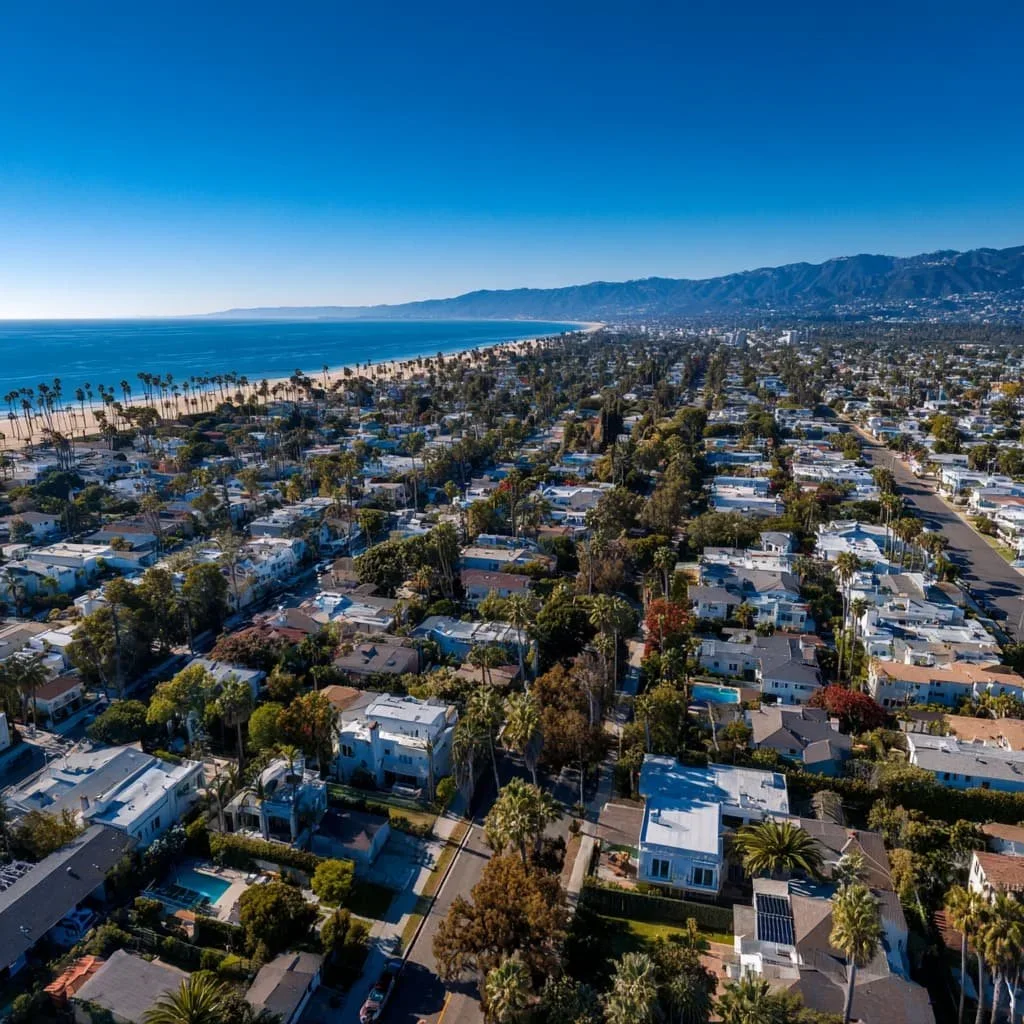
Santa Monica property research can involve city property and survey information, SaMoMAP, Los Angeles County assessor records, permits, plans, historic-resource information, prior listings, dated photographs, and transaction documents.
For controlled rental property, address- or parcel-specific Rent Control records may help establish ownership, tenancy, or restriction history. Status must be verified for the subject property; citywide statistics and neighborhood labels never replace property-specific analysis.
Prepare without waiting for perfect records
Bring the facts you have
- Property address and assessor parcel number, if available
- Requested effective date
- Intended use and intended users
- Known renovations, damage, tenancy, or other changes
- Available photographs, plans, permits, listings, and transaction records
- Access contact and relevant deadline
Missing material can be discussed during intake. The public Success Kit gives you a practical place to start.
A real-property appraisal, clearly scoped
Separate the home from the personal property inside it
This page concerns the valuation of real property: the land, improvements, and the property interest defined in the assignment. Furniture, art, jewelry, collections, and other personal property may require a qualified professional in that specialty.
Establishing that distinction early prevents the wrong service from being ordered and keeps the report focused on the estate's actual question.

Begin with the facts you have
Request a Santa Monica Inheritance Appraisal
Send the address, effective date, intended use, and the records you have. West Coast Evaluation can review the request and define the next step.
Appraisal services provide independent valuation opinions. Legal and tax questions should be directed to the appropriate adviser.