

LA's Commercial Real Estate: Value Gains and Future Outlook
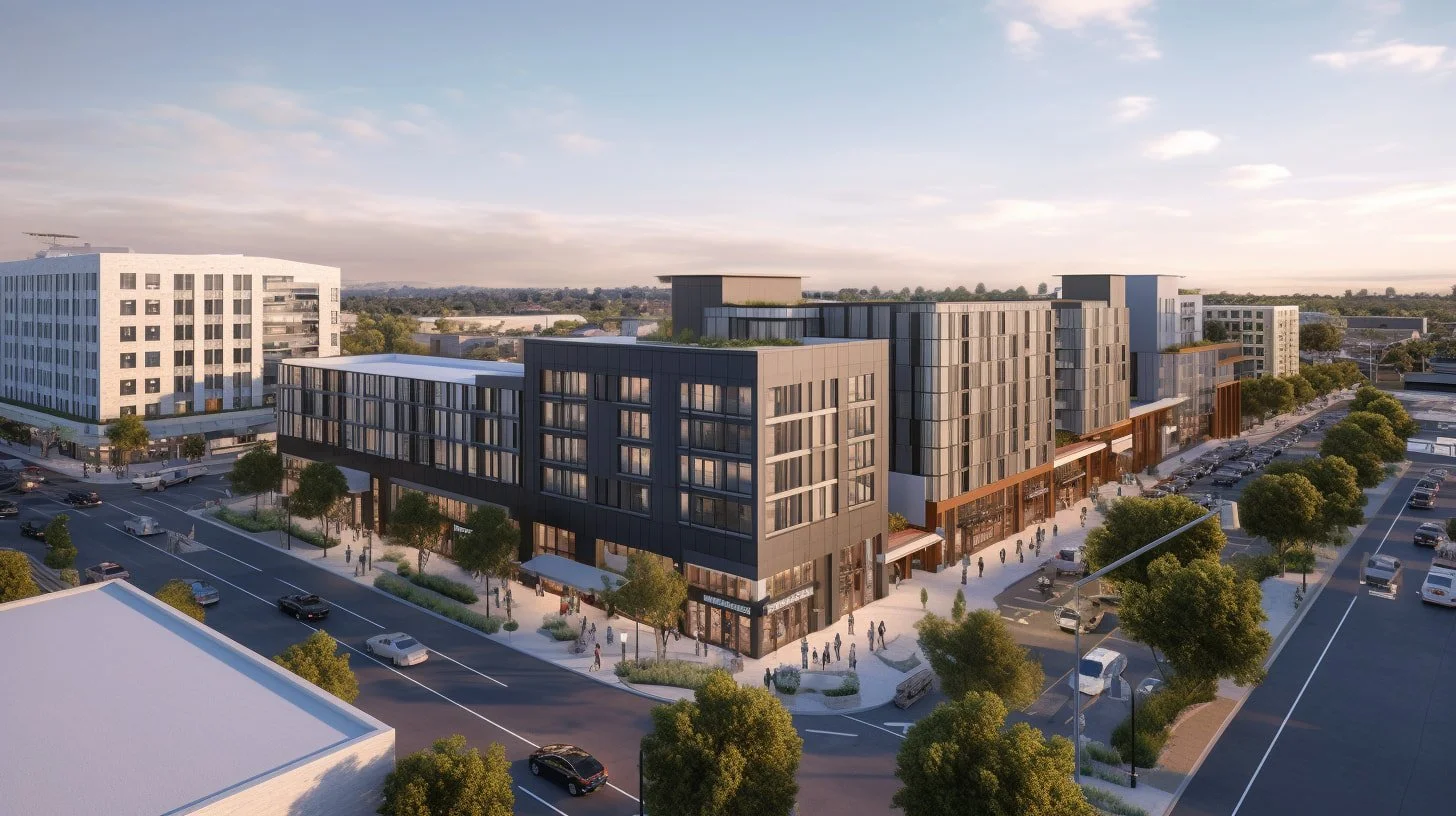
LA’s commercial real estate market is achieving major value gains through innovation, adaptive reuse, and sustainability—setting the stage for even greater growth in 2026.
Los Angeles’ commercial real estate market is seeing meaningful value gains, driven by innovation and a dynamic urban environment, even with headwinds like interest‑rate volatility and trade uncertainty. Specific sub‑markets such as Baldwin Park, Norwalk, and Bell Gardens have recently posted year‑over‑year appreciation north of 9 percent.
Historical context and evolution
Los Angeles began as a 19th‑century pueblo and was reshaped by railroads and oil into a major growth corridor.
In the 20th century it evolved into an entertainment and industrial hub, including a surge of industrial development in the 1970s that added roughly 108 million square feet of space and fueled suburban expansion.
By the late 20th century, Downtown Los Angeles (DTLA) entered a new phase as mixed‑use and residential projects kicked off a sustained revitalization wave.
Today, the market faces both challenges and opportunities across:
- Office: Hybrid work and space re‑thinking.
- Industrial: Persistent demand tied to port proximity and logistics.
- Retail: A revival of boutique and experience‑driven concepts.
- Multifamily: Structurally high demand and limited new supply.
Case studies of value enhancement
East LA warehouse
An older warehouse near the Arts District received targeted upgrades: energy‑efficient lighting, modern digital security, and improved dock access.
Those improvements, layered on top of e‑commerce demand and port adjacency, supported an estimated 540,000‑dollar increase in value.
West Hollywood adaptive reuse
A mid‑century retail building was converted into a mixed‑use asset with co‑working space and apartments.
With help from adaptive‑reuse incentives, this repositioning drove an approximate 310,000‑dollar value gain. LA’s Adaptive Reuse Ordinance (ARO), introduced in 1999, has already supported the creation of more than 12,000 housing units in DTLA.
Hollywood multifamily
A Hollywood apartment property added smart‑home technology, new outdoor amenities, and water‑saving systems.
The result was an estimated 225,000‑dollar value lift and higher achievable rents. Sustainability‑oriented upgrades have been part of the local conversation since the 1930s and were formalized in tighter codes around 2008.
Current market climate: opportunities and headwinds
Industrial
Vacancy has ticked up but still runs below national averages, supported by port‑driven logistics and e‑commerce.
At the same time, emerging regulations (including measures like California AB 98 in 2026) and trade uncertainty introduce friction and underwriting caution.
Multifamily
Renter demand remains strong, with vacancy easing from about 5.0 percent to 4.8 percent in Q1 2025.
Rent growth has been modest recently, but a slowdown in new construction is expected to tighten the market and could support firmer rents into 2026. Higher borrowing costs have created more of a buyer’s market for investors, while rent‑control frameworks remain in place.
Adaptive reuse
With DTLA office vacancy now above 31 percent, adaptive reuse has become a central strategy. The city is moving to expand the ARO beyond its original footprint as part of its housing and downtown recovery plan.
Sustainability
Green buildings increasingly command:
- Higher values (often cited up to 25 percent premiums).
- Premium rents (sometimes 20–23 percent higher).
- Lower operating costs (around 20 percent savings for many LEED‑certified assets).
Mixed‑use
Blending residential, retail, and office into tight “microneighborhoods” can:
- Raise overall valuations.
- Diversify income streams.
- Speed up lease‑ups.
- Support long‑term appreciation.
These projects also help address housing shortages, traffic concerns, and demand for walkable communities.
Controversies and challenges
- Affordability vs. development: Critics argue that high‑end development and some adaptive‑reuse projects can deepen affordability issues for lower‑income residents.
- Industrial land squeeze: Strong industrial demand competes with calls to rezone for housing or other uses. Hybrid‑industrial zoning is being explored but enforcement remains murky.
- Zoning battles: State‑level proposals (such as bills aimed at overriding local zoning to allow denser housing) face pushback from LA officials worried about losing local control.
- Permit maze: Complex, slow, and costly permitting processes can delay both market‑rate and affordable projects and have been associated with corruption concerns.
- Economic headwinds: Measure ULA (“mansion tax”) has cooled transaction volume at the higher end, and elevated interest rates are keeping some investors on the sidelines.
Future outlook for LA commercial real estate
2025 outlook
Many observers see cautious optimism, with stabilization expected across industrial, retail, and multifamily and selective recovery in the best‑located office and mixed‑use assets. Easing interest rates in 2025 would likely help cap rates compress and transaction activity rebound.
Tech and innovation
Industrial and logistics facilities are expected to adopt more automation, IoT sensors, robotics, and advanced supply‑chain technologies.
Office and mixed‑use owners are experimenting with smarter building systems and data‑driven operations.
Sustainability
Sustainability is set to remain a primary value driver, with broader deployment of solar, water‑conservation systems, and smart‑building tech, and an accelerating push toward carbon‑neutral buildings by 2030.
Transit‑oriented development
Continued Metro Rail expansion and public‑private partnerships around major transit nodes are likely to support value growth, especially as the region prepares for the 2028 Olympics and related infrastructure upgrades.
Expert advice for owners
- Document everything. Keep organized records of improvements, receipts, photos, permits, and leases so appraisers and buyers can clearly see the value story.
- Stay ahead of policy and zoning. Track zoning changes, incentive programs, and emerging regulations that affect what you can build and how it is taxed or regulated.
- Work with local professionals. Partner with LA‑based appraisers, land‑use counsel, and brokers who understand submarket dynamics, entitlement paths, and current buyer expectations.