


Calabasas Trust Appraisals: The House Keeps Changing After the Fact
The value attaches to a date that has already gone by. Meanwhile the house is cleared, cleaned and made ready, and each of those quite ordinary things removes a little of the evidence of how it stood on that date.
A Date That Has Already Passed
Why the Clock Started Before You Called
Federal regulation fixes the value of estate property at its fair market value at the time of the decedent’s death. The date is not chosen by anybody administering the trust and it is not a scheduling matter. It was set by an event, and it is already behind you when you first hear the word appraisal.
A trustee then reports. California requires an account at least annually, on a change of trustee and when the trust ends, and that account states the trust’s assets. So the figure is not produced once and filed away. It is referred to, relied on and read again over a period of years.
In the middle of all that, the house carries on being a house. It gets emptied. It gets cleaned. A roof gets seen to, a kitchen gets freshened, a carpet comes up, a room gets painted before anyone shows it to a buyer. Every one of those is sensible administration and not one of them is a mistake. They also, quietly, remove the evidence of how the property stood on the date the value has to describe.
That is the whole of it. An appraiser who sees the house early is observing. An appraiser who comes later is reconstructing, from records, photographs and what can still be seen. Both are real appraisals and they are not the same document. If the house is still as it was, there is something worth doing now. Tell us the property and the date and we will settle the scope in writing before any analysis begins.
Three Ways This Arrives
Where Trustees Usually Are When They Call
One. The Date Is New and Nothing Has Been Touched
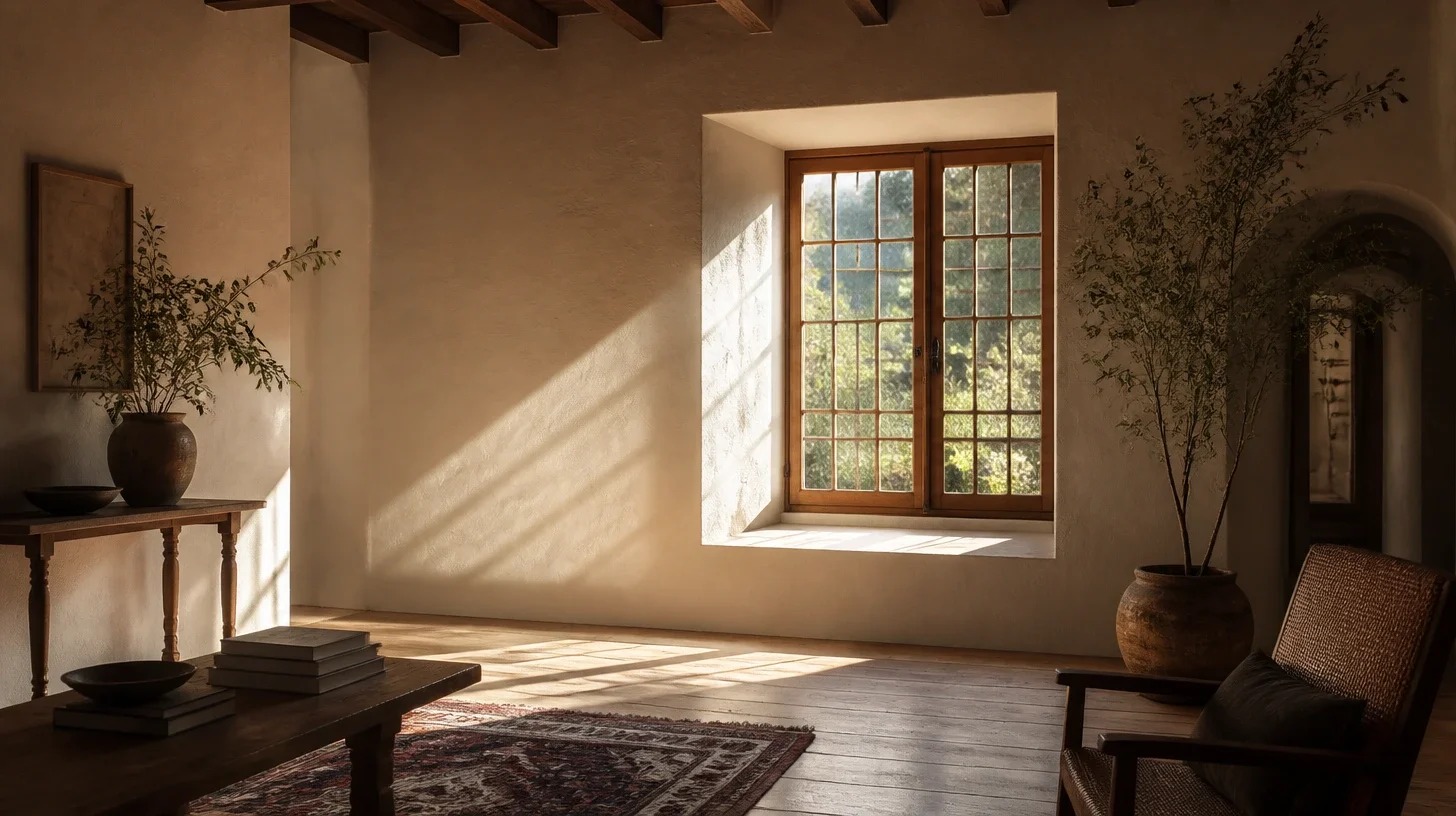
This is the easiest version and it does not feel like it at the time. The house is as it was, an inspection records it directly, and everything after that rests on observation rather than on inference. Nothing else about the administration has to be settled first.
Two. The House Has Already Been Cleared
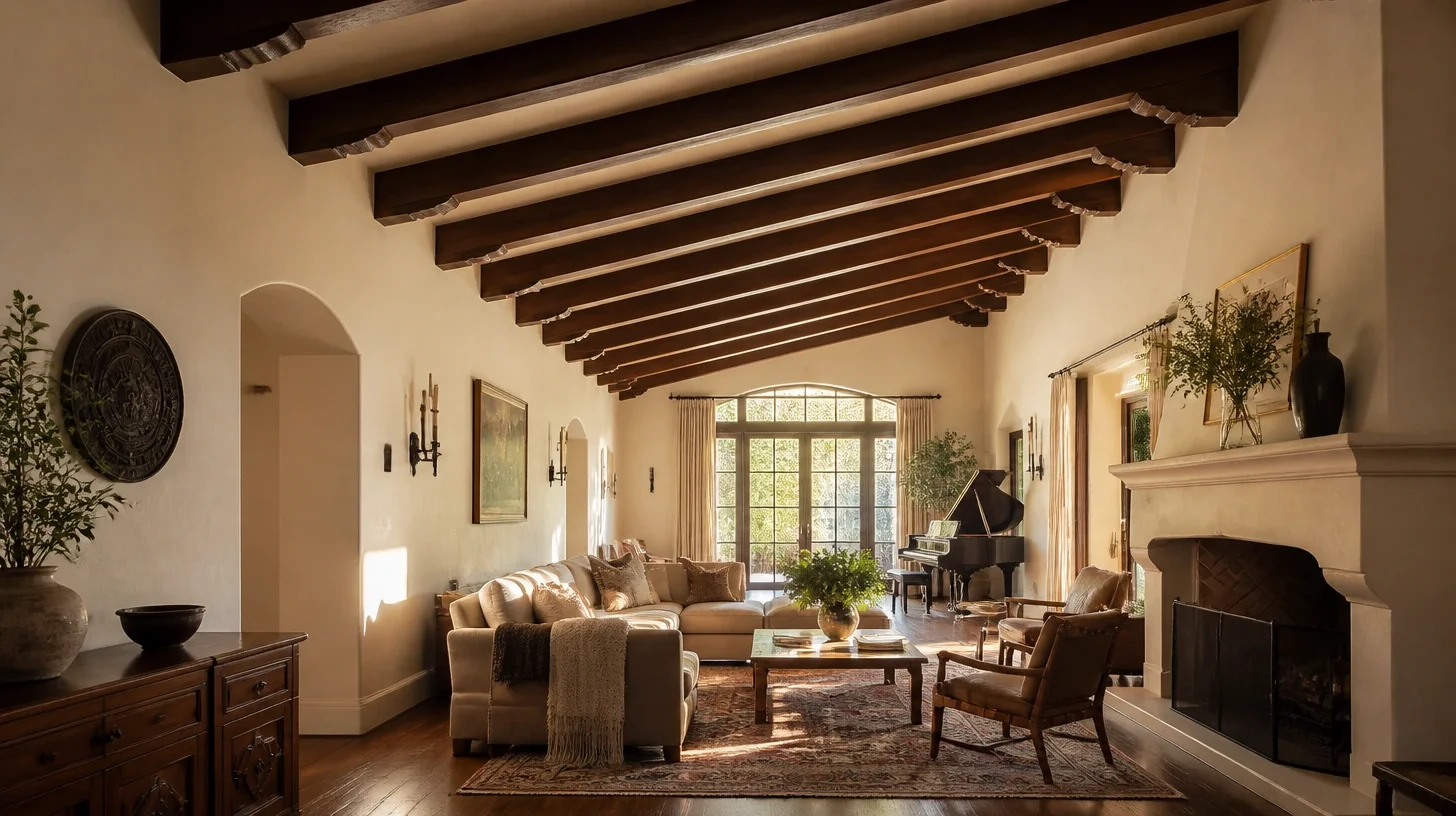
Very common, entirely reasonable, and not a problem to be apologised for. A retrospective valuation is ordinary professional work. What changes is where the evidence comes from: listing records, permits, photographs taken by the family, and what the building still shows. It is worth saying plainly that this is a different document, not a lesser one.
Three. The Property Will Not Be Sold for Years
Some trusts hold a house for a long time, for a beneficiary to live in or until circumstances change. The figure still attaches to the original date, and it will be read long after anyone remembers what the kitchen looked like. That is an argument for recording the property properly now rather than later.
How the Work Is Governed
What a Trustee Is Actually Handed
This is USPAP work, and three things are pinned on instruction and printed in the report: what the valuation is for, who will rely on it, and the date it answers to. A report missing any of the three cannot safely be lifted into a purpose it was not built for.
Nobody here is paid according to the answer. What the work costs is agreed at the outset and stays agreed. Where a property was seen long after the effective date, the report states that on its face; a trustee should never discover it by reading closely.
What was observed and what was drawn from records are separated, not blended. So are the sales relied on and the reason behind each adjustment. Three years on, that separation is the difference between an answer and a shrug.
None of this distinguishes us. It is the baseline, and a page that advertises its baseline is describing itself rather than the job in front of you.
Where We Stop
Four Things a Trustee Asks That We Will Not Answer
Saying so costs us work occasionally. It is still the correct answer, and a valuation is worth more when the person who prepared it was willing to name the edge of their own competence.
What Gets Observed and Verified
Six Steps, and What Each One Still Holds Later
One. The Date and the Purpose, Fixed in Writing
Which date the value has to speak to, who will read the report and what for. In a trust the date comes from an event rather than from a choice, and everything after this step depends on getting it stated correctly.
Two. The Property, Seen While It Can Still Be Seen
Walked through and written down: how the rooms are arranged, what the fittings and finishes are, and how the building has been treated. Where changes have already happened, the report records what survives and marks it as such.
Three. What the Building Still Shows, and What Only Records Can
Permits, listing history, prior photographs and the public record fill the gap between the date and the visit. The line between observed and inferred is drawn in the report rather than blurred into it.
Four. Sales That Closed Around the Date
Not today’s market and not asking prices. Sales that completed near the effective date, verified, with unusual terms understood before they are used.
Five. Each Difference Priced, and the Reason Given
How this property differed from each comparable, written out. Years later this is the part somebody reads first, so it is written for a stranger.
Six. A File That Still Answers in Three Years
Assembled so that a beneficiary, an accountant or a later reader can follow it without the appraiser present, because by then that is exactly the situation.
What to gather, and what to photograph first
The short list that helps most when a property has already changed.
Answers Before You Instruct
What Trustees Ask Us First
The house has already been cleared. Is it too late?
No. A retrospective valuation is ordinary professional work and it is done properly all the time. What changes is the evidence it rests on, and the report is explicit about what was observed and what came from records.
Why is the date not the day we instruct you?
Because the regulation fixes value at the time of the decedent’s death. The date follows the event rather than the instruction, which is why it is already behind you when you first think about an appraisal.
What can you still establish after the property has changed?
A great deal. Permits, listing history, prior photographs and the building itself all carry evidence. What we will not do is present an inference as an observation, so the report distinguishes them.
What would help you most if we have already started clearing?
Photographs taken before anything moved, even casual ones on a phone. Also any listing from when the property was last bought or marketed, and permits for work done. Those three between them carry most of what is lost.
Does the appraisal tell us what the tax position is?
No. It establishes a value for a stated date and purpose. What that means for a return belongs to your accountant, and we will not step into it.
Can we use an appraisal that was done for something else?
Usually not without checking, because the intended use and the effective date are part of what makes a report what it is. Send it to us and we will tell you honestly whether it answers the question you now have.
Who will end up reading this?
Beneficiaries, an accountant, sometimes an authority, and often somebody reading it years after it was written. That last reader is the one the file is assembled for.
How long does the property have to stay untouched?
It does not. Nobody should leave a house standing empty on our account. The point is only that an inspection before the changes records more directly than one after them.
What if the estate is going through probate rather than a trust?
A probate runs under court supervision and a trust does not, so the scope and the readers differ. Our Calabasas probate appraisal page handles those matters.
What the Number Has to Survive
Four Readers, and What Each of Them Needs From It
Trusts also give rise to valuations for reasons quite unlike this one, and every such reason is its own assignment with its own agreed scope.
Trustees, attorneys and accountants can reach us directly on (310) 955-1147.
A Beneficiary Who Was Not There
The figure has to be explainable to somebody who did not see the property and who may be reading years later. Legibility is the requirement.
An Accountant Preparing a Return
The figure has to be tied to a stated date with the basis of it visible. What happens next belongs to them.
A Trust Accounting
The figure has to sit in a statement of assets and be traceable back to the work that produced it whenever the account is prepared.
A Sale Years Afterwards
By then the property may bear little resemblance to what was valued. The report has to make clear what it described and when.
Service Area
Calabasas, and the County Around It
We cover Calabasas and the wider Los Angeles County. If a trust holds property a little beyond it, ask; the answer is usually yes.

Before You Instruct Anyone
Useful Ground Before You Instruct
Resource Hub
Background on effective dates, retrospective work and what a report can carry.
What’s It Worth
What goes into a valuation, and why the date attached to one changes what it is able to say.
The Success Kit
What to gather, and what to photograph before anything else is moved.
Trust Appraisals Across the County
The Wider Trust Cluster
Los Angeles Trust Appraisals Encino Trust & Estate Appraisal
Cities
Begin With the Date the Value Answers To
The scope, the purpose and the effective date go in writing before any analysis, so the valuation is built for the job it actually has.
MICRO Scope, purpose and effective date agreed in writing before work begins. PHONE (310) 955-1147