


Encino Trust and Estate Appraisals and the Value Nobody Reviews
Nobody has asked you what the house is worth. Where property passes in a trust, nobody is going to — and that silence is easy to read as permission to leave it.
This page explains who sets the value when a home passes outside probate, why almost nothing is examined at the time it is set, and the point years later at which the figure is finally tested.
Secure request form. No obligation. Scope and fee confirmed in writing before any work begins.
Who Checks
Nobody Is Appointed, and Nothing Is Filed
Most people arriving here expect that something will eventually tell them what the house was worth — an official, a form, a date by which it has to be done. For property in a trust none of that exists, and the absence is the part worth understanding.
Nothing about the house goes to a court
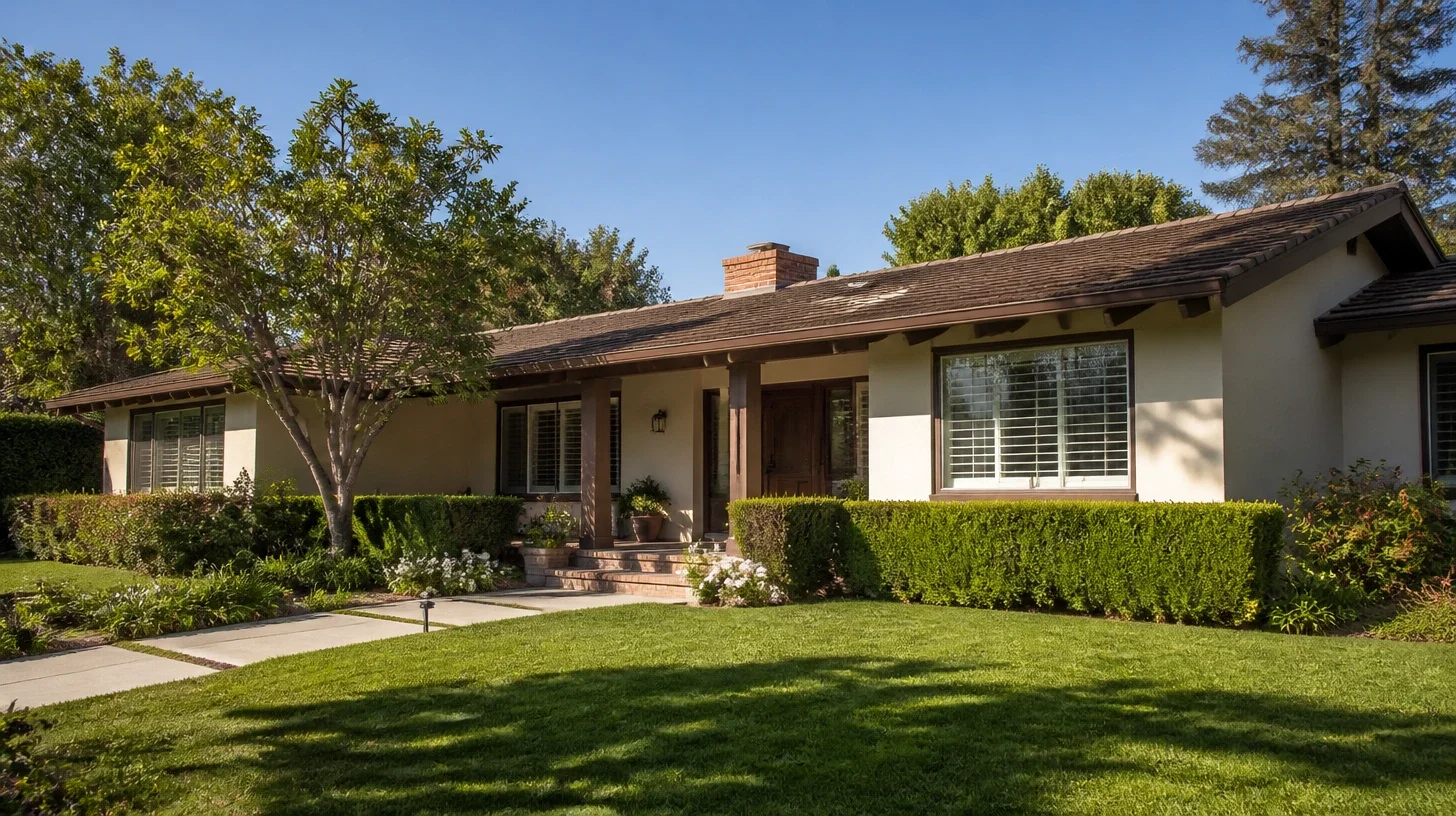
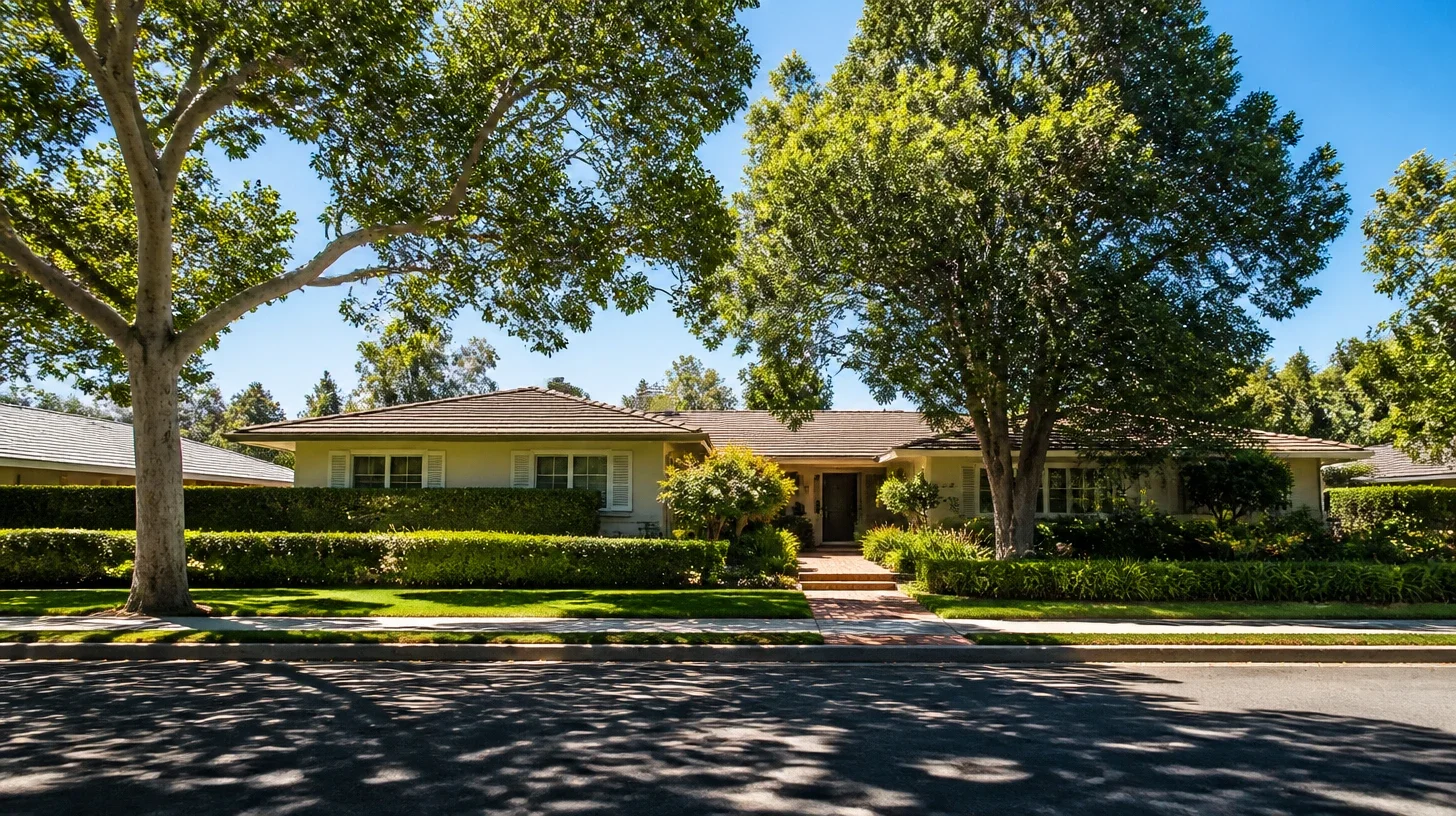
A home sitting in a trust does not travel through the probate process at all. Nobody is appointed to value it, no schedule of it reaches a judge, and no hearing is ever set about it. The successor trustee engages an appraiser directly, or does not, and either way nothing happens next.
Almost no estate is examined at the time
For 2026 the federal estate and gift tax exemption stands at fifteen million dollars per person and thirty million for a married couple. The overwhelming majority of estates fall below it and never file a federal return at all, so no tax authority looks at a date-of-death value while the evidence supporting it is still fresh.
The examination arrives when you sell
Under Internal Revenue Code section 1014 property acquired from someone who has died takes a basis equal to its fair market value at the date of death, and that is the figure an eventual sale is measured against. The burden of proving it rests on whoever is selling. Where no valuation was ever taken, the fallback position is what the property originally cost — which, for a house held a very long time, removes most of what the rule was there to give.
Where the Missing Figure Turns Up
Three Moments When It Stops Being Theoretical
Nobody is described here. Each of the three below is a point at which a value that was never written down becomes the thing everything else is waiting on.
The house is sold years after the death
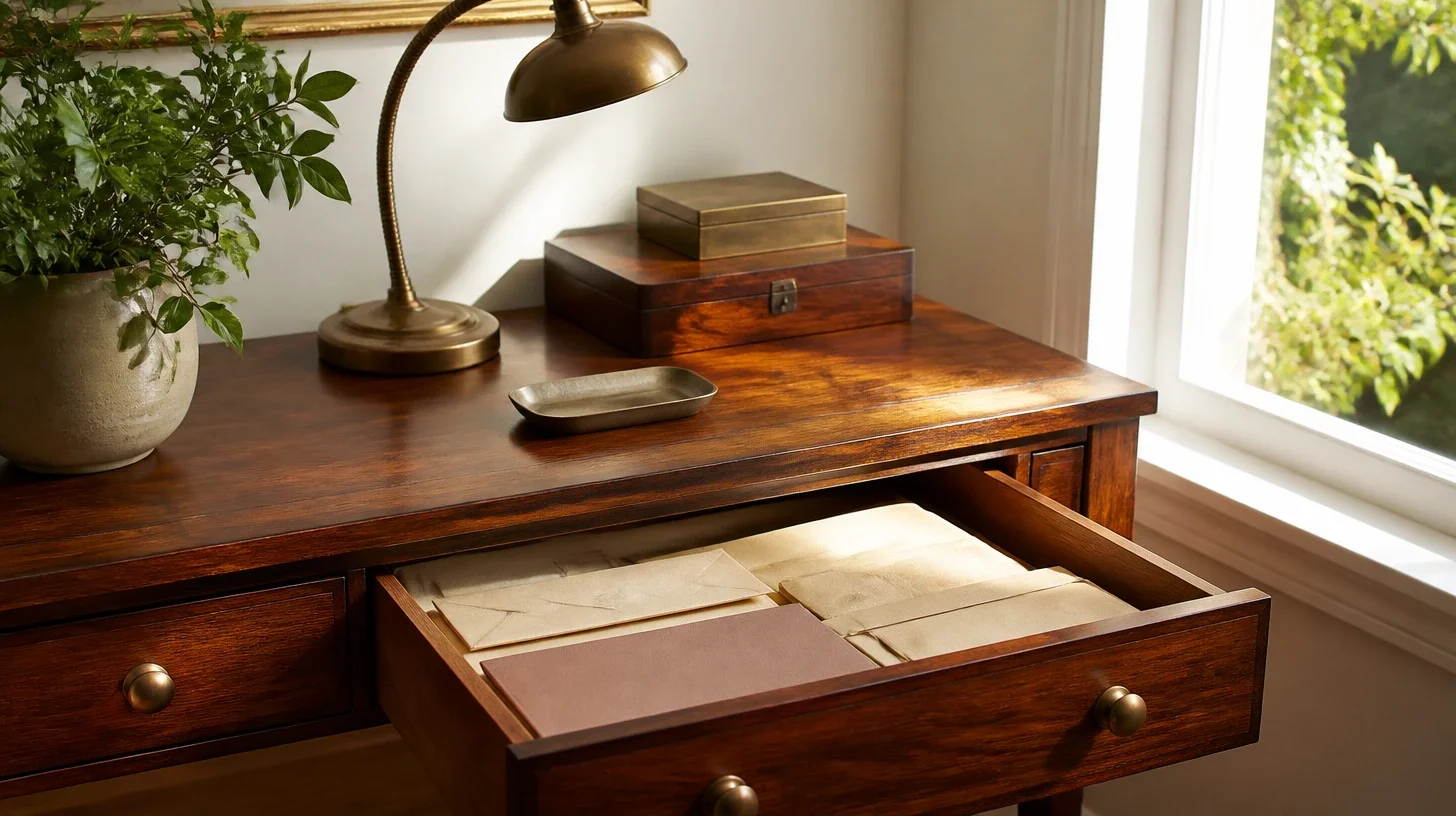
The family decides to sell, and the accountant asks what the basis is. The answer has to rest on something recorded at the time. Where nothing was, the market evidence for that date has to be reconstructed from a far colder trail, and the further back it sits the harder and more expensive that work becomes.
The trustee has to account to the beneficiaries
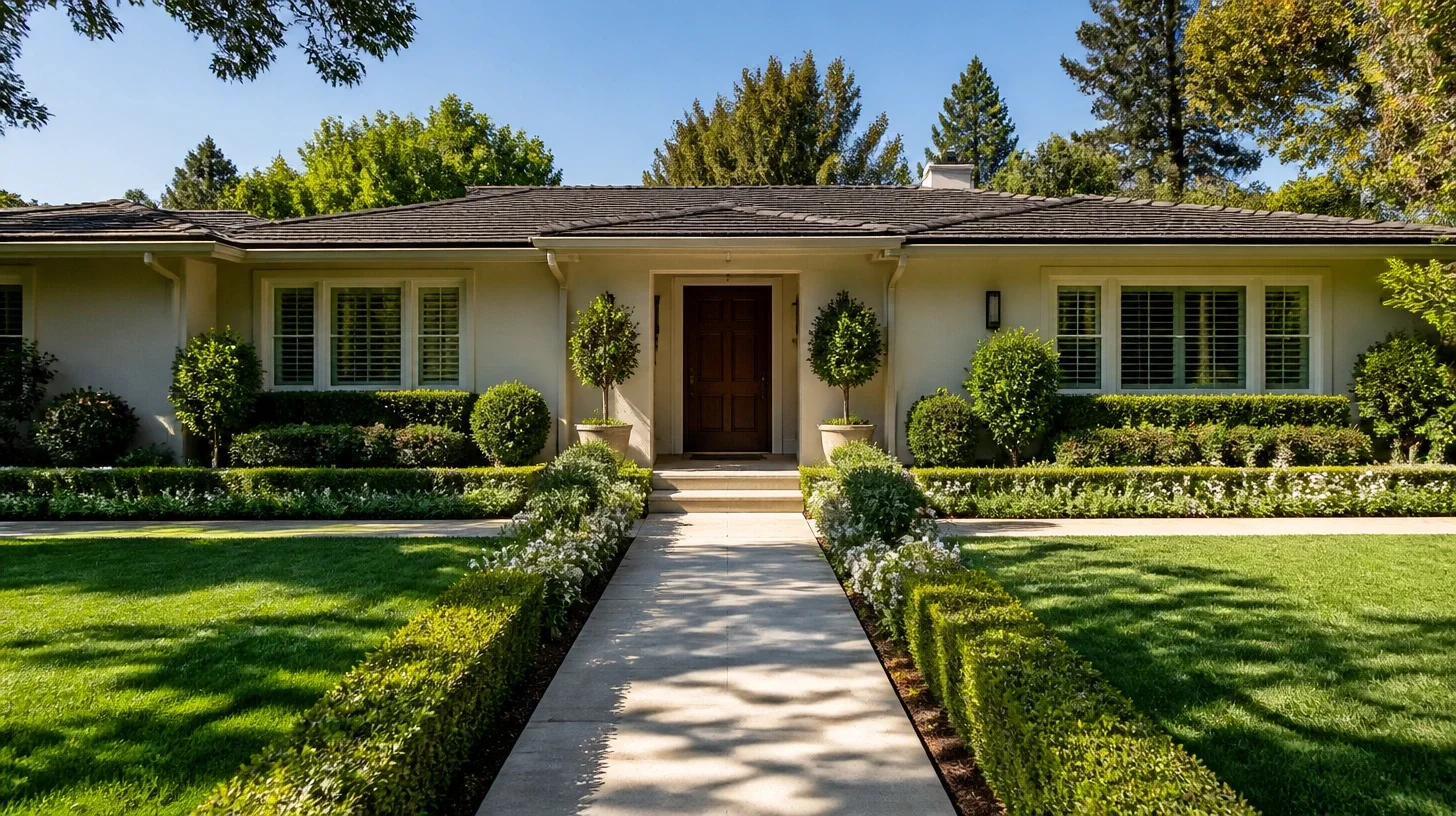
Probate Code section 16062 requires a trustee to account at least annually, at the end of the trust and on a change of trustee. An account that includes real property has to state it at some figure. That figure is the trustee’s, arrived at with nobody having been appointed to arrive at it for them.
One beneficiary is taking the house
Where one person keeps the property and the others take value instead, the number stops being an entry in an account and becomes the size of somebody’s share. Everyone affected by it is entitled to see how it was reached.
Independence
What Makes a Figure Hold Up Ten Years Later
A trust valuation may sit unread in a file for a decade and then be produced in support of a tax position. It has to be built for a reader it has not met.
Nothing about our fee moves with the answer
The price of the assignment is fixed when we take it on. It does not rise if the value comes in high and it does not fall if it comes in low, so there is no version of this work in which we are better off for reaching one number rather than another.
What the report is for is written into it
The date it values, and who is entitled to rely on it, are settled at instruction and stated on the face of the document. Somebody opening it fifteen years from now should not have to work out what it was commissioned to do.
Evidence a later reader can re-walk
The sales relied on, the adjustments applied and the reasoning between them are set out so that an accountant, an attorney or another appraiser can follow the argument long afterwards and see exactly what it rests on.
The standard the work is developed under
Every assignment is developed and reported under the Uniform Standards of Professional Appraisal Practice. For a document that may not be opened again for a decade, that is what lets whoever finally reads it treat the contents as a professional opinion rather than an old letter somebody wrote.
The WCE Difference
No Law Requires This, and We Will Say So
We looked, and we found no statute obliging a trust to obtain an appraisal of real property. We are not going to imply one exists. The case for doing it is exposure rather than obligation: nobody will make you, and nobody will warn you either. If your situation genuinely does not call for a report, we would rather tell you that than sell you one.
The Process
Building a Record That Still Works in Fifteen Years
The work itself is ordinary. What makes it useful much later is that each part of it is written down while it can still be checked.
We settle what the report is for before anything else
We take in whatever paperwork survives in the house
We inspect the property and document what we find
We build the comparable evidence for the date in question
We set out the reasoning rather than the conclusion alone
We deliver it to whoever was named at the start
What is in the house now will not be there later
Purchase and refinance documents, permits, records of work done, old photographs of the property — all of it changes what a valuation of a past date can rest on. Most of it exists in one drawer in one house, and it is rarely still there once the property has been emptied.
Questions
What Trustees Actually Ask Us
Is a trust required to get an appraisal?
We found no statute that requires one. That is the honest answer, and it is also why this page exists. There is no rule to prompt you and no deadline to remind you, so the decision falls entirely to whoever is holding the office.
Then who decides what the house was worth?
In a trust, the trustee does. Nobody is appointed to the property and nothing about it is filed with a court, so the figure that ends up in the record is the one the trustee puts there.
Nobody had an appraisal done. What now?
A valuation as at a past date can still be developed. It uses the evidence available as at that date rather than today’s, and it is a recognised assignment with its own scope. It becomes harder and more expensive the further back the date sits, but it is a great deal better than nothing.
When does the value actually get tested?
Usually when the property is sold, which may be many years afterwards. Basis is what the sale is measured against, and the burden of supporting it falls on the person selling.
Can we just use the figure on the property tax bill?
No. Under Proposition 13 an assessed value is anchored to a base year and may rise by no more than two per cent a year until the property changes hands. For a home held a long time it is simply a different number from market value, and it is the lower of the two.
Who is entitled to rely on the report?
Whoever was named for that purpose when the assignment was taken on, and they are identified inside the document itself. It is worth getting right here, because the person who eventually opens the file — an accountant, an attorney, a beneficiary — may have had nothing to do with commissioning it.
The trust has to be accounted for. Does an appraisal help?
Probate Code section 16062 requires a trustee to account at least annually, at the end of the trust and on a change of trustee. Where real property is reported, an independent valuation is what that figure rests on instead of the trustee’s own estimate.
The beneficiaries do not agree with each other. Does that change anything?
It changes what the report has to withstand rather than how it is produced. Reasoning set out in full gives people something specific to examine, which is generally better than a conclusion they can only accept or refuse.
How long should the report be kept?
Until the property has been sold and the return covering that sale is beyond question. That is a longer horizon than most household documents get, and it is worth saying so to whoever inherits the filing.
Which parts of Encino do you work in?
All of them, along with the neighbouring communities across the valley. The way the assignment is built does not change with the address.
When You Need One
What the Valuation Is Actually For
To fix basis while the evidence is still close to the date
The date-of-death value is what an eventual sale is measured against. Establishing it near the time, while the comparable evidence is current and the condition of the property is known, is the cheapest it will ever be.
To support the trustee’s account
Where real property appears in an account under section 16062, the figure is the trustee’s responsibility. An independent opinion is what stands behind it.
To give beneficiaries something they can examine
A stated scope, named evidence and visible reasoning let a beneficiary understand a figure rather than simply receive it. That tends to remove an argument rather than start one.
To set the terms of an equalising distribution
Where one beneficiary takes the property and the others take value instead, the valuation decides the size of everybody’s share.
To replace the assessor’s figure before it is relied on
The tax bill is very often the only property number anyone can find in the paperwork. Substituting the measure the purpose actually calls for is frequently the most useful single thing this work does.

Service Area
The Wrong Number Is Already in the House
When a family needs a date-of-death figure and no appraisal was taken, the number they find is almost always the one printed on the property tax bill. It is the wrong measure for the purpose, and it is wrong in the direction that costs them.
Proposition 13 anchors an assessed value to a base year and allows it to rise by no more than two per cent a year until the property changes hands. That is a rule about taxation, not a statement about the market. Where a home has not changed hands in a long time the two figures have been separating steadily ever since — by arithmetic, not by anybody’s estimate.
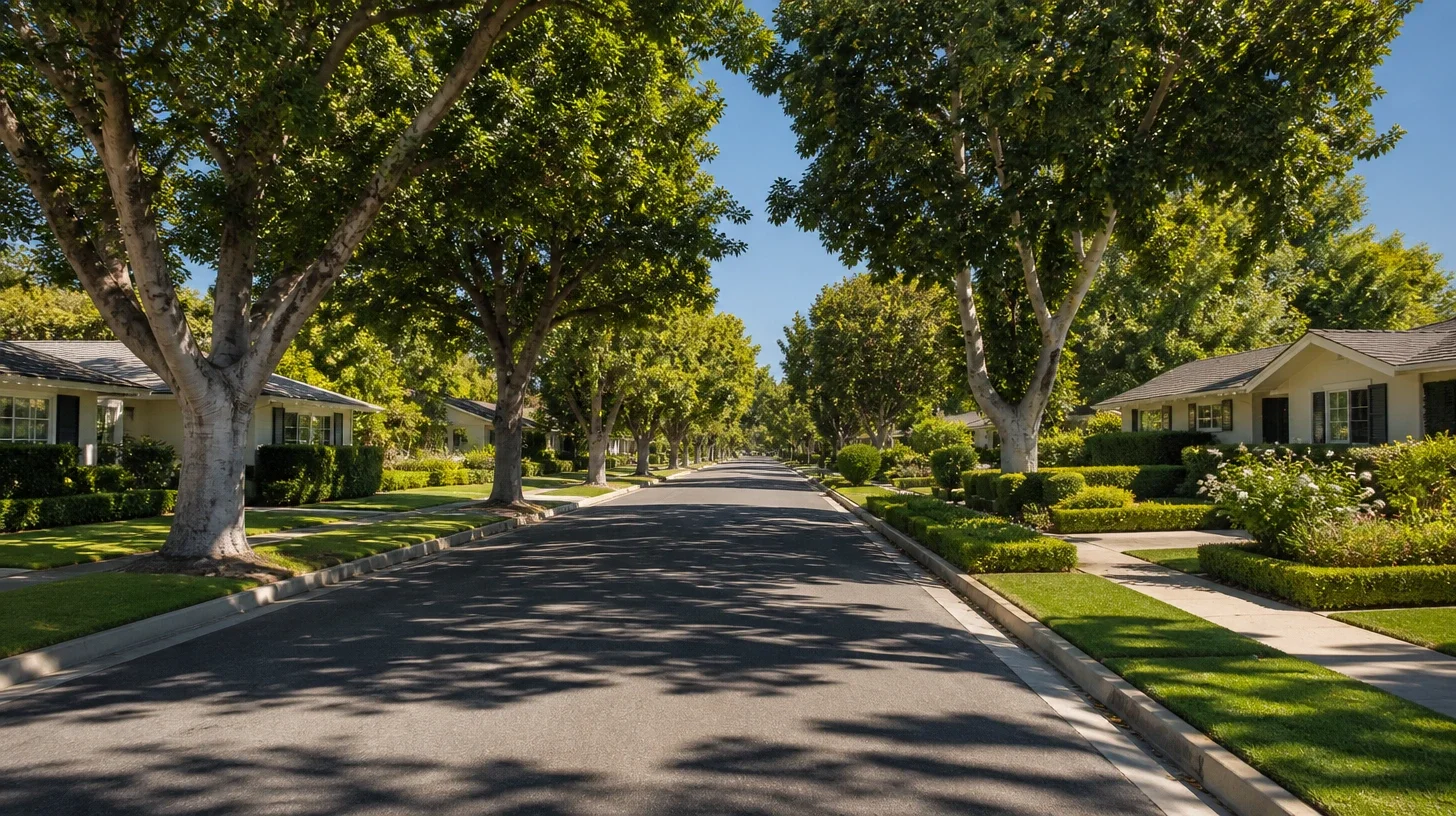
We work across Encino and the communities around it. The map is there to place the area rather than to mark a boundary we will not cross.
Resources
Worth Reading First
The Resource Hub
Material for the attorneys, accountants and fiduciaries who commission this work alongside everything else they are already handling.
What’s It Worth
How an opinion of value is actually built, in plain terms, for anyone who wants to understand the method before engaging anybody at all.
The Preparation Guide
What to look for in the house before an inspection, and why each document widens what the valuation is able to rest on.
Coverage
Other Cities We Cover
Cities
Request Your Encino Trust and Estate Appraisal
Tell us the property and the date of death. If your situation genuinely does not need a report, we will say so before you commit to anything. Scope, the date to be valued and the fee are put in writing and agreed before any work begins.
Secure request form. No obligation. Scope and fee confirmed in writing before any work begins.