


Malibu Residential Appraisals: The Part a Walkthrough Cannot See
An inspection establishes a great deal on its own. It cannot see the easement, the access arrangement, the structure behind the trees, or the work finished eleven years ago that you have stopped thinking about. You can.
What the Visit Does and Does Not Settle
Four Things Worth Knowing Before Anyone Arrives
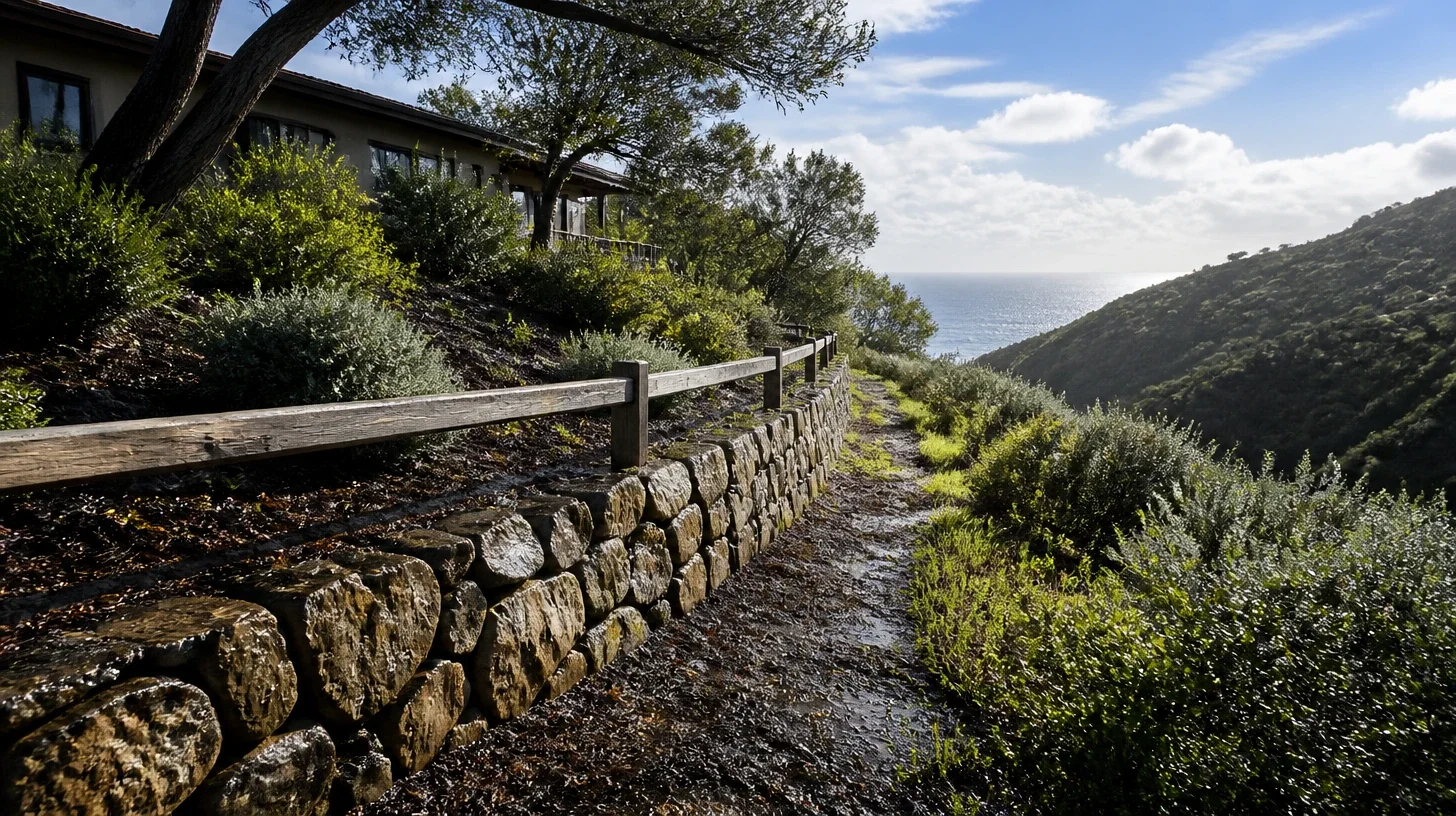

One. A Walkthrough Establishes More Than People Expect
Layout, condition, quality of finish, how the rooms relate, what has been maintained and what has not. An appraiser walking a property reads most of it directly, and reads it against a great many others.
Two. It Cannot See What Leaves No Trace on the Walls
A shared drive whose maintenance is somebody else’s. A recorded easement across the lower boundary. A guest space that is a permitted dwelling rather than a room. A view that is protected, or is not. NONE OF THAT SHOWS UP IN A ROOM.
Three. You Are the Only Person in the Building Who Knows
Not the agent, who arrived after most of it happened. Not the file, which records what was submitted rather than what exists. The person who has lived with the property holds the facts that the walls do not carry.
Four. What You Say Is a Starting Point, Not a Substitute
Everything you tell us gets verified. THAT IS THE POINT OF SAYING IT: a fact nobody knows to check is a fact nobody checks. Your account opens the enquiry and the work still has to be done.
Three Situations
Three Ways the Unsaid Thing Turns Up
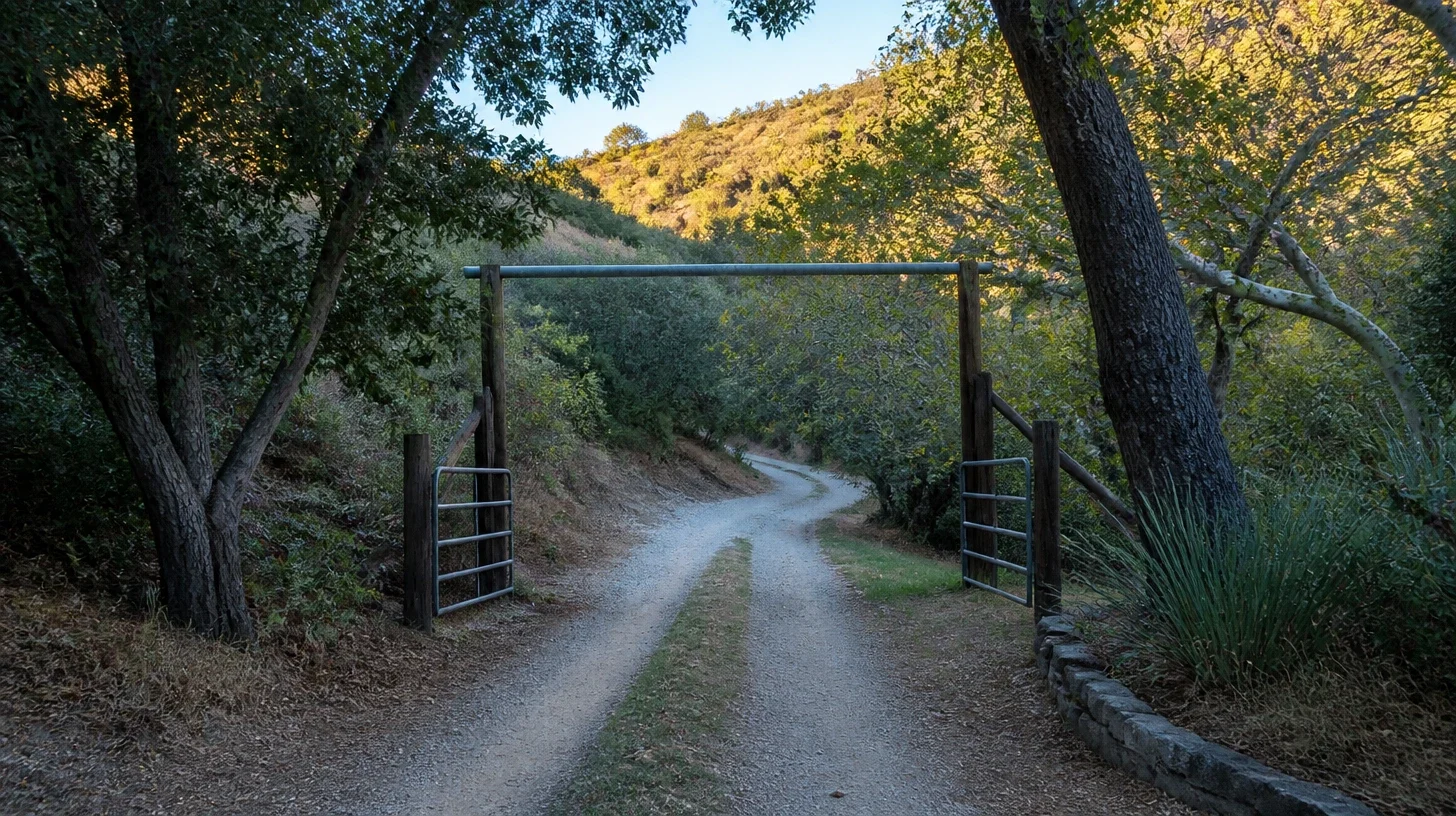
One. The Structure at the Back
There is a building beyond the main house. It has power, water and a bathroom, and it was finished long enough ago that everybody calls it the studio. WHETHER IT IS A PERMITTED DWELLING OR AN OUTBUILDING changes what it contributes, and the owner is the only one who knows which conversation happened at the time.
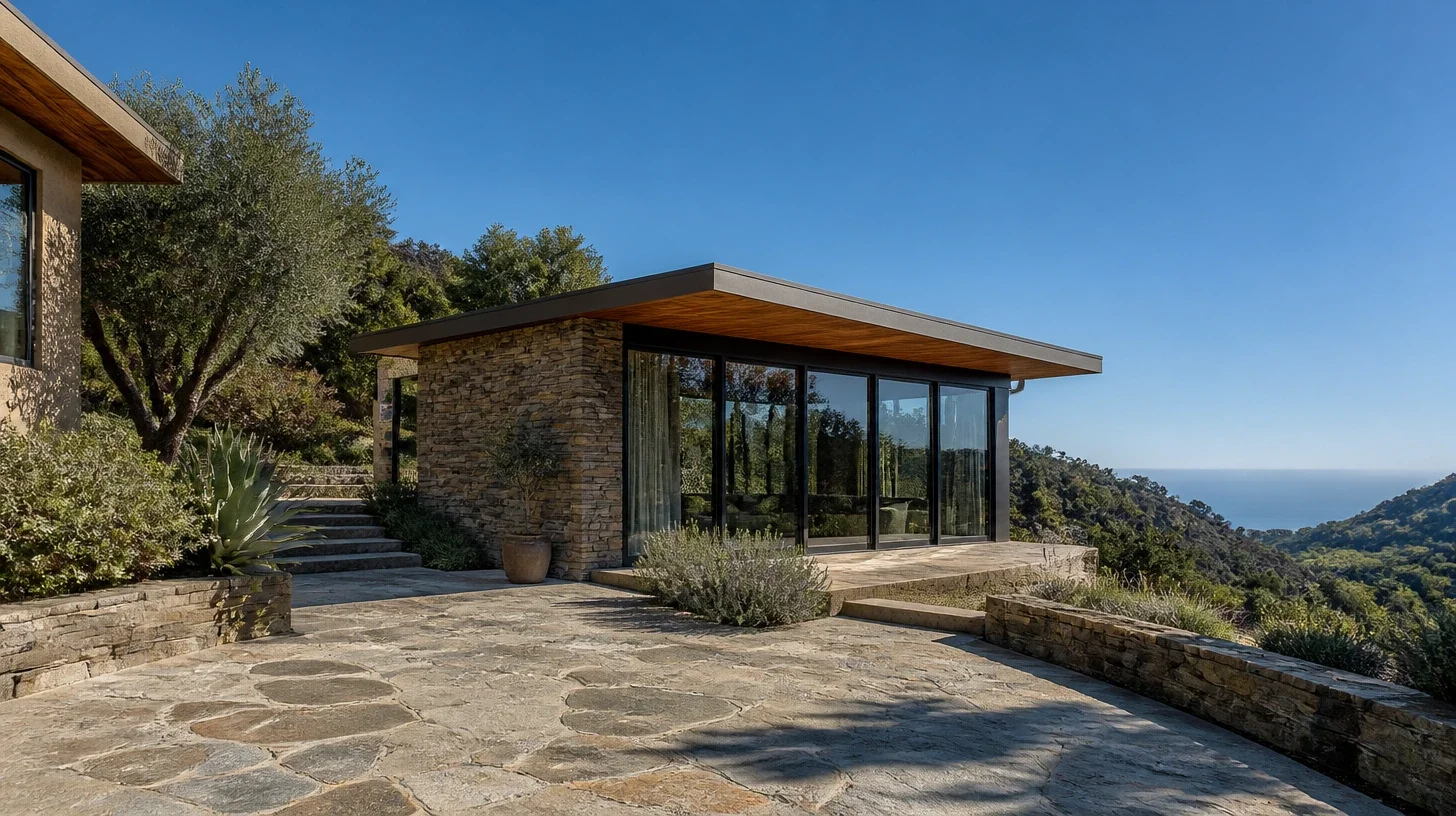
Two. The Drive That Belongs to Somebody Else
Access runs across a neighbour’s ground, or the neighbour’s runs across yours, and there is an arrangement that has worked for years. IT IS EITHER RECORDED OR IT IS NOT, and that difference is worth establishing before it is relied on rather than after.
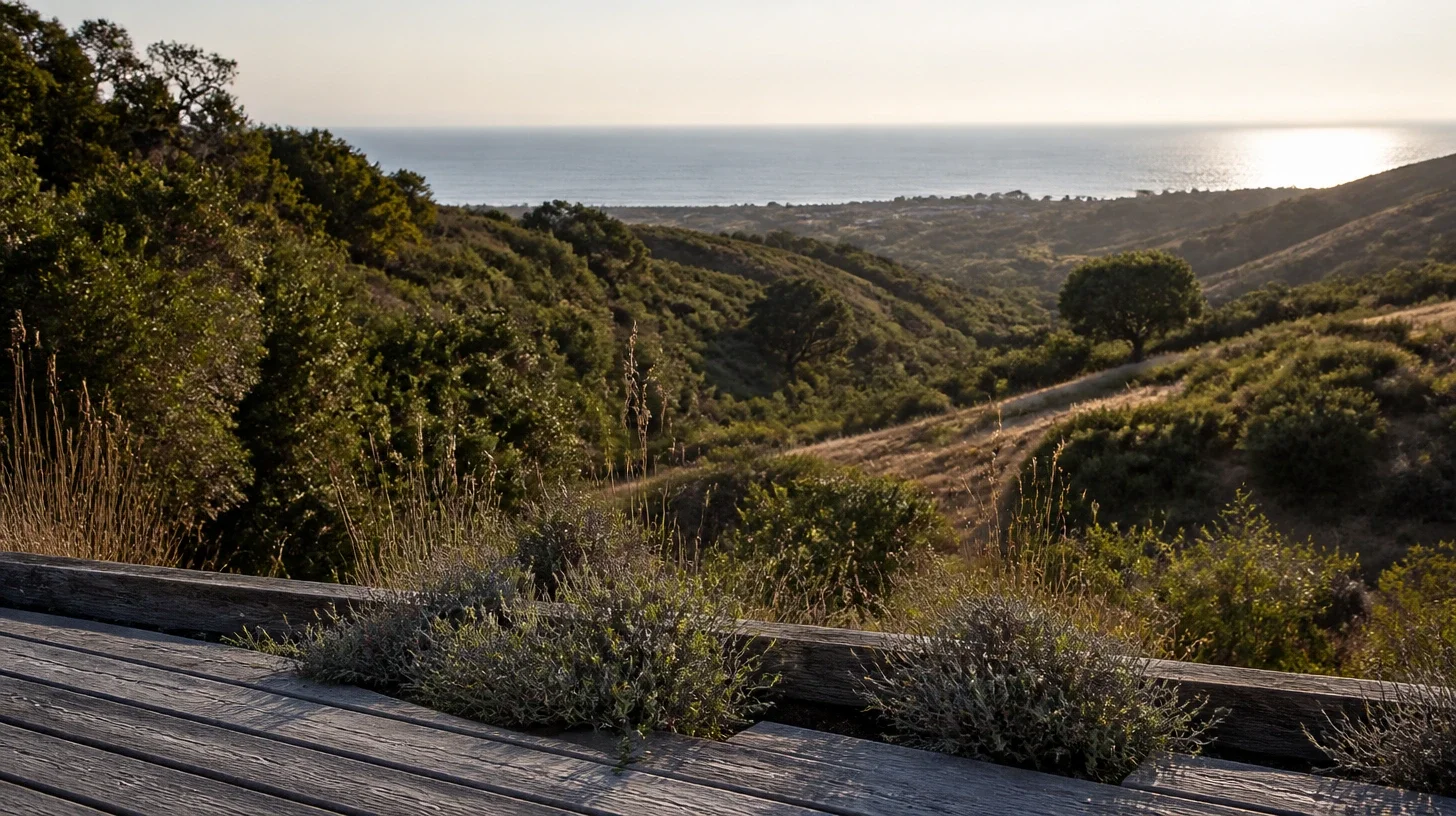
Three. The Work Nobody Mentions Any More
A retaining structure, a rebuilt deck, a drainage run, a foundation repair. Significant site work, finished years ago, and long since stopped being news in the household. IT IS STILL PART OF THE PROPERTY and it does not announce itself from the ground.
What the Report Rests On
Where the Number Comes From
Evidence You Can Follow
The report shows the comparable evidence and the reasoning that connects it to the conclusion. A figure that cannot be followed is a figure that cannot be relied on.
The Answer Does Not Depend on Who Asked
The opinion does not depend on which answer would suit anybody. That independence is what makes it usable by the people who read it afterwards.
Verified, Not Assumed
What the owner tells us is checked. Records are read, measurements are taken, and the difference between what is documented, what is represented and what remains uncertain is kept visible in the report.
The WCE Difference
What Evidence-Driven Work Actually Requires
It requires asking the owner what the building does not say, before the visit rather than after. It requires checking the answer rather than accepting it. It requires a report that shows its working, so that the person reading it a year later can see how the conclusion was reached.
The Process
Six Steps, and the First One Is a Conversation
One. What the Appraisal Is For
Sale, refinance, estate or trust planning, a dissolution, or a private decision. The intended use shapes the whole assignment.
Two. Scope in Writing
What is being valued, which rights, as of what date, and who will rely on it. Settled before the work begins.
Three. What You Know That We Cannot See
The easements, the access, the detached improvements, the site work, the views and the things that would not be obvious on a walkthrough.
Four. Inspection
The property is walked and measured. IT DOES NOT NEED STAGING and this is not a home inspection or a cleanliness inspection.
Five. Research and Analysis
Comparable evidence is gathered and tested against the property as it actually is, including everything established in step three.
Six. Delivery, and the Reasoning Behind It
The report is delivered, and the reasoning in it is available to be asked about.
What to gather, and what to say
The facts that decide the number, and the ones that never did.
Straight Answers
What Gets Asked Before the Visit
Do I need to tidy or stage the property first?
No. The appraisal is not a home inspection and it is not a cleanliness inspection. Time spent tidying is time not spent telling us the things that actually matter.
What should I have ready?
The address and who can give access. What the appraisal is for. Any surveys, plans, permits or records you already hold. A short list of major work and roughly when it was done.
What if I am not sure whether something was permitted?
Say so anyway. An uncertain fact that is named can be checked. An uncertain fact that is not named stays uncertain and nobody knows to look.
Does telling you about improvements change the outcome in my favour?
It changes what is considered, not which way the conclusion goes. Everything you tell us is verified, and the opinion does not depend on which answer would suit anybody.
There is a structure at the back. Does it count?
It depends what it is, and that is exactly the sort of thing worth establishing before the visit rather than during it.
Access runs across a neighbour’s land. Is that relevant?
Yes. Whether the arrangement is recorded, and what it permits, is a fact about the property rather than a detail of the neighbourhood.
What if I forget something?
Tell us when you remember. An assignment is not sealed the moment the inspection ends, and a fact that arrives late is better than one that never arrives.
Who will be able to rely on the report?
Whoever is named as an intended user when the scope is set. That is settled at the start, because it shapes what the report has to do.
Do you appraise other kinds of property in Malibu?
Ask us. THERE IS NO SEPARATE MALIBU PAGE FOR OTHER SERVICES YET, so the quickest route is to describe the property and what you need it for. If your property is in a neighbouring city, our Calabasas Residential Appraisal covers that work.
How It Works
Four People Who Read the Figure, and What Each One Needs
The Owner
Needs to understand how the conclusion was reached, in language that survives being read once.
The Adviser
Needs the reasoning visible, because they will be asked to explain it to somebody else.
The Other Side
Needs a report that does not depend on whose instruction produced it.
The Reader a Year From Now
Needs the evidence still attached to the conclusion, because memory will not supply it.
Where We Work
Malibu and the Surrounding Coast and Canyons
We appraise residential property in Malibu and across the wider Los Angeles County. If a property sits just past the boundary, ask. The answer is usually yes.
Before You Instruct Anyone
Worth Reading First
Scope, Dates and What a Report Can Carry
Background on how an assignment is bounded and what a written opinion is able to support. The WCE Resource Hub
Why an Opinion and an Estimate Diverge
Where a figure comes from, and why two answers about one property can both be produced honestly. What Is It Worth
The List This Page Is Really About
The list this page is about: what to gather, and what to say that the property will not say for you. Malibu Residential Appraisal Preparation Guide
Homeowner Valuations in Other Cities
The Same Work, Nearby
Encino Residential Appraisal Studio City Residential Appraisal North Hollywood Residential Appraisal
Cities
Before You Do Anything to the House
You do not have to prepare the house. Tell us what the walls will not say.
Scope and fee are confirmed in writing before the work begins.