


Studio City Commercial Appraisals: Zoning Is Not the Whole Answer Here
A commercial value starts with what a property is allowed to be. On the Studio City corridor that answer is not in the zoning code alone, because a specific plan sits above it, and that plan was replaced in March 2026.
Where the Number Actually Starts
Two Ceilings Nobody Told You About
Most owners arrive with one of two numbers already in mind. Either what the building cost, including the fit-out, or what the tenant pays. Both are real figures and neither one is the answer, because both sit under a ceiling set somewhere else.
The first thing a commercial appraisal establishes is highest and best use: what the property may legally, physically and financially be. Everything after that depends on it. Choose the wrong use and every subsequent calculation is arithmetic performed on the wrong premise.
On this corridor the legal half of that question is not answered by the zoning code. The Ventura-Cahuenga Boulevard Corridor Specific Plan governs use and development here, and where a specific plan differs from the Municipal Code the plan controls. The current one took effect on 14 March 2026 under Ordinance No. 188816, replacing a plan that had stood since August 2001. The City lists a further update as in progress. What your parcel may become is a question for that instrument and the maps that go with it, not for a general rule.
The second ceiling is the fit-out. A specialised build-out contributes what the market will pay for it, which is not what it cost. California’s own assessment guidance treats improvement beyond market standard as functional obsolescence rather than as added value, and puts the test plainly: an item is worth curing only where the cost to cure is no more than the value curing adds. Sometimes most of a build-out comes through. Sometimes very little does. That is a measurement, not a verdict on the work.
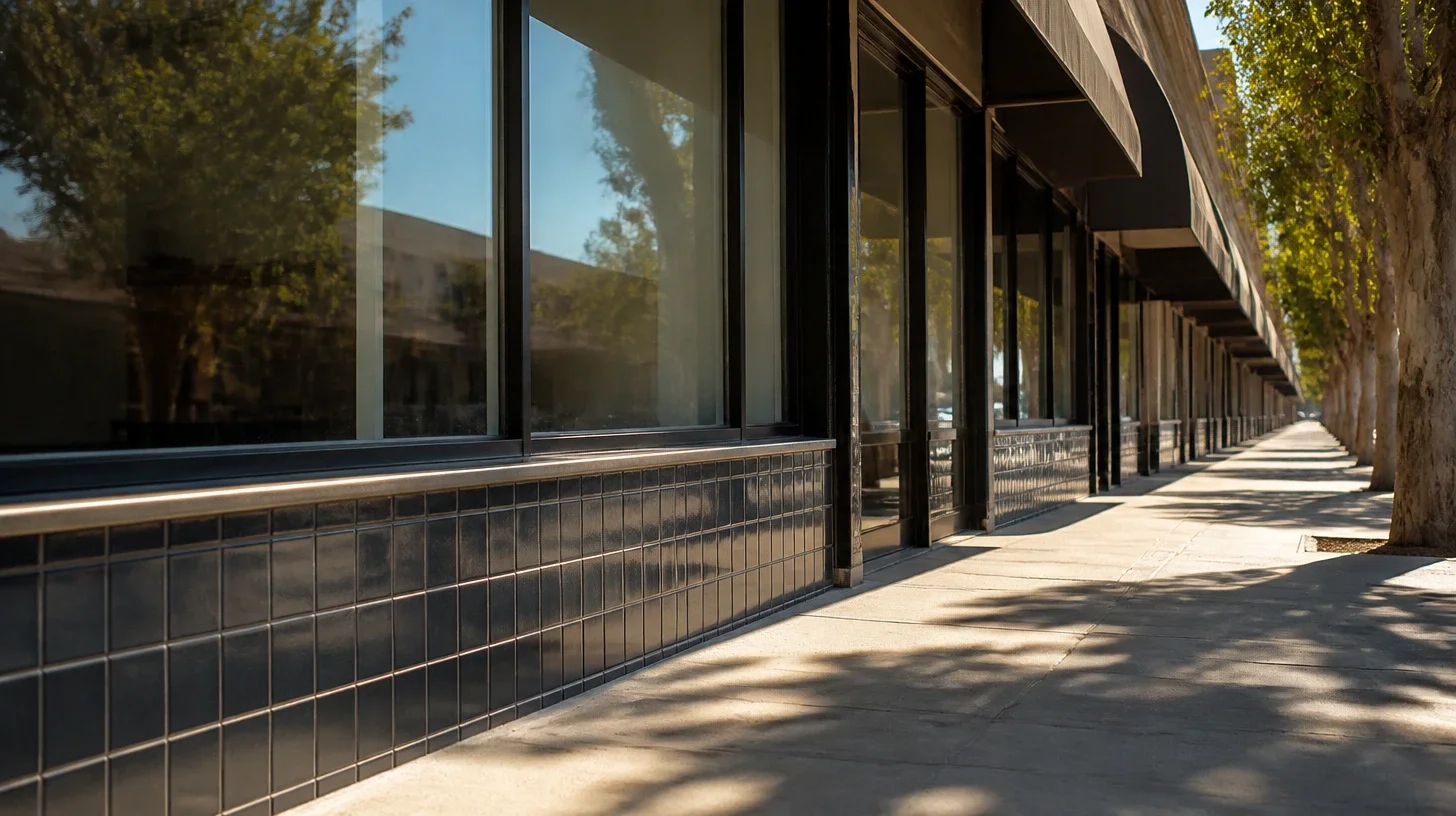

Three Ways This Question Arrives
The Same Property, Three Different Conversations
An owner has just finished a refit and wants it reflected. The honest answer is that some of it will be and some of it will not, and the useful work is separating the two before anyone relies on a figure.
An owner bought under the previous plan and has not looked at the governing document since. The instrument changed in March 2026. Whether that changes anything for this parcel is a question with an answer, and it is worth having before a decision rests on the old one.
A buyer or a lender needs a number and is being handed rent figures. Rent describes what the property does now. It does not establish what it may be, and where those two differ the second one is what the value follows.
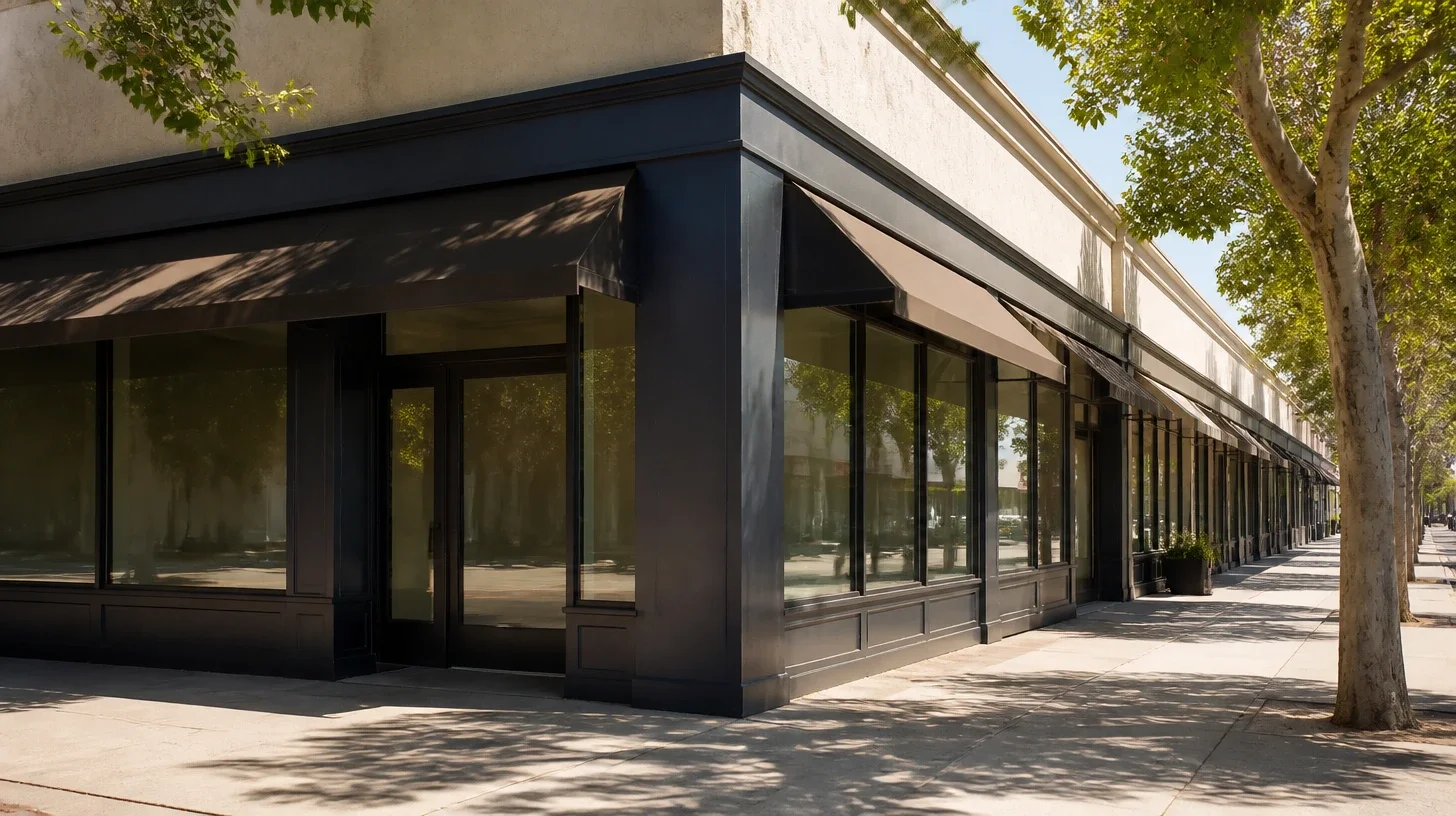
The Refit Just Finished
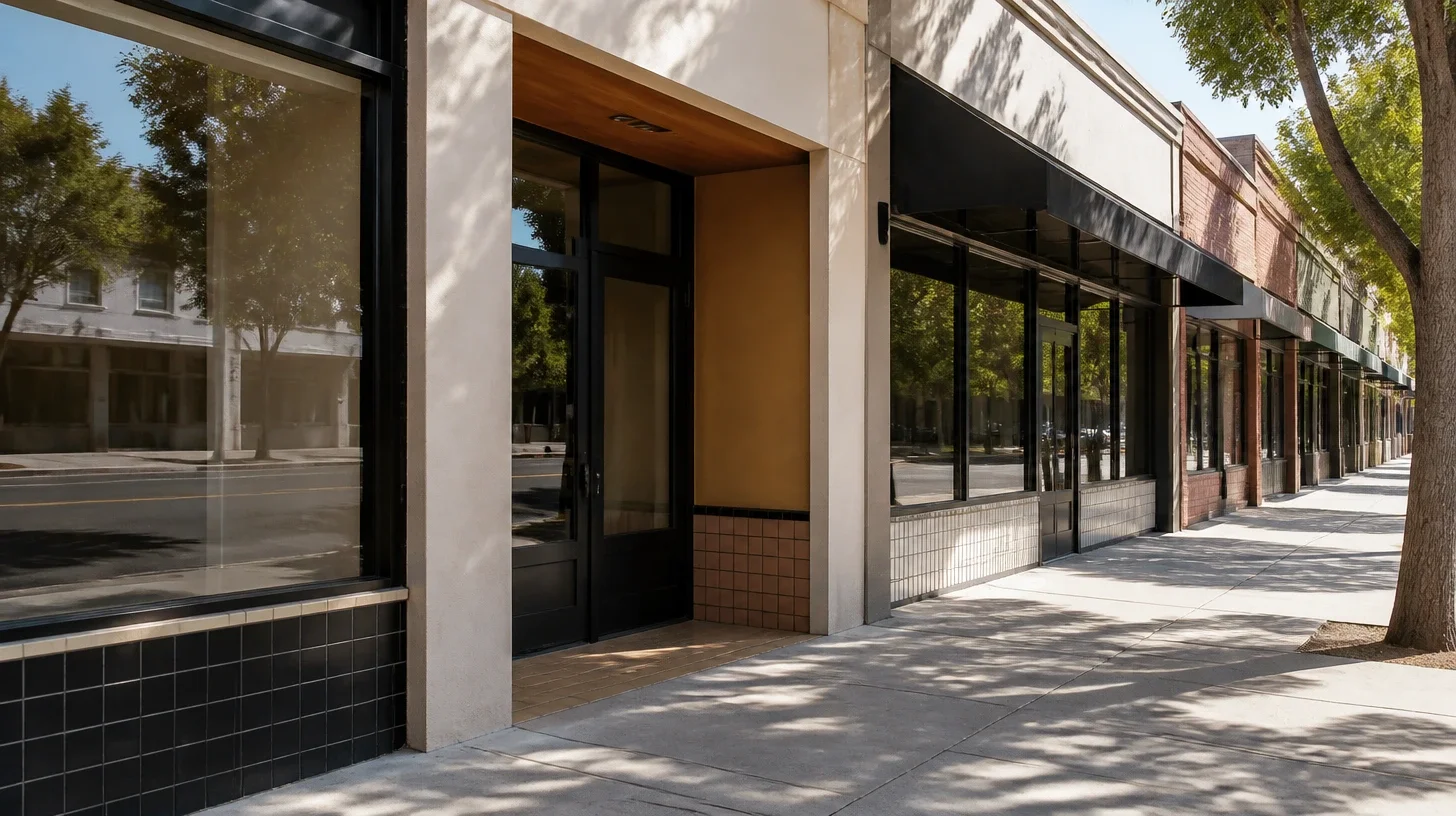
The Plan Changed After the Purchase
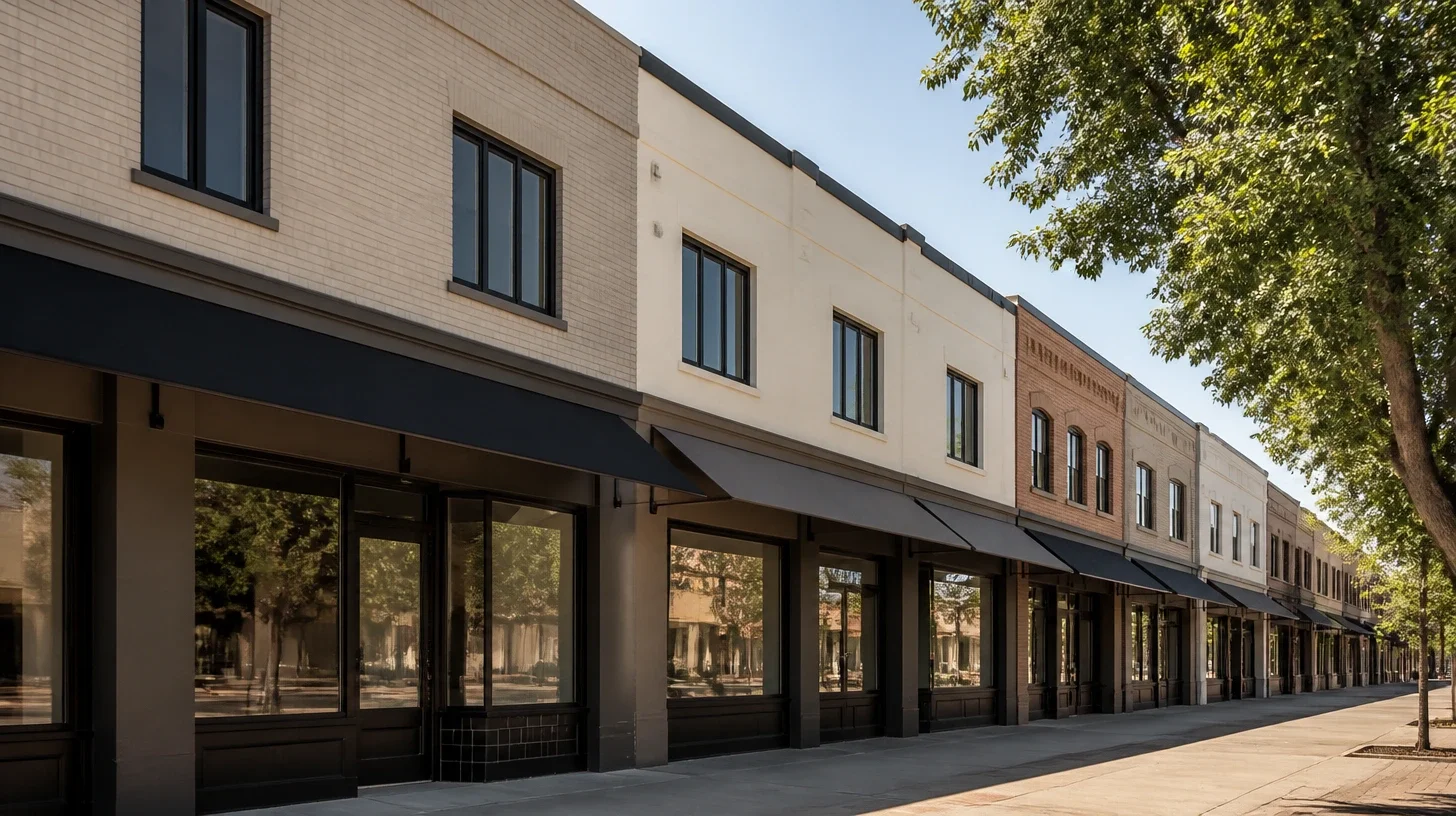
The Rent Roll Answers a Different Question
How the Work Is Governed
What Sits Behind the Number
Commercial assignments are performed to USPAP under the credential the work requires, and the appraiser is matched to the asset rather than to the calendar. We say that here as a fact about the file, not as the reason to instruct us.
Scope, effective date, intended use and intended user are fixed in writing before the analysis starts, because a commercial report written for a lender and one written for a partnership dispute are not the same document and cannot be repurposed after the fact.
The workfile supports the report. Where evidence is thin, the report says so rather than smoothing it, and where a question belongs to another discipline it is named and handed over rather than absorbed.
Where We Stop
We Tell You Where the Appraisal Ends
An appraisal establishes value. It does not tell you what the City will approve, what an application would cost, or how long it would take. Those belong to a land-use consultant or a planning attorney, and an appraiser who blurs that line is selling confidence rather than analysis.
What we will do is state plainly which instrument governs the parcel, what the valuation assumes about permitted use, and exactly where that assumption came from. If the assumption is wrong, you will be able to see it and say so.
The Order the Questions Get Answered
Six Steps, and the Order Is the Point
Nothing below is unusual. What matters is the sequence, because each step constrains the one after it and doing them out of order is how a commercial number ends up defensible on its arithmetic and wrong on its premise.
One. What the Property Is
Two. What Governs It
Three. What It May Be
Four. Which Approaches Fit
Five. What the Improvements Contribute
Six. What the Report Has to Support
What to have ready before the first call
Leases, plans, permits and the fit-out record. What survives on file is what the analysis can rest on.
Answers Before You Instruct
Straight Answers About What Governs the Number
Is a specific plan the same thing as zoning?
No. Zoning is the base regulation in the Municipal Code. A specific plan is a separate instrument for a defined area, and where the two differ the plan controls. Both apply, and reading only one of them gives you half an answer.
The plan changed in 2026. Does that affect what I own?
It might, and the only honest answer is that it depends on the parcel and on the maps. What we can tell you is which instrument governs and what the valuation assumes, so the question is visible rather than buried.
We just spent a lot on the build-out. Does that count?
Partly, usually. A fit-out contributes what the market pays for it. The more specialised it is, the fewer buyers it suits, and the wider the gap between what it cost and what it adds. We will tell you which side of that your work falls on.
Are you saying our improvements were a waste?
No, and we would not. Improvements that serve your own use can be entirely worth making and still not return their cost on a sale. Those are two different questions and only the second one is what an appraisal answers.
Why not just use the rent?
Because rent tells you what the property earns under its current use. If a different use is the highest and best, the income approach on the current one understates the asset. The rent gets used. It does not get used first.
Can you tell us whether the City would approve a change?
No. That is a land-use question and it belongs to a planning consultant or a land-use attorney. We will state what the valuation assumes about permitted use and where the assumption comes from, so anyone reviewing it can check.
Does the report say which approaches you used and why?
Yes, and it says why the others were not. Approach selection follows from the use conclusion, so a report that does not explain the selection has skipped the step that justifies everything after it.
What do you need from us to start?
The address and the parcel, whatever leases exist, plans and permits if you have them, the fit-out record, and what the number is for. That last one changes the assignment more than any of the others.
What if the property turns out to be residential?
Then the assignment is different and so is the page. Our Studio City residential appraisal page covers that work.
What the Number Is For
Four Decisions a Commercial Value Feeds
The analysis does not change to please the reader, but the assignment does. Intended use is fixed at the start because it governs scope, and a report built for one decision cannot be lifted into another. Brokers, lenders and counsel handling this for a client can raise scope with us directly.
A lending decision. The question is what supports the credit, and the report is written to be reviewed by someone with no context and no reason to be generous.
A purchase or a sale. The question is what the asset is worth to a buyer who can use it differently from the way it is used now.
A dispute or a dissolution among owners. The question is a defensible figure at a stated date, and the record of how it was reached matters as much as it does.
A tax or accounting position. The question is a supportable number tied to a specific date and a specific definition of value, written for a reviewer.
Lending
Purchase or Sale
A Dispute Among Owners
A Tax or Accounting Position
Where We Work
Studio City and the Corridor Through It
We cover Studio City and the commercial corridor that runs through it, along with the surrounding San Fernando Valley communities. If your property sits just outside, ask. The answer is usually yes.
Before You Instruct Anyone
Reading That Helps
Resource Hub
Guides on scope, intended use and what a commercial report has to support.
What’s It Worth
Working notes on valuation questions, written for owners rather than appraisers.
The Success Kit
What to gather before instructing anyone: leases, plans, permits and the fit-out record.
The Same Service Nearby
Commercial Appraisals in Neighbouring Cities
Cities
Scope First, Then the Fee, Then the Work
The property and the purpose settle the scope. The scope settles the fee. Both are confirmed in writing before any analysis begins, which is the same order everything else on this page follows.
Scope, effective date and intended use are confirmed in writing before the analysis starts. Call (310) 955-1147.