


Studio City Divorce Appraisals: The Number Both Sides Have to Live With
Dividing a marital home means agreeing on one figure for a property that two people own and value differently. We appraise homes in Studio City for dissolution matters, working from a defined engagement so that what the report can be used for is settled before the work begins.
Where the Difference Between Two Numbers Comes From
Two Appraisers, One House, Two Defensible Numbers
If you are holding two appraisals that do not agree, the first thing worth knowing is that this is ordinary. It usually does not mean one appraiser was careless or bought. It means two people made a series of reasonable choices and the choices did not match. Those choices have names, and once you can name them you can talk about the gap instead of arguing about it.
Choosing comparables is where two careful appraisers most often part company. What qualifies is not proximity but competition: a sale that drew the same buyer, in a similar condition, close enough in time to reflect the same market. Choosing them is judgement applied to a limited set of real transactions, and reasonable judgement has range.
Two appraisers can start from different effective dates, and the date decides which sales are eligible at all. They can weigh a remodelled kitchen against a larger lot differently. They can see the property in different condition if they inspected months apart. Each of those is a defensible position, and each moves the number. The gap between two honest reports is made of specific, nameable decisions rather than of one person being wrong.
A dissolution cannot end with a range. Somebody has to buy somebody out, or the house has to be sold, and either way one figure gets written down. So the useful question is not which report wins. It is which decisions the two reports made differently, and which of those decisions the facts actually support. That is a question with an answer, and it is the question we are usually engaged to work on.

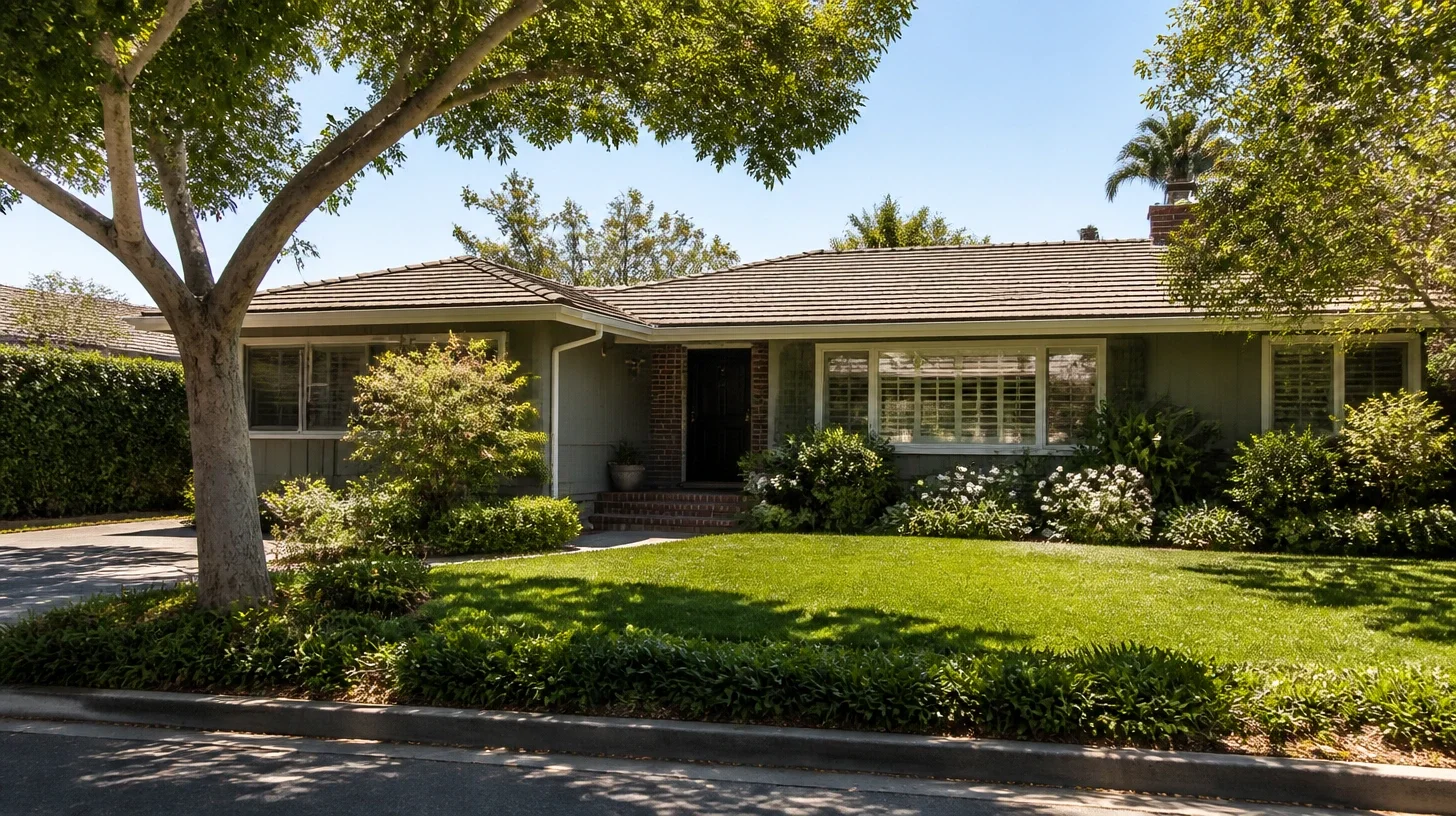
What an Appraisal Is Actually Choosing When It Chooses Comparables
Why Two Careful Selections Can Both Be Defensible
What That Means When One Number Has to Be Agreed
Situations We Are Called Into
Where the Gap Between Two Reports Usually Comes From
One report is written to the date of separation and the other to a current date. Neither appraiser chose wrongly; they were instructed differently. The pools of eligible sales barely overlap, so the two figures were never going to match. The question that resolves it is a legal one about which date governs, and it is answered by the attorney handling the matter rather than by either appraiser.
A house inspected in spring and again in autumn is not always the same house. Work was finished, or deferred maintenance advanced, or one spouse moved out and the condition changed with the occupancy. Both reports can describe what the appraiser saw accurately and still describe different properties.
One appraiser stays close and accepts differences in size. The other reaches further for closer matches in size and accepts differences in location. Both approaches are recognised, both were reasoned, and they produce different adjustment patterns. This is the most common source of a gap and the one most often mistaken for bias.

Two Effective Dates, Two Different Pools of Sales

A Property That Changed Between the Two Inspections

Two Comparable Sets, Each Chosen for a Good Reason
How the Work Is Governed
Written So the Reasoning Can Be Followed
A dissolution appraisal is read by people with reasons to disagree with it, sometimes months after it was written. What makes it hold is not confidence. It is that the client, the intended users, the property interest, the effective date and the intended use were all defined before the work started, and that the reasoning behind every material choice is written down and can be followed by someone who was not there.
We are engaged as an independent appraiser and we do not take instruction on the conclusion from anyone, including the party who pays the fee.
We do not promise a number, a range, or a direction, and we will not tell you in advance what your property is worth in order to be engaged.
Why This Practice
The Engagement Is Defined Before the Work Starts
Most of the trouble we are asked to untangle traces back to something that was never settled at the beginning: who the client is, who is entitled to rely on the report, what it is going to be used for, and which date it speaks to. Those are not administrative details. Each one changes what the assignment is, and discovering them late is how a report ends up unusable for the purpose it was ordered for.
We settle them first, in writing, and we tell you plainly when what you are asking for is not what you need.
What Actually Happens
From the First Conversation to the Delivered Report
We establish who the client is, who the intended users are, what property interest is being valued, which effective date applies and what the report will be used for. If the date has not been decided, we say so and identify who needs to decide it, rather than choosing one for you.
We assemble what is on record about the property independently, so that the factual base is the same regardless of which spouse we heard from first.
We inspect and document condition as of the inspection, and we are explicit about the difference between the condition we observed and the condition on the effective date where those are not the same.
We identify the sales that competed for the same buyer, and we record why each was selected and why plausible alternatives were not. The reasoning is part of the deliverable, not something held back for later.
We reconcile the indications into one opinion of value and explain the weight given to each. Where the evidence genuinely supports a narrower or wider basis for confidence, we say which.
The report goes to the users defined at the start, in the form the intended use requires.
Defining the Engagement Before Any Valuation Work Begins
Building the Property History From Neutral Sources
Inspecting the Property and Recording Its Condition
Identifying the Sales That Competed for the Same Buyer
Reconciling the Analysis Into a Single Supported Opinion
Delivering the Report to the Defined Intended Users
What to Have Ready, and Why Two Versions Help
Alterations are the thing we most need documented: what changed, roughly when, and whether it was permitted. If the two of you remember it differently, send both accounts rather than reconciling them first.
Answers Before You Order
Straight Answers About Two Reports and One Division
Our two appraisals do not agree. Does that mean one of them is wrong?
Usually not. Two appraisers can each make reasonable choices about effective date, condition and which sales are comparable, and reach different figures honestly. The useful work is identifying which specific choices differ and which of them the facts support.
Does a second appraisal mean I am calling the first appraiser dishonest?
No, and it should not be framed that way. A second opinion is a normal part of a contested valuation. It examines the reasoning in the first report rather than the character of the person who wrote it.
Which date should our appraisal be written to?
That is a legal question rather than an appraisal one, and it is directed by the attorney handling your matter. Tell us which date governs and we will write to it. If it has not been decided yet, we will tell you that it needs to be.
Can you tell me what my house is worth before I engage you?
No. An opinion of value is the product of the work, and any figure given before the work would be a guess offered to win an engagement. We will explain the process and the fee in advance, but not the answer.
Who is your client if my spouse and I are both involved?
Whoever engages us, and we define that in writing at the start along with who else is entitled to rely on the report. We can be engaged jointly, and in a contested matter that is often the cleaner arrangement.
Will you talk to both of us?
Yes, about access, property facts and scheduling. We do not take direction on the conclusion from either party, and we will tell you both the same thing about how the work is done.
What if the house has changed since we separated?
We record the condition we observe and we are explicit about how it differs from the condition on the effective date. Where a change is material, it is identified and reasoned rather than absorbed silently into the number.
Will you testify if this goes to hearing?
Testimony is a different intended use with a different scope, so it is agreed at engagement rather than added afterwards. Tell us at the start if it is a possibility.
What if my question is about buying or selling rather than dividing?
Then it is a different assignment. Our Studio City residential appraisal page covers valuations outside a dissolution.
What Your Reason Changes
The Same Property, Four Different Assignments
What the report is for changes what the report has to do. These are not service tiers and they are not priced as a menu. They are different intended uses, and each one changes the scope of work. Attorneys and mediators engaging on a client’s behalf can raise scope with us directly.
Both sides need a figure they can each defend to their own advisor. The work emphasises transparency of reasoning, because the report has to persuade two audiences who do not trust each other.
The mediator needs something neutral on the table that neither party feels was produced for the other. Joint engagement matters more here than anywhere else, and the scope is defined with both parties present.
Counsel needs to understand how a number was reached and where it is vulnerable, sometimes without the report going further. The intended users are defined narrowly and the reliance limits are explicit.
The scope expands: the file has to support examination on every material choice, and availability has to be planned. This is agreed at the start, because it cannot be retrofitted onto a report written for a quieter purpose.
A Valuation Ordered to Support a Negotiated Settlement
A Valuation Ordered to Support a Mediated Agreement
A Valuation Ordered for an Attorney’s Own Analysis
A Valuation Prepared With Testimony in Contemplation
Where We Work
Studio City and the Surrounding San Fernando Valley
We appraise throughout Studio City and the neighbouring Valley communities. If your property is nearby and you are not sure whether we cover it, ask.

What to Read Next
Three Things Worth Reading Before You Decide
What a dissolution appraisal settles, and what it does not
The boundary of the work, stated plainly, before either of you commissions anyone.
What a dissolution appraisal settles, and what it does not →
How an assignment is defined before the work starts
How a client, an intended use and an effective date turn a question into something an appraiser can actually answer.
What to have ready before the inspection
What to gather, and why each item changes what the analysis can rely on.
If This Is Not Your Matter
Where to Go From Here
Cities
One Number, Reached on Evidence You Can Follow
If you are trying to divide a Studio City home and the valuation is where it has stalled, tell us what stage you are at and we will tell you what the assignment would involve.
Scope, intended use and fee confirmed in writing before work begins.