


Whittier Inheritance Appraisals for a House With a Longer Memory Than Yours
You have inherited a property and you need to know what it was worth on a date that has already passed. This page explains how that value is established here, and says plainly what it cannot settle for you.
It cannot tell you what you owe, what you may claim, or who owns what. Those belong to an attorney, an accountant or the assessor. What an appraisal produces is the evidence those people work from.
Send the address, the date the value has to speak to, and the name of whoever needs to read it. That is enough to start.
What You Have Been Given
Most of This City Went Up Between 1945 and 1959
So this is not an old town with old houses. It is a postwar city, built fast and mostly inside one twenty-year window.
You may have been a child when the garage was converted. You may have lived four states away when the roof went on.
Whatever survives is what we work from. What did not survive becomes a stated limitation in the report rather than a hole in it.
A CITY OF ONE VINTAGE
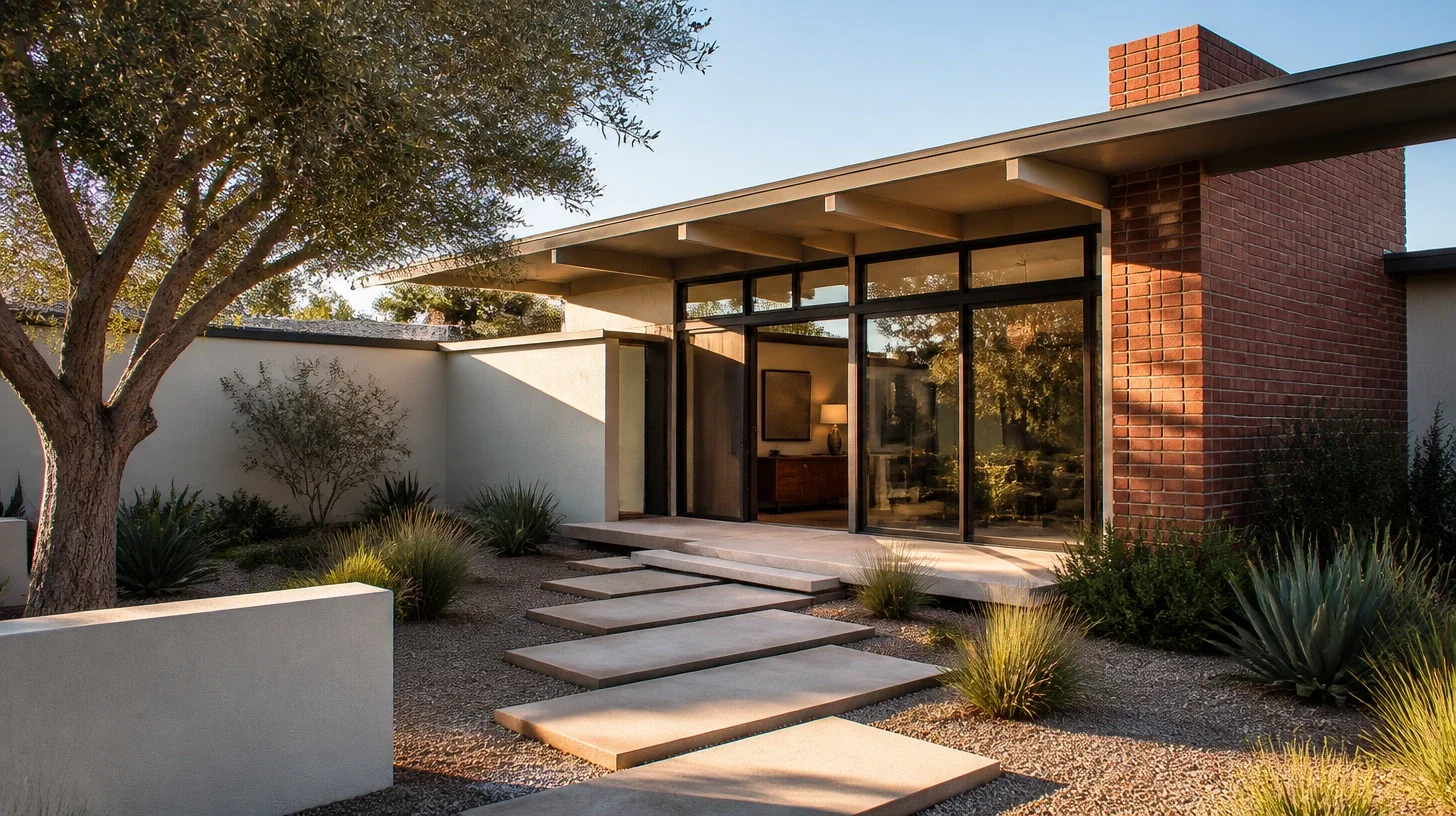
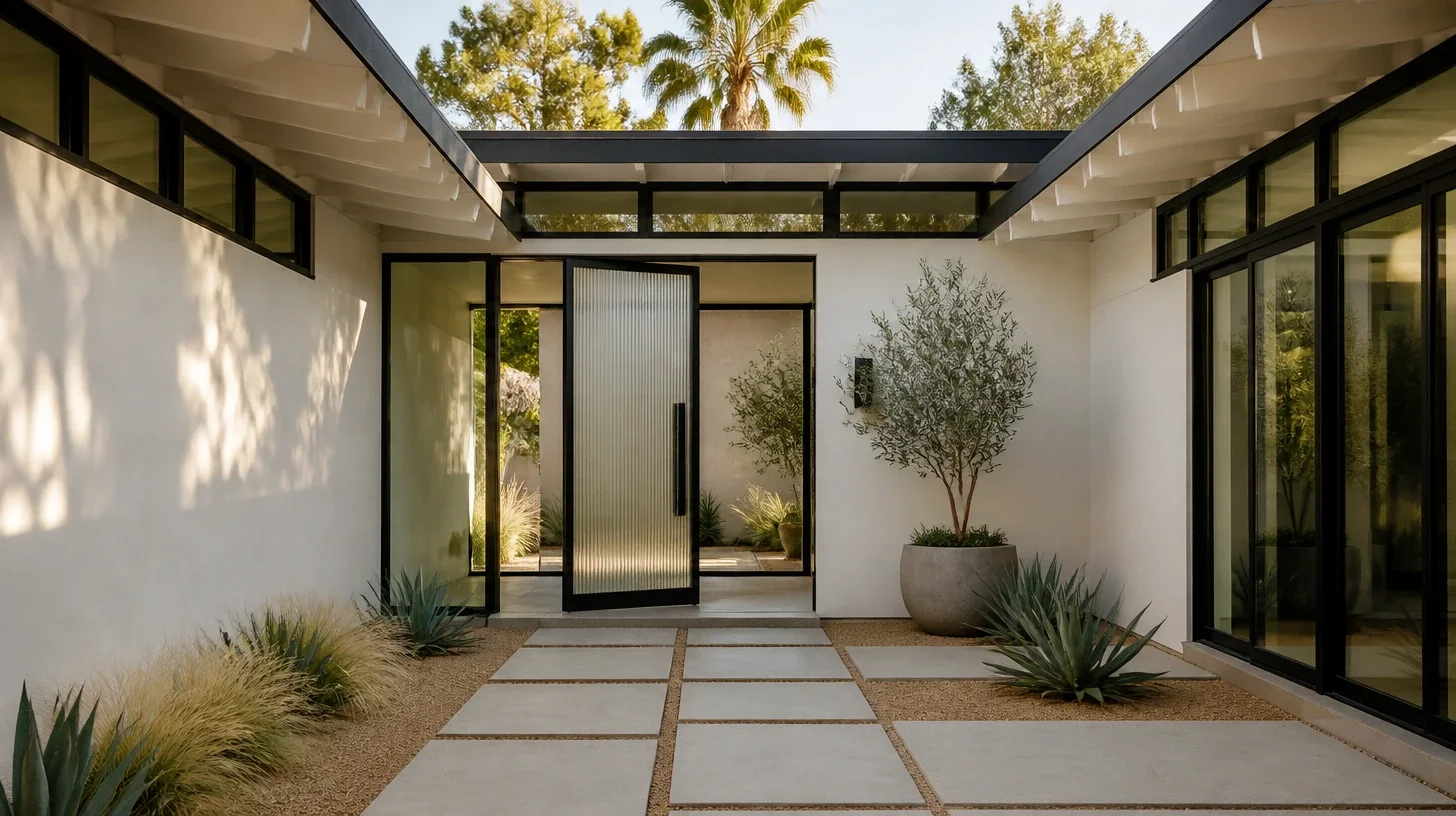
Two thirds of Whittier housing predates 1960. Across Los Angeles County it is a little over two fifths. The 1950s alone account for 38.5 percent of the stock here against 19.2 percent countywide, and the housing built before 1940 is slightly below the county share.
SEVENTY YEARS OF WORK NOBODY LOGGED
A house of that age has been added to, repaired, rewired, re-roofed and sometimes let out, by people the person inheriting it may never have met. The effective date sits somewhere in the middle of that history rather than at the start of it.
THE VALUATION DOES NOT NEED YOUR MEMORY
This is where this page parts company with most of what you will read. The question is not whether you can account for seventy years. It is what can be established from what survives: permits, prior listings, photographs, aerial imagery, county records, and whatever anybody does still know.
WE WILL NOT GUESS AT WHAT WE CANNOT ESTABLISH
Where the evidence runs out, the report says so and says what was assumed instead. That is a worse-looking document and a more useful one, because anybody relying on it can see exactly where it is thin.
How This Reaches Us
Three Doorways Into This Work
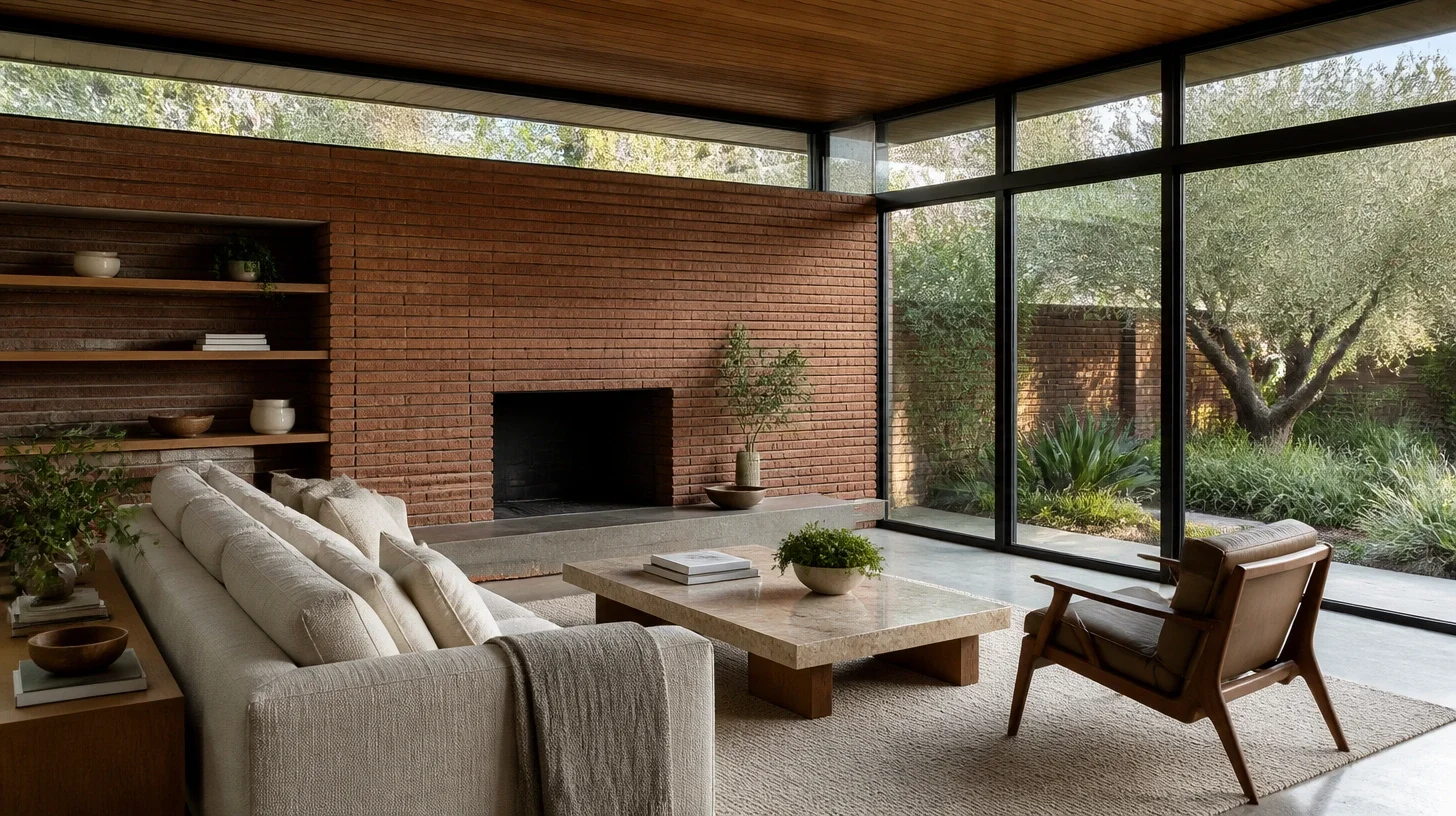
SOMEBODY WHO HAS JUST BEEN GIVEN A HOUSE
The transfer has happened. They are not administering an estate and they are not acting for anybody. They have been told, usually by an accountant, that a value as of a particular date will be needed, and they are not certain why.
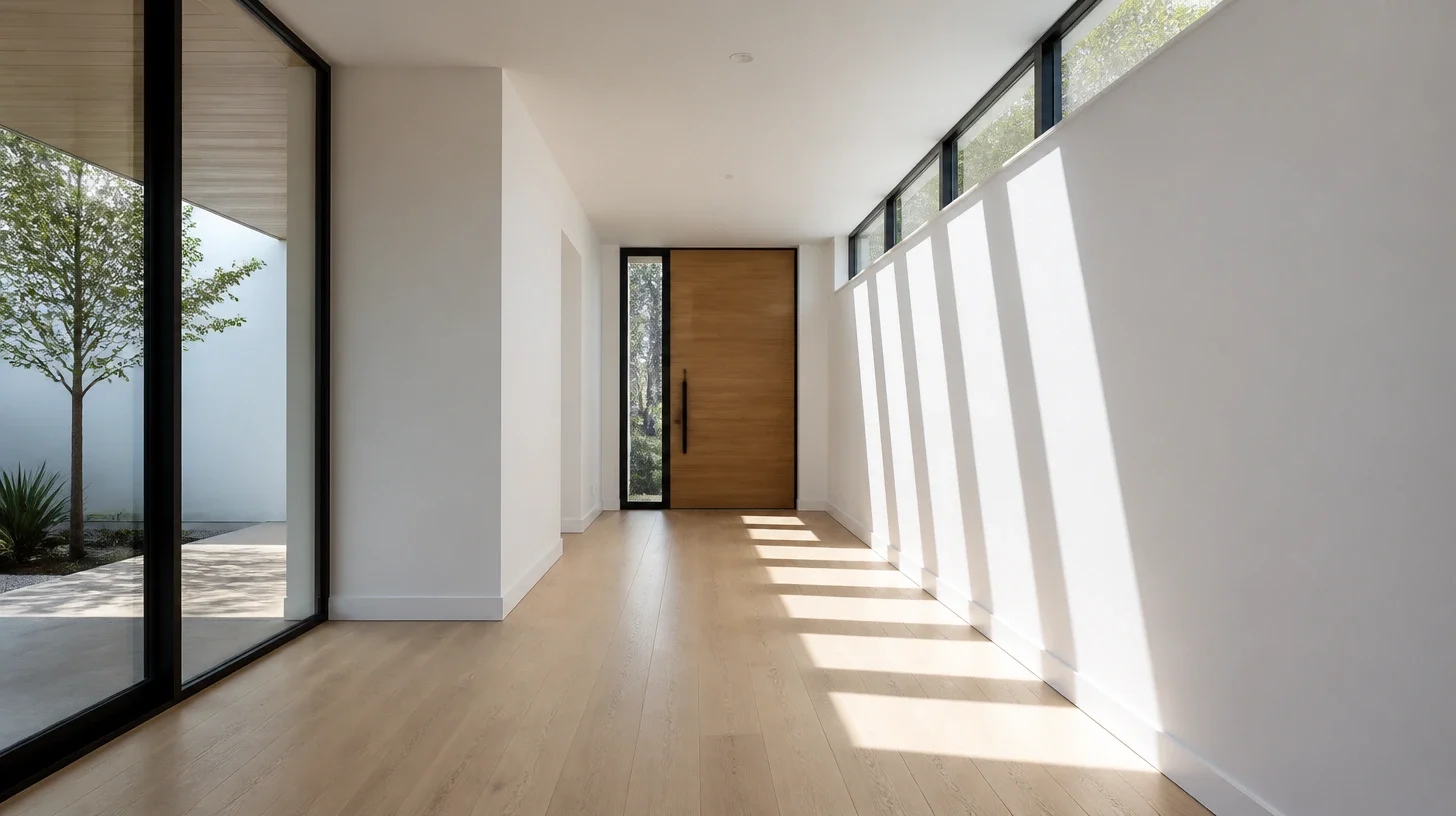
SOMEBODY WHO BARELY KNEW THE PLACE
They grew up elsewhere, or visited twice a year, or were young when the work was done. They are being asked questions about a building they have no history with, and they assume that disqualifies them. It does not.

AN ADVISER WHO NEEDS THE EVIDENCE
An attorney or an accountant with a conclusion of their own to reach, who needs a supportable figure as of a stated date and needs it to survive somebody else reading it closely.
What Holds It Up
Why a Number You Cannot Check Is Still Worth Something
THE COMPARABLES WERE BUILT ALONGSIDE IT
In a city built mostly in one stretch, the houses a subject is measured against are usually its contemporaries: similar age, similar construction, often the same tract. That makes the differences between them easier to isolate and easier to state.
EVERY FACT IS SOURCED OR FLAGGED
A fact from a document is shown with the document. A fact from something you told us is shown as that, with the note that it was not independently verified. You do not have to take the difference on trust; it is on the page.
THE PRICE DOES NOT MOVE WITH THE ANSWER
What is being valued, the effective date, who may rely on it and the fee are settled in writing before any analysis begins, and the fee does not vary with the figure reached.
ONE LICENSED PERSON PUTS THEIR NAME TO IT
The report is signed by an individual who can be asked about it later, rather than issued by a department.
YOU SEND WHAT YOU HAVE, NOT WHAT YOU SHOULD HAVE
A retrospective assignment runs on whatever survives. Nobody is asked to produce a complete file, and a partial one is worked with rather than turned away.
You Send What You Have
The Success Kit lists what tends to help: the effective date and who instructed it, a death certificate or equivalent, trust or deed records, prior appraisals and listings, permits and records of work, and photographs from near the date. It opens by saying you do not need to reconstruct everything yourself, and that is not a courtesy. Incomplete records do not stop a retrospective appraisal; they get evaluated and reported.
How We Work
Why We Spend Time You Cannot See BODY Most of the hours in a retrospective assignment go into sales that never appear in the conclusion: found, tested against the subject as it stood then, and set aside with a reason.
A conclusion shows none of that. It is the difference between a figure somebody can rely on and a figure somebody can only accept.
The Sequence
The Date Is Instructed, Never Chosen
An assignment, with a date somebody else chose
Somebody outside this office fixes the date: an attorney, an accountant, a trustee or the court. Where you have been given that instruction we take it exactly as given, and where it is unclear we say so rather than pick one.
Who may lean on it, set down in the report
The report names its readers. Anyone not named on it is told, in the same paragraph, that it was not written for them, so reliance is something the report grants rather than something a reader assumes by holding a copy.
Sales from the same years, tested for likeness
Transactions from around the effective date are collected and tested against the subject as it stood then, not as it stands now.
Your documents, read and weighed
Whatever you send is reviewed before the visit, so the inspection confirms a picture instead of starting one.
A visit, and notes on what is there now
The property is inspected and recorded as it is today, because today is the only fixed point any earlier date can be reasoned from.
An opinion, with its reasoning attached
Changes since the effective date are identified and removed, the analysis is reconciled, and the value is delivered as of the instructed date to the users named in it.
Straight Answers
Questions We Get After a House Passes On
Should a court still be involved and the house not yet be yours, our Whittier Probate Appraisal page covers that situation instead.
I never lived in this house. How can I say what it was like back then?
You are not expected to, and the work does not depend on it. What establishes condition at a past date is evidence rather than recollection: permits, prior listings and their photographs, aerial imagery, county records, insurance or repair paperwork, and anything a neighbour, a tenant, a contractor or another relative can confirm. Your memory helps where you have it. Where you do not, the report says so.
The house is older than I am. Does its age change how it is valued?
It changes what has to be established rather than the method. Two thirds of this city was built before 1960, so a house of that age here is ordinary rather than exceptional, and the comparable sales are usually its contemporaries. What age does affect is how much undocumented work may have accumulated, and that is the part we chase.
It was rented out at the time. Does that change the value on that date?
It can, and it is worth telling us early. What the property was doing on the effective date, whether occupied by the family, let to a tenant, standing empty or part way through work, bears on condition, on what access was possible then, and sometimes on the market a buyer would have been in. The kit asks about it for that reason.
Nobody in the family can tell you anything. Is that a dead end?
No. It is a limitation, and limitations get stated rather than hidden. Where nobody has direct knowledge we rely on documents and imagery, and the report records what could not be established and what was assumed in its place. A figure with its gaps declared is usable. A figure with its gaps concealed is not.
How recent does the photograph have to be to be useful?
Near the effective date matters more than recent. A photograph from a few months either side is strong evidence of condition; one from five years earlier still helps establish what existed. Undated photographs are worth sending too, because other evidence can often date them.
Do I have to decide whether to sell before you value it?
No, and the two decisions are separate. The report states an opinion of value as of the instructed date for a stated use. Whether you keep the property, sell it or transfer it is yours and your advisers to decide, and the figure is the same either way. If your question is not here, ask it and you will get an answer about your own circumstances. We do not give legal, tax or accounting advice, and where a question needs one of those we will say so and say who to ask.
Who Reads It
The Desks It Has to Satisfy
THE HEIR THEMSELVES
Needs a number they can act on without having to defend how it was reached to somebody who knew the house better than they did.
SOMEBODY FILING SOMETHING THAT HAS TO BE RIGHT
Needs the effective date and the intended use stated on the face of the report, in terms that match the document they are producing.
ANOTHER BENEFICIARY, READING IT IN A YEAR
May see it long after the fact, with no knowledge of how it was produced. The reasoning has to still be legible then.
A READER HOPING FOR A DIFFERENT FIGURE
May be a co-owner, an adviser on the other side of something, or a reviewer. A report that satisfies them satisfies everybody else already.
Where We Work
The Whole City, Postwar Tracts and Older Streets
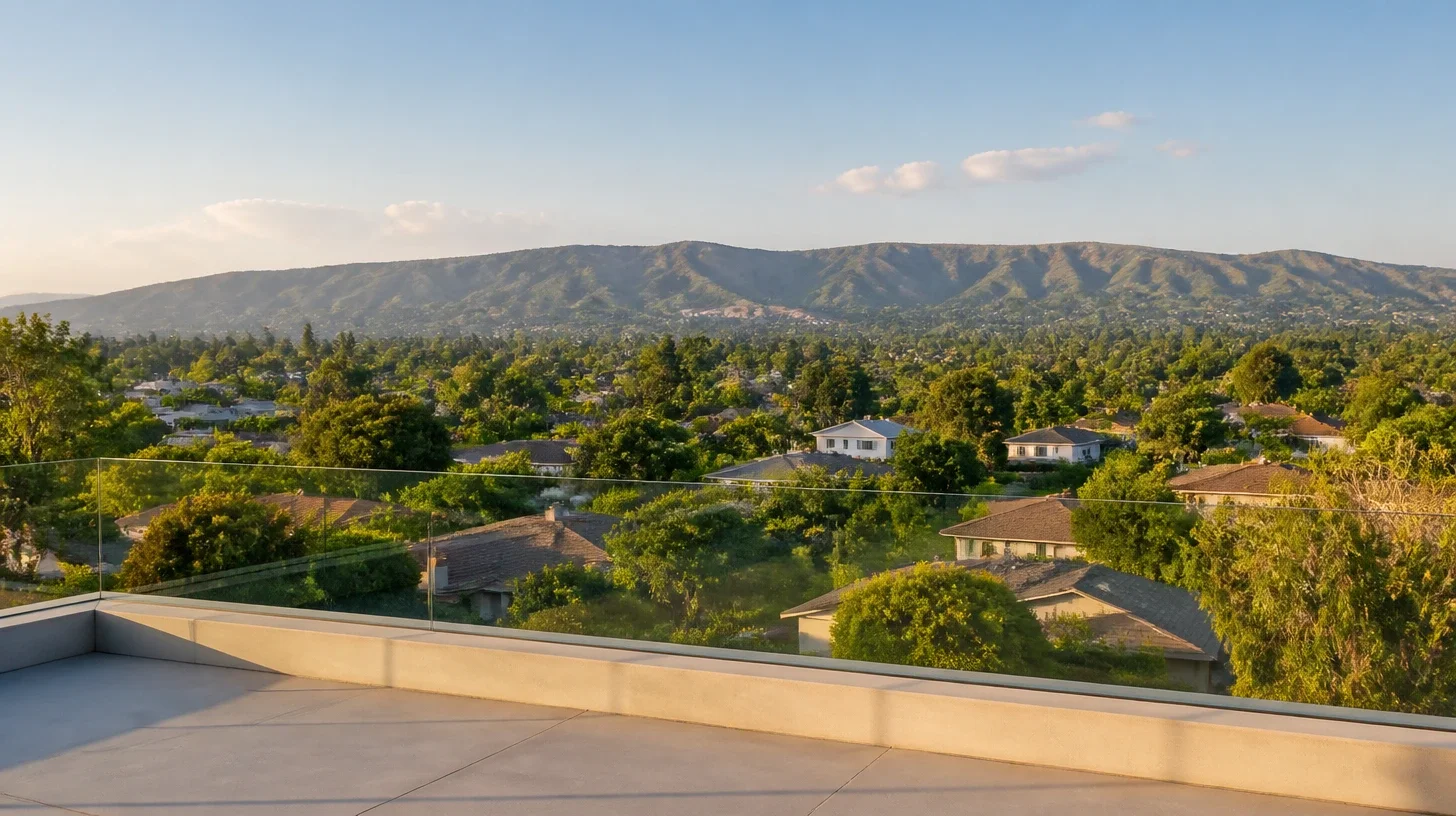
Inherited property anywhere inside the city limits is work we take: the tracts that went up after the war, the older streets near the centre, and the hillside blocks alike.
Nothing on this page describes one part of the city rather than the city.
Worth Reading
A Primer and Two Guides
The WCE Resource Hub
Built for attorneys, accountants and fiduciaries and the people working beside them.
The Whittier Inheritance Success Kit
A checklist of the assignment details, the records that help most, and what to do when you do not have them.
Elsewhere
Inheritance Work Across the County
Cities
What We Need to Open a File
Three answers open a file: which property, as of when, and for whom. With those we can tell you whether the evidence will support what you need, and what it will cost, before you commit to anything.
Or telephone and describe it. Where an appraisal is not the thing you need yet, we would rather say so at that point than later.