


The House Next Door May Not Be a Comparable
It sold, it is the same size, it is on your street. Whether it belongs in the analysis is a separate question, and in this city it comes up more often than most people expect.
What the work covers, who will rely on it and what it costs are settled in writing before anything begins. This page explains how comparables are chosen here and when you are better off not paying for an appraisal at all.
Why the comparable set takes work here
Half the Houses Here Are Somebody’s Investment
Start with the measured part. Across San Bernardino, 48.5 per cent of occupied homes are lived in by their owners. Across San Bernardino County the figure is 61.5 per cent. The city is a renter-majority city sitting inside an owner-majority county.
Now the part that is reasoning rather than measurement, and we would rather label it than dress it up. A tenure mix like that means some of the recent sales near you were bought by people who were never going to move in. Nothing in the census counts those transactions; what it counts is who lives in the housing afterwards. The inference is ours and it is a fair one, but it is an inference.
Why it matters is straightforward. Somebody buying a house to live in and somebody buying the same house to let are solving different problems, and they pay attention to different things. Neither is the wrong kind of buyer and neither pays a wrong price. But two sales at the same address on the same day for those two reasons would not necessarily land on the same number, and an analysis that treats them as interchangeable is doing less work than it appears to.
So in this city, choosing which nearby sales belong in the comparison is a larger share of the job than it would be somewhere the ownership pattern is uniform. That is not a complaint about the housing stock. It is the reason the reasoning has to be visible on the page rather than assumed. The Success Kit sets out what an appraiser will ask you for.
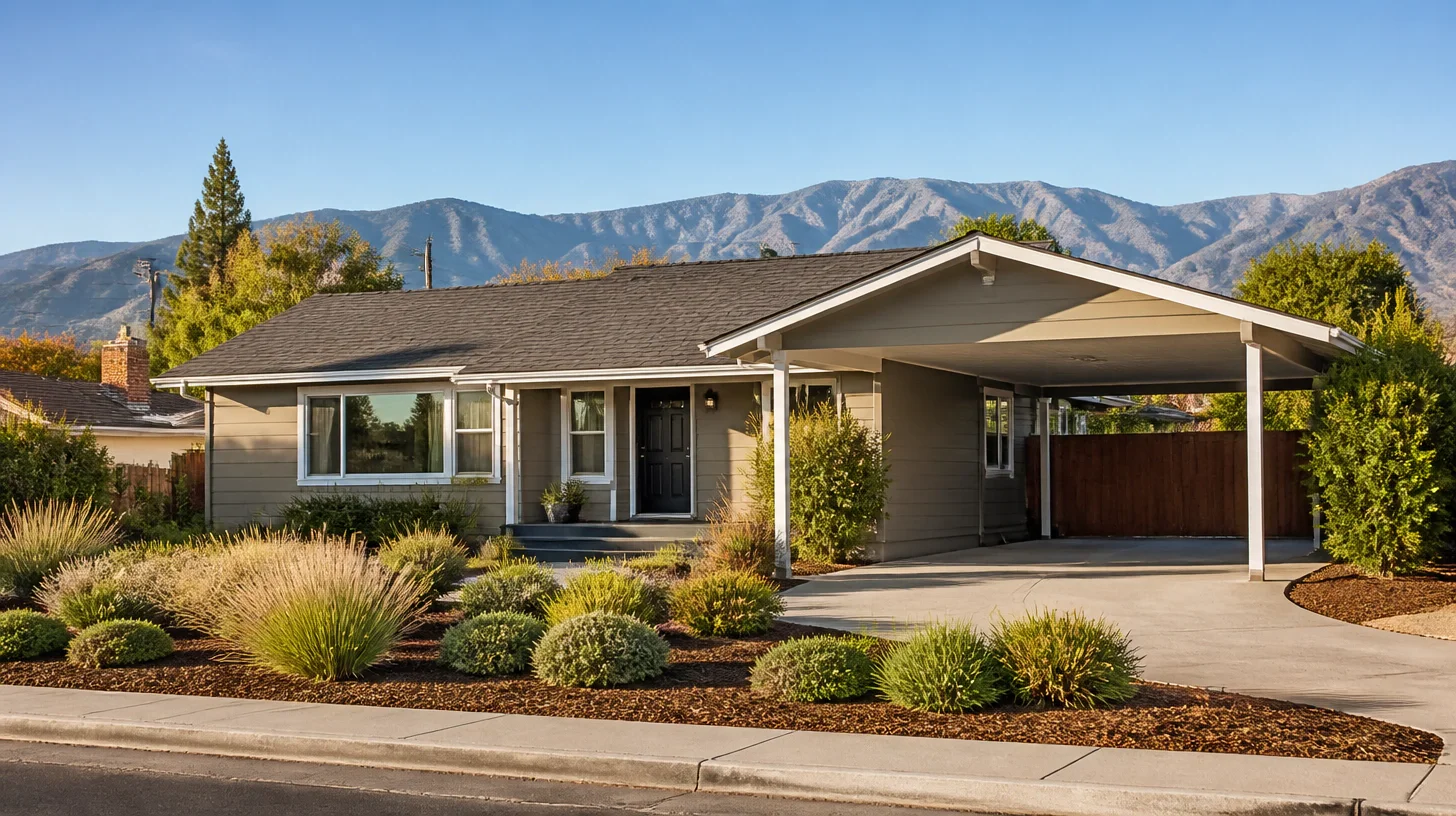
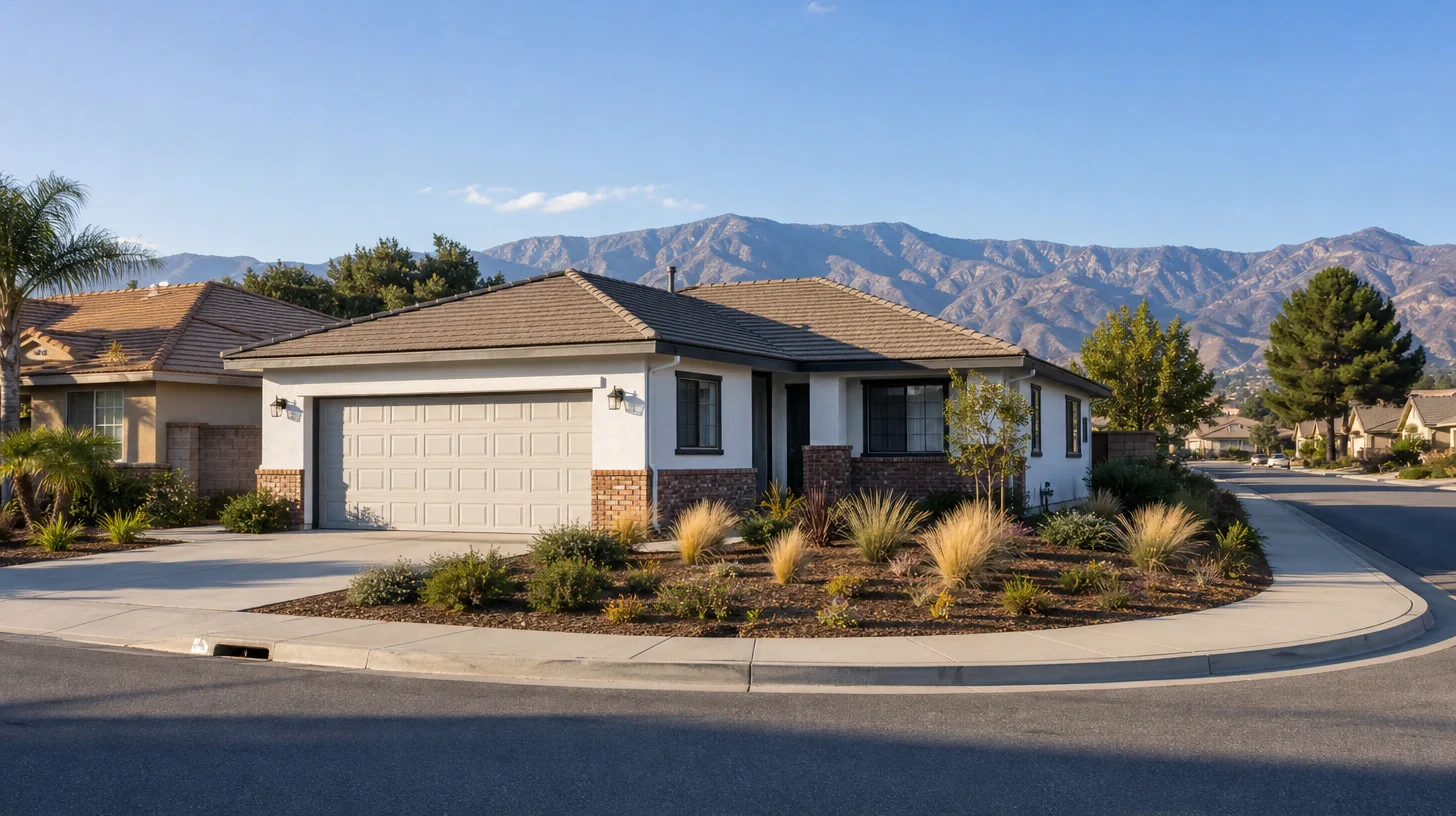
Three ways this comes up
When an Estimate Stops Being Enough
A LENDER OR A PROGRAMME NEEDS A FIGURE
Somebody who is not you has to accept the number, and they will hold it to a standard they wrote rather than one you agreed to. That does not change the method. It changes how much weight the choice of comparables has to carry, because a reader with no stake in your house has no reason to take any of it on trust.
YOU ARE SELLING AND THE ONLINE NUMBERS DISAGREE
Two sites give two answers and neither shows its working. What you need is not a third number but a stated method: which sales were used, why those, and what was adjusted.
NOBODY IS ASKING AND YOU WANT TO KNOW WHERE YOU STAND
No lender, no sale, no deadline. This is a legitimate reason and we treat it as one. It is also the case where a free estimate most often turns out to be enough, and we will say so if it is.
What the opinion rests on
The Comparables Are Named and the Reasons Are Given
Where the sale record is mixed, selection carries most of the weight. So the report states which transactions were used and what made each one comparable, what was adjusted and on what evidence, and what could not be established at all.
Where the evidence ran out we write that down. A report claiming more certainty than it has survives one careful reader, and the person it strands is whoever relied on it.
The fee follows the scope, is agreed before work begins, and does not move with the figure the analysis reaches.
What an appraiser will ask you for
What to have ready before an appraiser arrives, which documents actually change an analysis and which merely reassure, and the questions worth asking about scope before you agree to anything.
Where our work stops
A Method You Can Check, and a Line We Do Not Cross
Anyone can assert accuracy. What can be examined is whether the reasoning is visible: which sales, why those, what was adjusted, what was not established.
We value the property. We do not advise on whether to sell, hold, refinance or let it, and we give no tax or legal advice. Where a free instrument would answer your question, we would rather tell you than take the work. More about West Coast Evaluation.
How the work runs
What Decides the Cost Is Settled in the First Two Steps
One. What is the figure for, and who will rely on it. That decides the scope, and the scope decides the fee. Both are fixed in writing before any work begins, and neither moves afterwards.
Two. Is an appraisal the right instrument at all. There are cheaper routes to a number here and one or two of them cost nothing. What separates them from an appraisal is not care taken but standing: none of them produces an opinion anybody is obliged to act on. Where nobody has to rely on your number, the cheap route is usually the right one, and this is the step at which we would rather say so than the invoice.
Three. The record. Permits, prior listings, the tax record and the sales around the property, including which of them were owner purchases and which were not, so far as the record shows it.
Four. The property, inspected and described as found.
Five. The analysis. This is where the work is: a short list of genuinely comparable sales, the reasoning that qualifies each one, and the adjustments with their basis stated.
Six. The report, with its limits in it rather than left to be discovered, and we stay available to explain it to whoever has to rely on it.
Questions owners actually ask
Cost, Comparables, and What a Free Estimate Leaves Out
Is there a free way to find out what my house is worth?
Several, and for a good number of readers one of them settles it. What none of them produces is an opinion with STANDING, which is the whole of what an appraisal is: a stated purpose, named users, and reasoning somebody outside your household is expected to accept. So the question to ask first is not which method is cheapest but whether anyone has to rely on the answer. If nobody does, take the free route; we would rather tell you that than take the work.
How is the appraised value actually calculated?
It is reasoned rather than computed. An appraiser selects sales that are genuinely comparable to your property, adjusts for the differences between them and yours with evidence for each adjustment, and states what could not be established. The arithmetic is the small part. The selection is the job.
Does the size of the house set the price of the appraisal?
Not on its own. Scope does, and scope comes from what the figure is for and who will rely on it. A straightforward house with clean records and a property with additions nobody documented are not the same job at the same square footage.
Some houses on my street are rentals. Does that affect my value?
Not in the way people usually fear. It does not mark your property down. It affects which nearby sales belong in the comparison, because a buyer who is not going to live somewhere is weighing different things. That is a question about comparable selection, which is our work, not a judgement about your street.
I have online estimates that disagree with each other. Which is right?
Possibly none of them, and the disagreement is the useful part. Automated models learn from recent sales of similar properties; where the sale record is mixed they have less to learn from and they do not tell you which sales they leaned on. An appraisal’s value is that it does.
Do I need to tidy the house or make repairs first?
No. Condition is described as found, and presentation on the day does not move a considered figure. If work has been done that a walkthrough would miss, or documentation exists that the record does not show, that is worth having ready. Cleaning is not.
Who relies on the figure
Who Reads It, and What Each One Is Testing
The owner. Whether this is a number to act on, which comes down to whether the sales standing behind it are ones you would recognise as belonging in the comparison at all.
A lender or a programme administrator, holding an opinion it did not commission to a standard it wrote itself. Selection is where that scrutiny lands first, and in this city there is more of it to scrutinise.
Somebody on the other side of a transaction, looking for the weak comparable. A set that survives being read that way is worth considerably more than a confident total.
A review or an appeal, where the figure is already contested. What decides it there is usually not the analysis but whether its limits were written down or left for the reader to find.
Where we work
The City Itself, and the County Around It
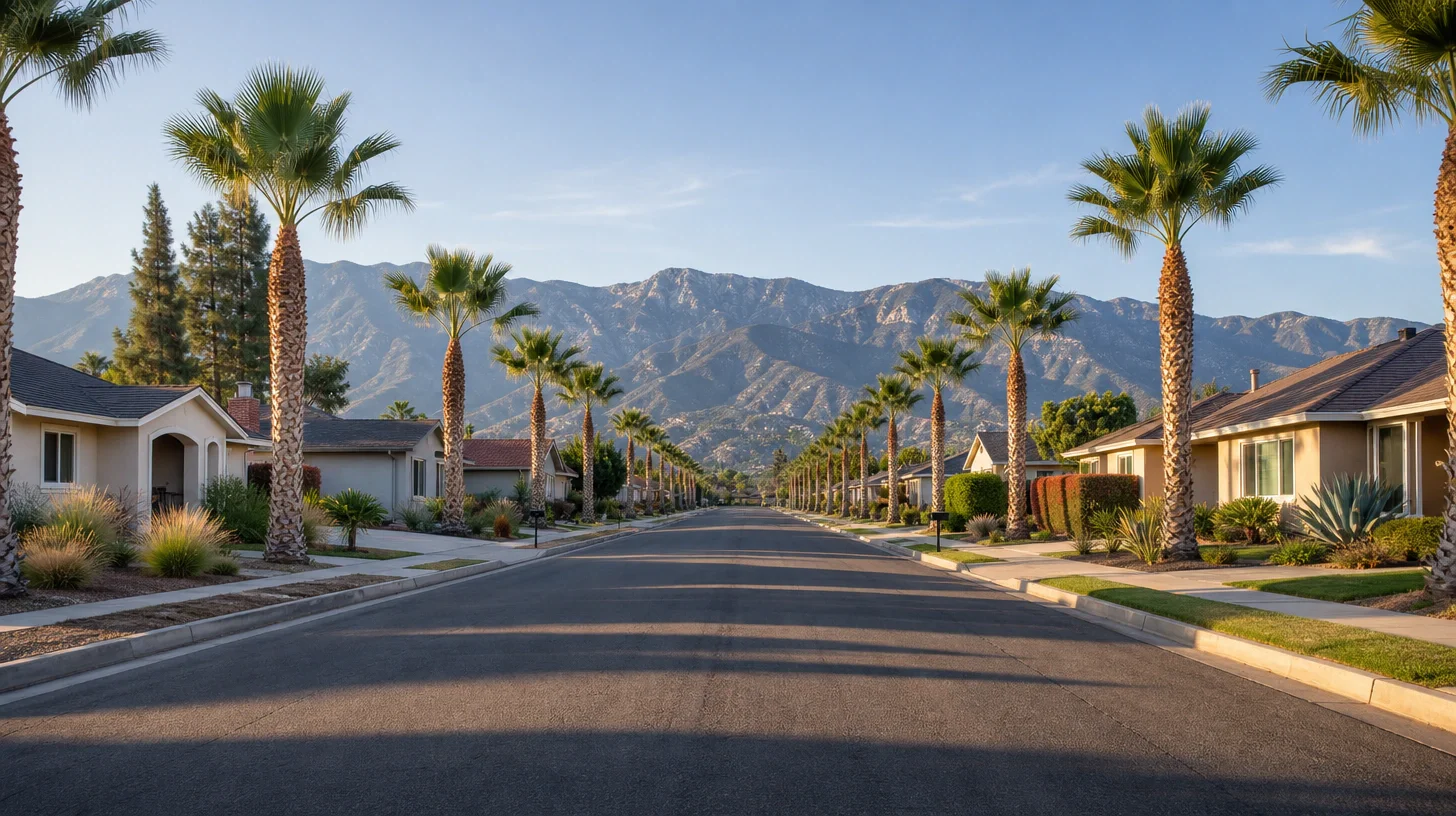
We cover San Bernardino and the wider county, and we keep the two apart because they are not the same place and they do not behave the same way. Rialto, Colton, Highland and Loma Linda are neighbouring cities in their own right, not districts of this one, and a sale in one of them is a sale in another municipality before it is anything else.
Worth reading first
Three Things Worth Reading Before You Commission Anything
THE RESOURCE HUB
Background on how valuations are built and what separates an opinion that holds up from one that does not.
WHAT IS IT WORTH
Working through what actually drives value in a specific property rather than in a market.
THE RESIDENTIAL SUCCESS KIT
What an appraiser will ask for, what genuinely helps an inspection, and what an engagement letter should state before you agree to one.
If this is not your situation
Where to Go Instead
If the valuation is for an estate being administered through the court, that is San Bernardino probate appraisals. If the property sits in a trust, San Bernardino trust appraisals. If it answers to a dissolution, that is San Bernardino divorce appraisals. If you have inherited a property here, San Bernardino inheritance appraisals. And across the Los Angeles region, Los Angeles residential appraisals.
Ask First, Even If the Answer Is That You Do Not Need Us
Say what the number is being asked to settle and who is going to read it. That is enough to set a scope and put a fee against it. And if you have not yet decided whether you need an appraisal at all, ask on that footing instead. Being told that a free estimate covers your situation is a real answer, and it is one we would rather give than not.