


Independent real-property valuation for probate decisions
Santa Monica Probate Appraisal for the Value Question the Estate Actually Has
Clarify whether the estate needs a current or retrospective opinion, which property interest is being valued, who may rely on the report, and how the appraisal relates to the probate referee process.
Two roles can appear in one probate matter
Start by identifying which valuation assignment is required
California probate matters may involve a court-appointed probate referee who appraises estate property for the inventory and appraisal process. An estate may also need a separate independent real-property appraisal for a date-of-death value, a proposed sale, a beneficiary buyout, estate planning, tax reporting, mediation, or another defined use.
Those roles are related to valuation, but they are not interchangeable. The personal representative and counsel should identify the required process and intended use. The appraiser can then define the property interest, effective date, intended users, reporting format, and available evidence.
West Coast Evaluation does not appoint probate referees, decide which filing is required, or provide legal advice. We provide independent real-property valuation services when the estate's assignment calls for them.

Current or retrospective value
Define the effective date before gathering comparables
Date-of-death valuation
A retrospective appraisal reconstructs market value as of the decedent's date of death or another earlier date stated in the engagement. It relies on market evidence and property facts relevant to that date.
Current market value
A current appraisal addresses the market as of a recent effective date and may support a proposed sale, beneficiary buyout, asset distribution discussion, or updated estate decision.
More than one date
Some estates require both an earlier value and a current value. Each opinion should have a separate effective date, scope, evidence set, and clearly stated intended use.
Property interest
The assignment should identify what is being appraised: the whole property, a partial interest, a leased interest, or another legally defined interest supplied by the client and counsel.


Evidence before conclusions
A retrospective opinion depends on facts that belonged to the earlier date
The appraiser researches the subject property's characteristics and the market that existed on the effective date. Later renovations, storm damage, deferred maintenance, occupancy changes, zoning actions, tenancy, or other events should not be projected backward without support.
Useful records can include deeds, assessor information, plans, permits, prior listings, dated photographs, repair invoices, leases, HOA documents, rent-control records, prior appraisals, and estate correspondence that the client is authorized to provide.
When documents conflict, the appraisal should identify the conflict, explain which evidence was relied upon, and disclose material assumptions or limitations. A polished report cannot substitute for missing assignment facts.
Meet the appraisal consortium
Named appraisers with published qualifications
West Coast Evaluation brings together experienced appraisal professionals. The responsible appraiser and exact assignment scope are confirmed during intake.
W. Christian Abad
Certified Residential Appraiser · Expert Witness · Complex Valuation Specialist
More than 20 years of published appraisal experience, including probate, conservatorship, divorce, complex litigation, and expert-witness assignments.
James K. Moore
Certified Real Estate Appraiser · FHA-Approved Appraiser
Southern California appraisal experience since 2005 across single-family homes, condominiums, two-to-four-unit properties, commercial assignments, and estate valuation.
Santa Monica property evidence
Local property conditions can change the research path
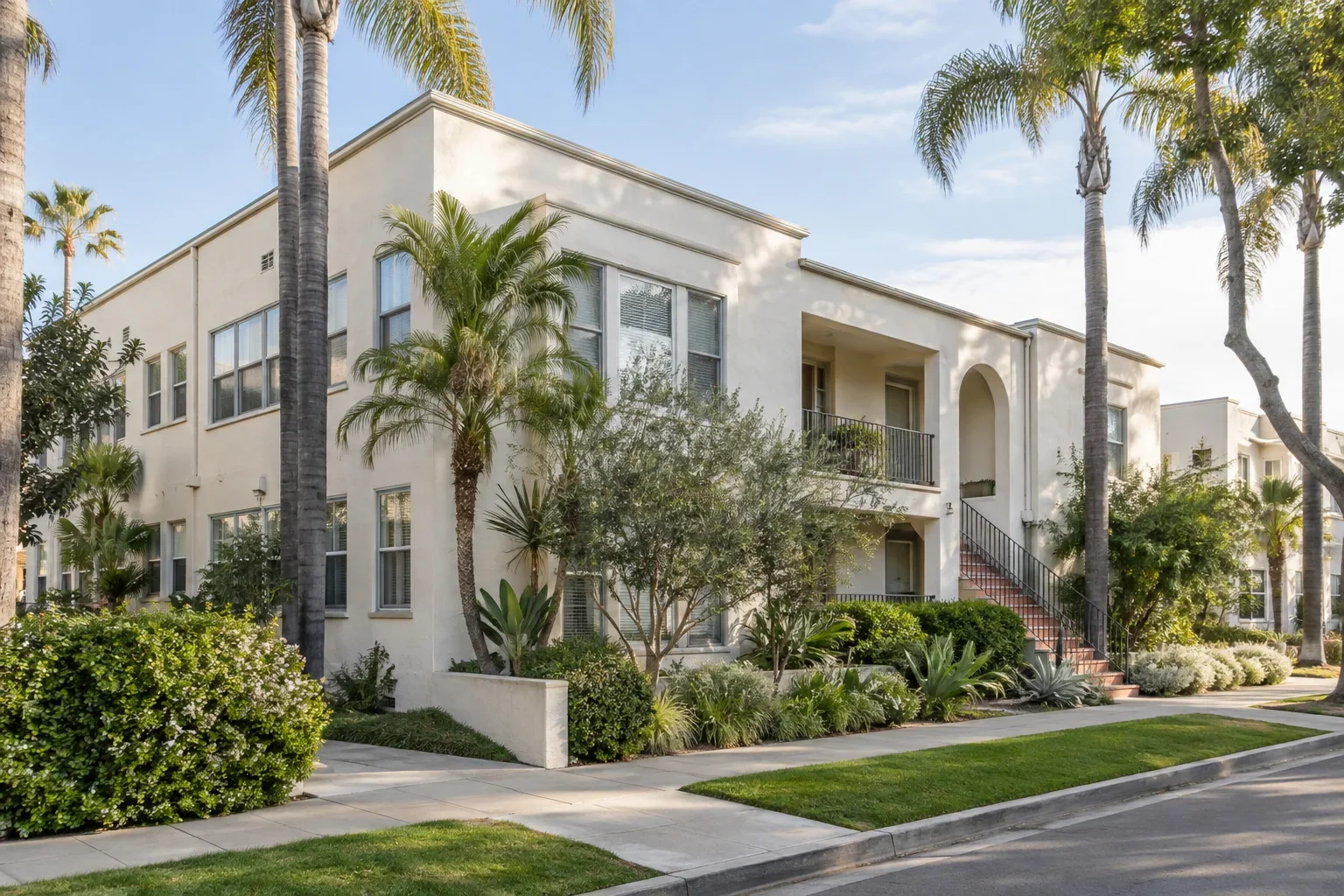
Santa Monica includes single-family residences, condominiums, cooperative or planned-community interests, small income properties, and mixed residential settings. Coastal influence, view orientation, lot utility, building age, parking, condition, remodel history, and proximity effects can matter, but only when the market evidence supports them for the subject.
Condominium and HOA records
Unit location, parking, exclusive-use areas, assessments, reserves, litigation, rules, and project condition may affect the assignment and comparable selection.
Rental and occupancy facts
Leases, registration, tenancy, and applicable rent-control information may be relevant for income or occupied property and should be investigated rather than assumed.
Permits and property history
City and county records can help reconcile additions, renovations, legal use, parcel information, and physical characteristics with what is observed.
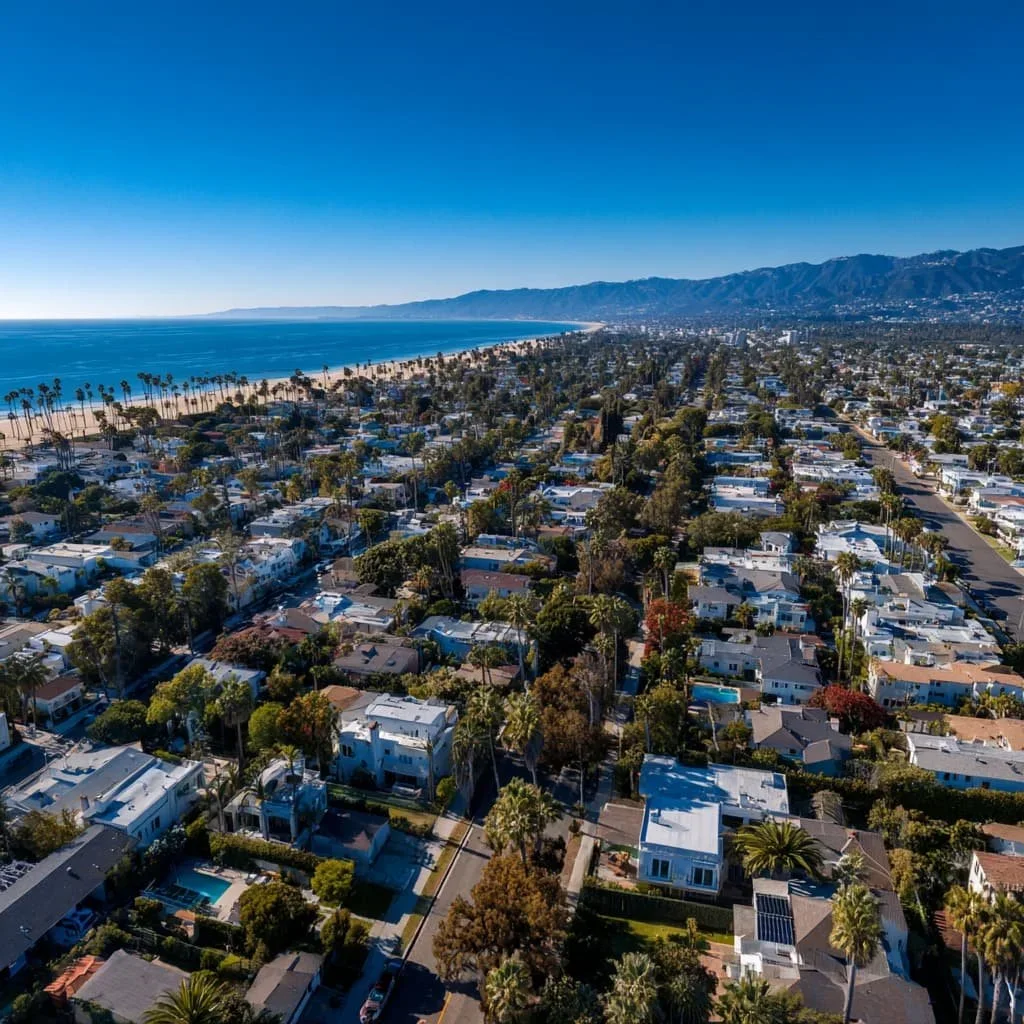
Coastal and neighborhood context
Location labels are only a starting point. The analysis must compare properties with market-supported similarities and differences.
The appraisal process
From assignment definition to written opinion
Confirm the valuation question
Identify the property, effective date, intended use, intended users, property interest, and communication contact.
Collect available records
Gather ownership, estate, property, permit, lease, HOA, photograph, repair, and prior-transaction information that may affect scope.
Inspect and verify
Observe the property when appropriate and reconcile current physical facts with evidence of its condition on the stated date.
Research the relevant market
Analyze sales, listings, rental evidence, and market conditions appropriate to the subject and effective date.
Reconcile the evidence
Explain the approaches, adjustments, assumptions, limitations, and reasoning supporting the opinion.
Deliver to authorized users
Provide the report under the engagement terms and address permitted questions while preserving independence.

Court process and professional boundaries
The appraisal supports the estate decision; it does not make it
The California State Controller explains that probate referees are appointed by the court to appraise estate property for the probate inventory. California Courts form DE-160 is the Inventory and Appraisal form used in that process. A separate real-property appraiser should not imply that an independent report replaces a required referee appraisal or legal filing.
The appraisal also does not decide title, beneficiary rights, distribution terms, tax treatment, litigation strategy, or whether a transaction should occur. Those decisions belong to the personal representative and appropriate legal or tax advisers.
Prepare efficiently
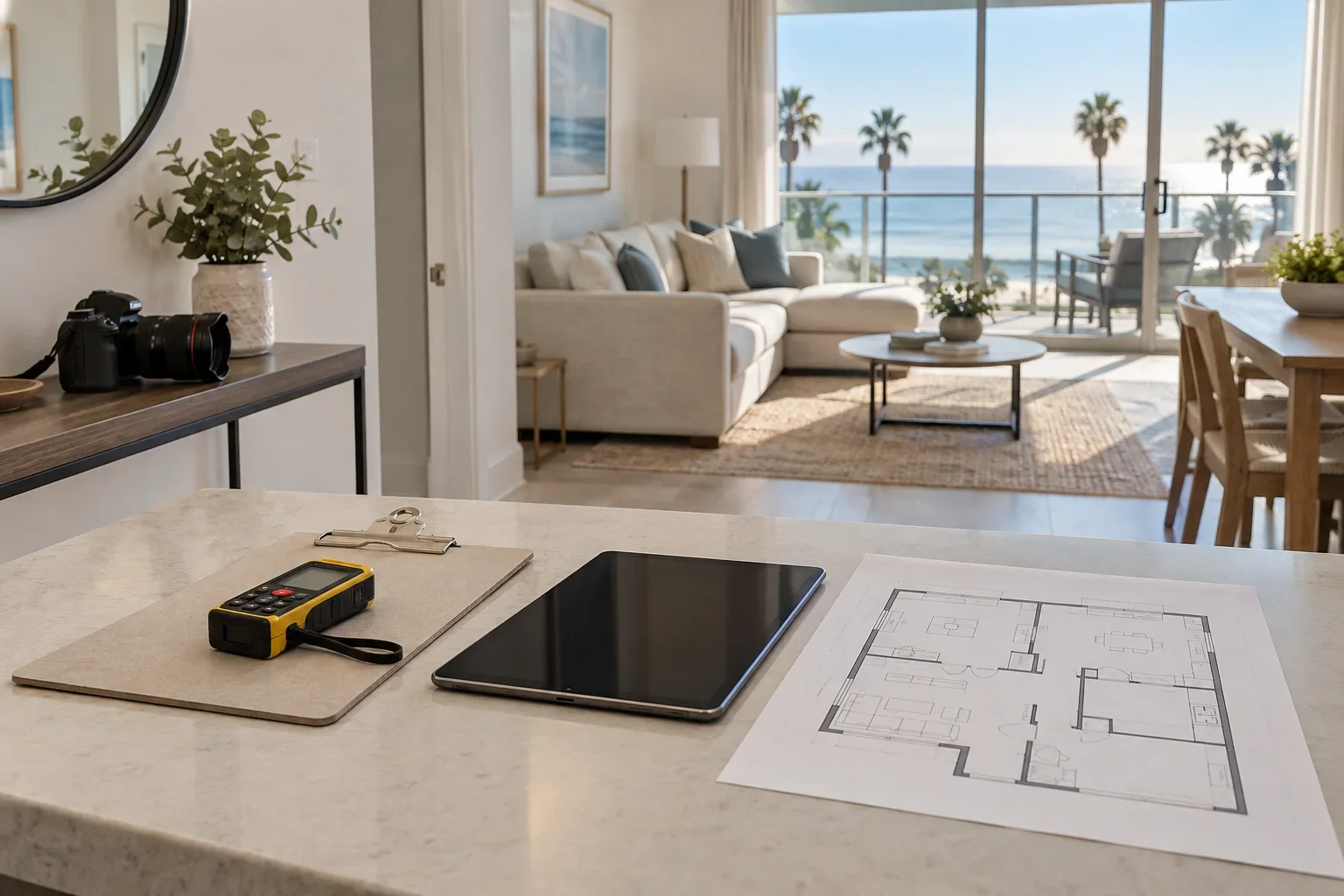
Begin with the records the estate already has
- Property address and assessor parcel number, if available
- Decedent's date of death and any other requested effective date
- Intended use, intended users, and authorized communication contact
- Deed, title, inventory, trust, or estate records relevant to the assignment
- Prior listings, appraisals, purchase documents, and dated photographs
- Known renovations, repairs, damage, or occupancy changes
- HOA documents, leases, and rent-control material when applicable
- Access contact and known scheduling or reporting requirements
Perfect records are not required to begin the conversation. The Probate Appraisal Success Kit helps organize the first intake.
Questions before you engage an appraiser
Santa Monica probate appraisal FAQ
What is the difference between a probate referee and an independent real-property appraiser?
A probate referee is appointed by the court and performs valuation work for the estate inventory process. An independent appraiser may be engaged for a separate real-property value question, such as a retrospective date-of-death opinion, current value, sale decision, beneficiary buyout, or another defined use. Counsel should identify which process the estate requires.
Who chooses the effective date?
The client and appropriate legal or tax advisers identify the date the assignment must address. The appraiser develops the opinion for that stated date and does not decide which date legally controls the estate matter.
Can the same property need retrospective and current values?
Yes. An estate may need an earlier value for one purpose and a current value for another. Each opinion should be separately defined and supported by evidence relevant to its effective date.
What records help with a date-of-death appraisal?
Dated photographs, prior listings, repair records, permits, plans, leases, HOA documents, and information about the property's condition and occupancy near the effective date can help. The necessary record set depends on the property and assignment.
Does an appraisal guarantee court or IRS acceptance?
No. An appraisal provides an independent opinion for a defined intended use. Courts, agencies, and other users decide how a report is treated. The appraiser should describe the scope, evidence, assumptions, and limitations without promising an outcome.
How is the fee determined?
The fee depends on the property, effective date, available records, assignment complexity, intended use, reporting requirements, and any litigation-support needs. Submit the basic facts for an assignment-specific quote.
Related Santa Monica valuation services
Choose the page that matches the assignment
Probate, inheritance, trust, divorce, and residential assignments can involve the same property while asking different valuation questions. Use the service page that best matches the intended use, then confirm the exact scope during intake.

Begin with the facts you have
Request a Santa Monica Probate Appraisal
Send the property address, effective date, intended use, estate contact, and available records. West Coast Evaluation can review the request and define the appropriate next step.
Appraisal services provide independent valuation opinions. Legal and tax questions should be directed to the appropriate adviser.