


Whittier Trust & Estate Appraisals for an Asset That Will Not Come Apart
You are administering a trust or an estate that holds a Whittier property, and somebody needs a value for it as of a particular date. This page is about how that figure gets built and where our part of it ends.
Our role is to reach a value for the assignment we are given and to stop there. What that value means for tax, for administration or for anybody’s rights belongs to your attorney, your accountant or the assessor, and the Success Kit draws that line before we do.
Give us the address, the date the trust or the court has fixed, and the people entitled to lean on the result. That is enough to open a file.
What Is Actually Being Held
Nine in Ten Owned Homes Here Are Whole Houses
That is a fact about the housing stock and not about your trust. It matters because of what follows from it.
So the valuation is not a formality that follows the decision. It is the thing that makes a decision possible at all, and everything after it depends on the figure being right.
Assembling that is the first real task, and it is one we can help with rather than something to finish before making contact.
That is not us being careful. It is the division the Success Kit sets out in its own section 5, and a valuation that wandered across it would be less useful, not more.
A HOUSE IS NOT A SET OF PORTIONS
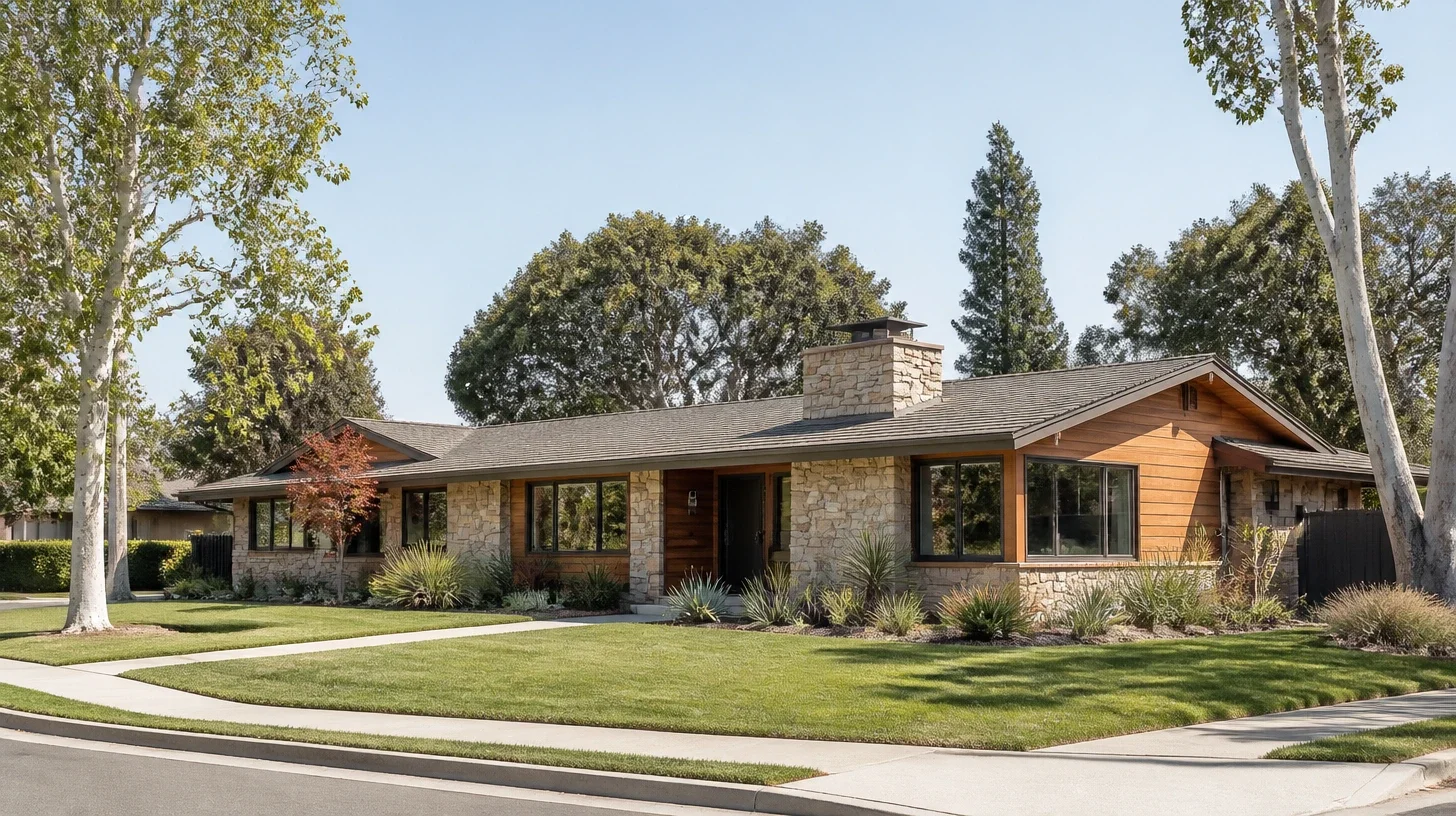
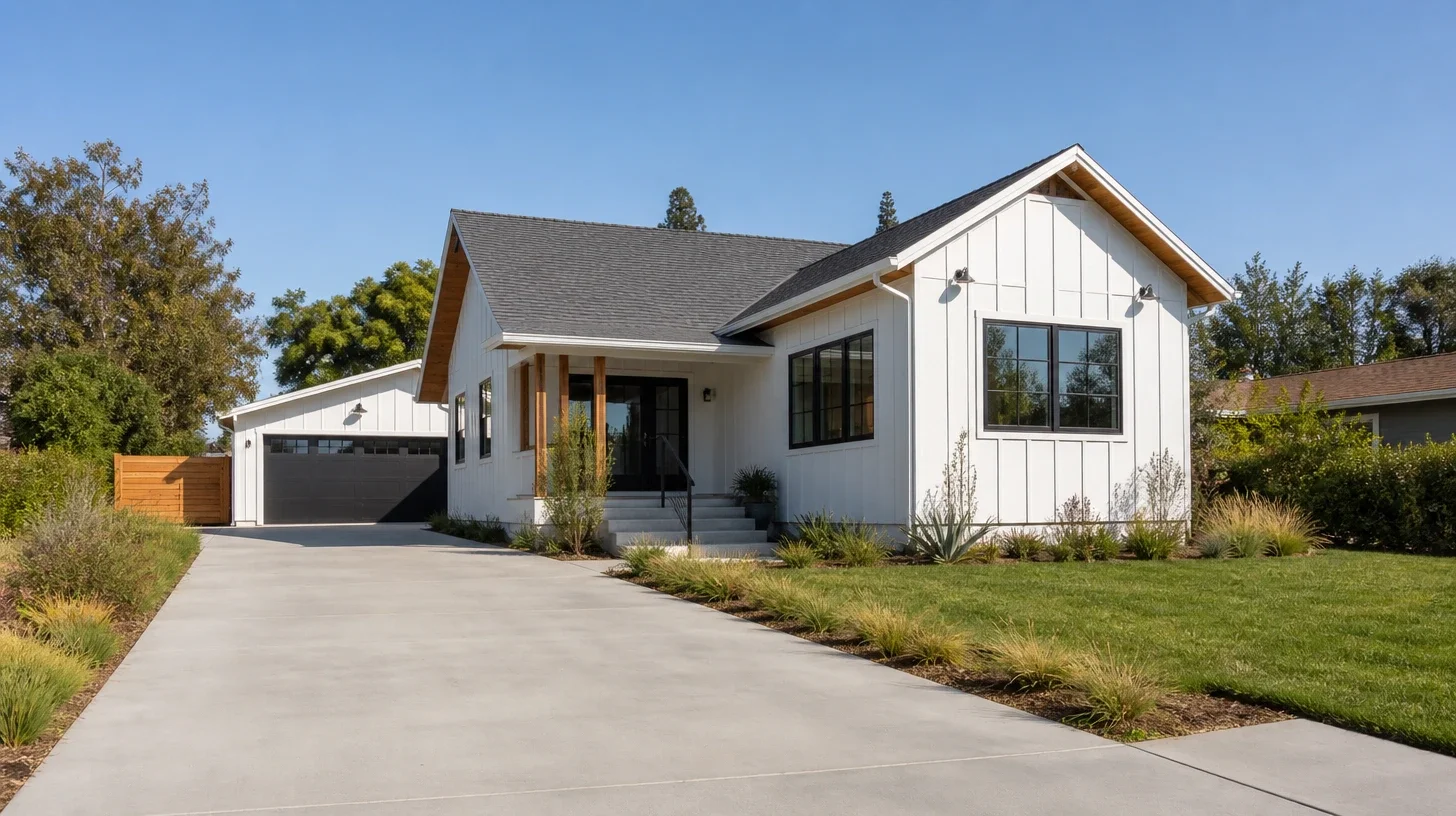
90.3 percent of Whittier’s owner-occupied homes are detached houses, against 80.9 percent across Los Angeles County. Measured against every occupied unit in the city the difference is wider still.
UNTIL IT IS VALUED THERE IS NOTHING TO DIVIDE
An account can be split into portions on a spreadsheet. A detached house cannot. It is one object, and it stays one object whether the document names one beneficiary or six.
THE RECORDS LIVE IN SEVERAL PLACES
The trust instrument sits with one person. The permits sit with the city. The photographs, if they exist, sit with whoever took them. The Success Kit says as much in its opening sentence, and it is the ordinary starting condition rather than a sign that something has gone wrong.
WHERE THIS STOPS AND SOMEBODY ELSE STARTS
We value the property. What the value means for a tax position, for a filing, for anybody’s entitlement or for what should happen next belongs to an attorney, an accountant or the assessor.
Who Gets In Touch
Three Kinds of Caller
A TRUSTEE WITH SOMETHING DUE
Holding a duty rather than a share. There is a date to work to, a property that has to be accounted for, and no obvious place to get a number that will hold up when somebody looks at it later.

AN ADVISER PREPARING A FILING
An attorney or an accountant who already knows what a retrospective opinion is and needs one that states its effective date, its intended use and its intended users on its face.

SOMEONE NAMED IN THE TRUST WHO DID NOT ORDER IT
Reading a document produced for somebody else, with no authority to instruct anybody and every reason to look closely. The report should be legible to them without anyone having to explain it.
What Holds It Up
What Holds an Opinion Up When the Records Are Scattered
COST IS SETTLED AT THE OUTSET AND STAYS THERE
The scope, the effective date, the intended users and the price are agreed before any analysis begins, and none of them moves afterwards.
EACH COMPARABLE APPEARS WITH ITS OWN ADJUSTMENTS
Every sale the opinion leans on is set out with its date and the adjustments applied to it, so a question can be aimed at one line rather than at the conclusion.
A LICENCE NUMBER SITS BESIDE A NAME
The report is signed by a licensed individual who remains available to explain it. A firm cannot answer a question about an adjustment; a person can.
SOURCES ARE ATTACHED TO FACTS, NOT TO CONCLUSIONS
Every fact traces back to a named source or is marked as unverified. Anything you told us appears as something you told us, labelled as such.
RELIANCE IS WRITTEN DOWN, NEVER ASSUMED
Anyone who may lean on this document is set out by name within it. Anyone absent from that list is told so, rather than left to work it out.
A Checklist Worth Working Through
The Success Kit lists what tends to help: the property and access details, the effective date and who instructed it, the trust or deed records, prior appraisals and surveys, permits and records of additions or major repairs, and photographs showing condition near a retrospective date. It closes with the four questions worth having answers to. Nothing on it is a precondition for getting in touch.
How We Work
Why the Slow Version Is the Only One Worth Buying
There is a faster version of this work in which a number appears and the reasoning stays in somebody’s head. It costs less to produce and it is worth nothing the first time anyone asks how it was reached.
Most of what we spend time on never shows up in the conclusion: the sales considered and set aside, and why each was set aside. A trustee acting on a figure needs that to exist somewhere other than in a conversation.
In Order
The Sequence, Beginning With a Date We Are Given
AN INSTRUCTION SETS THE DATE
The trust document, an attorney, an accountant or the court specifies which date the value must speak to. Where you have been given that instruction, we take it exactly as given.
RELIANCE IS RECORDED BEFORE THE WORK OPENS
Both go into the assignment at the beginning, because they change what the document has to do.
EVERYTHING YOU HOLD IS REVIEWED FIRST
Trust records, permits, prior appraisals and photographs are read before anyone visits, so the inspection confirms a picture rather than beginning one.
ONE INSPECTION, CAREFULLY RECORDED
The property is seen and documented as it is now. Today is the only anchor available, and every earlier date is reasoned back from it.
THE MARKET OF THAT PERIOD IS REBUILT
Transactions closing in that window are collected and weighed against the property as it then was.
CHANGES SINCE THE DATE ARE REMOVED AND SHOWN
Repairs, clearing, damage, additions and deferred maintenance since the effective date are identified, taken out of the analysis, and explained in the report rather than quietly absorbed.
Straight Answers
Plain Answers for Trustees and Advisers
A question this list does not reach is still worth putting to us, and the reply will speak to the trust in front of you rather than to trusts in general. Legal and tax conclusions are not ours to draw, and where one is what you actually need we will name the professional who draws it.
Where the matter is a court-supervised administration instead, our Whittier Probate Appraisal page covers that procedure in the same city.
It is one house and there are three of us. What is the number actually for?
It is what turns one indivisible thing into something that can be settled. Nine in ten owned homes in Whittier are detached houses, and a detached house cannot be handed out in portions. Whether the answer is a sale, a buyout or something else is not ours to advise on, but every one of those routes needs a defended figure to start from.
Am I personally on the hook for the figure I use?
You are the one who has to act on it, which is why the report is built to be examined rather than accepted. What your duties actually are, and what follows if a value is later questioned, is a matter for your attorney. We can tell you exactly how a figure was reached and show you every step of it.
The paperwork is spread across three different people. Where do we start?
That is the normal starting condition for this work and the Success Kit says so in its first sentence. Start with the property address, the date you have been instructed to use, and whoever holds the trust document. Everything else can be gathered while the assignment is running.
The trust names a date. Do you use that one?
Yes, unless an attorney or accountant instructs a different one. The date is given to us rather than chosen by us, and where the instruction is unclear we will say so rather than pick one and proceed.
Can the CPA and the attorney both work from the same report?
Generally yes, and say so at the outset if two of them will. Intended use and intended users are written into the assignment, so naming everybody early is simpler than adding somebody afterwards.
There is no photographic record of the house at that time. Then what?
We work from what does exist: permits, prior appraisals, listings, records of work done, and what people who knew the property can tell us. Where something genuinely cannot be established we say so in the report rather than fill the gap with an assumption.
A sale is already agreed. Is a retrospective figure still worth having?
Often yes, because a sale price today and a value as of an earlier date answer different questions, and the second is frequently the one an administration needs. Whether your administration needs it is a question for your accountant or attorney. We can tell you whether the evidence supports one.
Who Uses It
Who Acts on the Figure
THE ONE WHO HAS TO DISTRIBUTE IT
Needs a number they can act on and account for, and did not want the job of choosing it themselves.
AN ADVISER BUILDING SOMETHING ON TOP OF IT
An accountant or attorney whose own work starts where the valuation stops, and who needs the date and the users stated plainly on the face of it.
SOMEONE READING IT LONG AFTER THE FACT
A beneficiary looking at the report years later, with no memory of how it was produced. The reasoning has to still be legible then.
A SUCCESSOR WHO INHERITS THE FILE
A later trustee picking up an administration somebody else began, who has to understand a figure they had no part in commissioning.
Where We Work
Every Property in the City of Whittier
This work is taken anywhere inside the city boundary, on the older streets and the postwar tracts, in the hills and on the flat.
The coverage here is the whole city and not one corner of it.

Worth Reading
Reading for the People Advising You
The WCE Resource Hub
Written for the practitioners who advise trustees and families.
What Is It Worth
An introduction to appraisal itself and to where a value comes from.
The Whittier Trust and Estate Success Kit
What to have ready, what actually helps, and four questions to settle early.
Nearby
Trust and Estate Assignments in Nearby Cities
Cities
What Three Things Get Us Moving
The property, the date you have been instructed to use, and the people who will rely on the report. With those we can tell you whether the evidence supports what the administration needs before anybody commits.
Or call. If the answer is that you need a different professional first, that is the answer you will get.