


Why You Cannot Look Up What a Commercial Building Is Worth
You can look up a house. Type the address, get a number, and it will be roughly right because thousands of broadly similar houses sold this year and a model can learn from them. Nothing equivalent exists for commercial property, and it is not for want of trying.
What the work covers, who will rely on it and what it costs are settled in writing before anything begins. This page explains why the number has to be reasoned instead of retrieved, and who is permitted to sign it.
Why no model can do this
Two Buildings on One Street, and No Honest Way to Compare Them
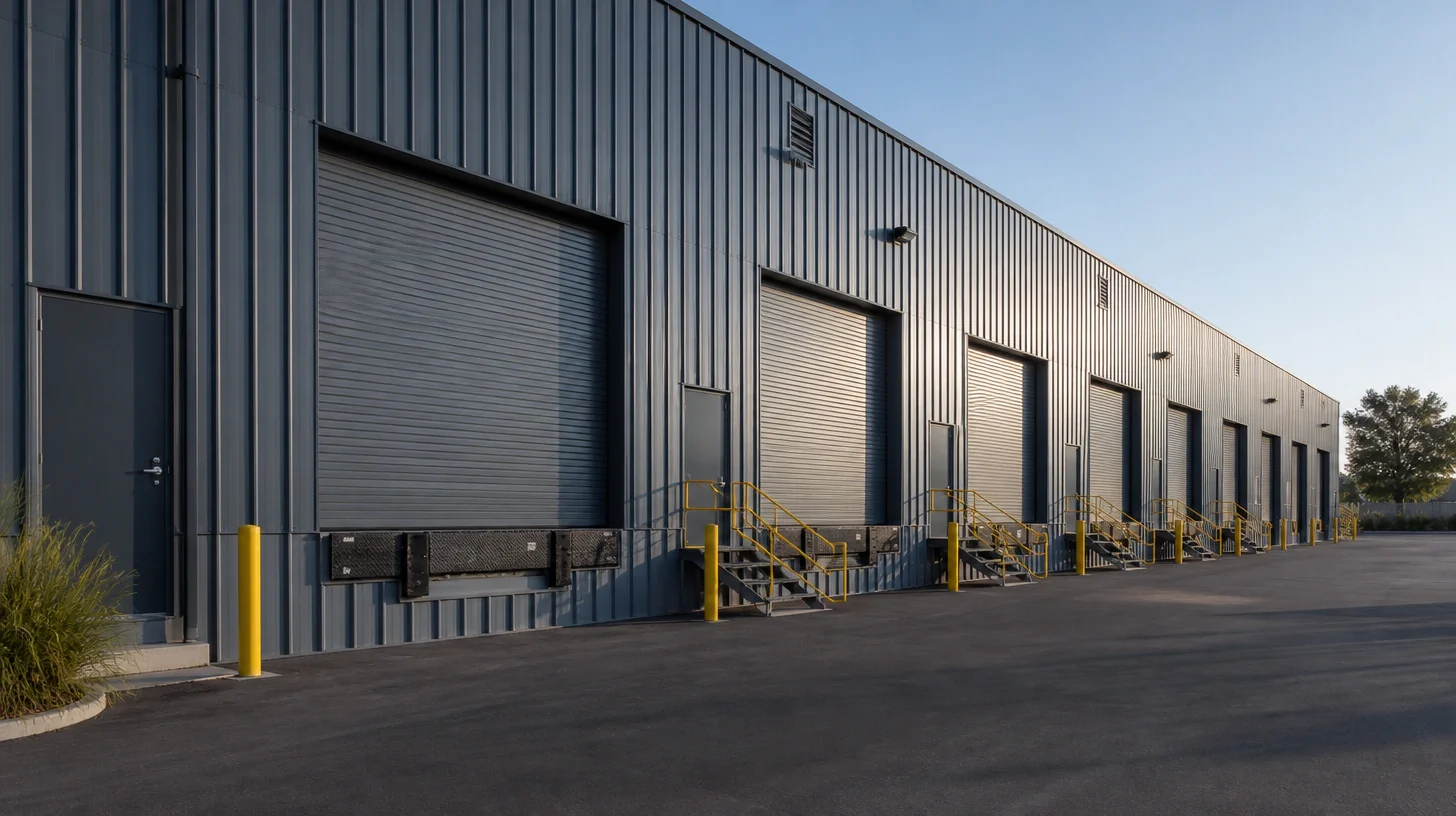
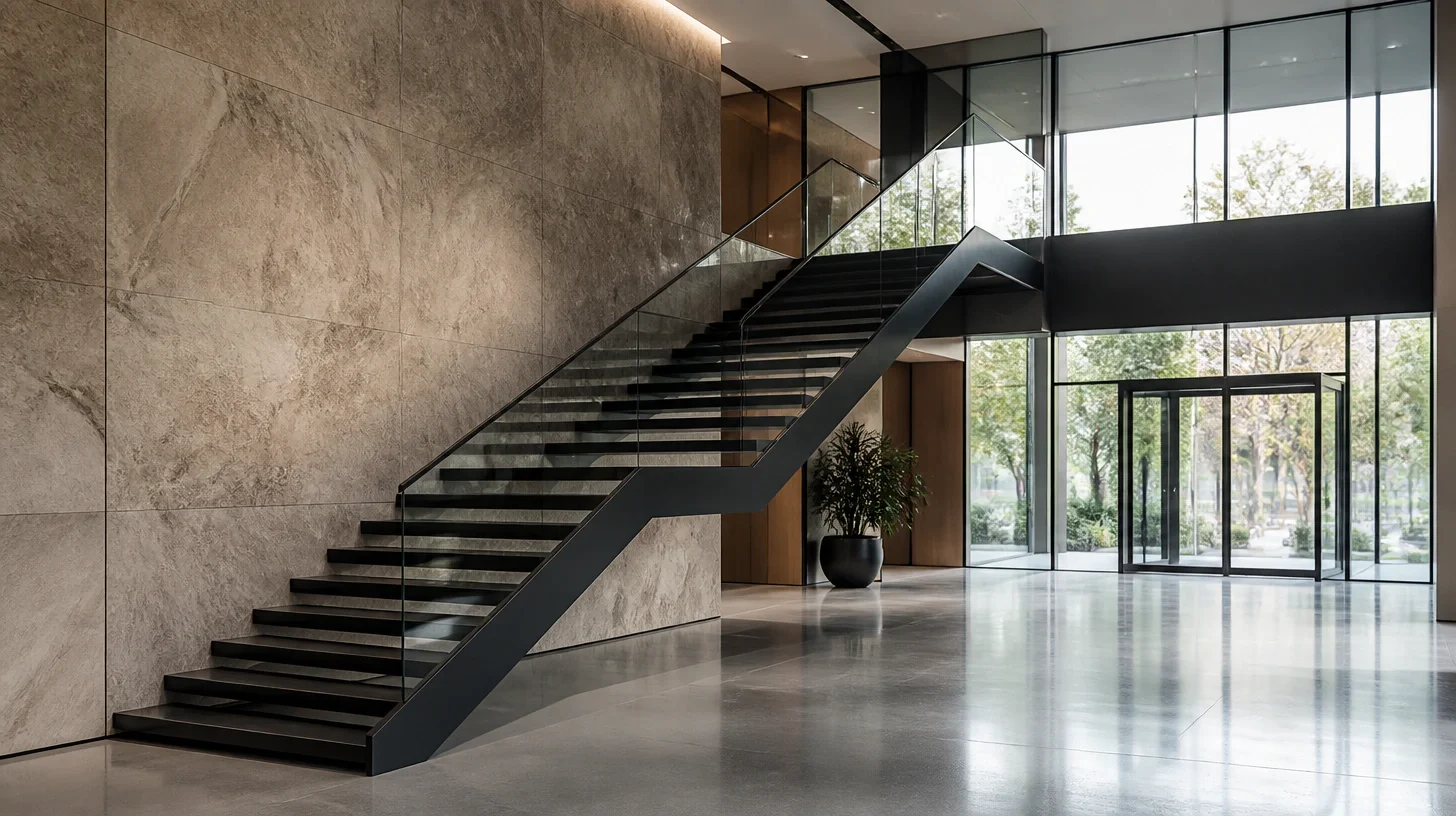
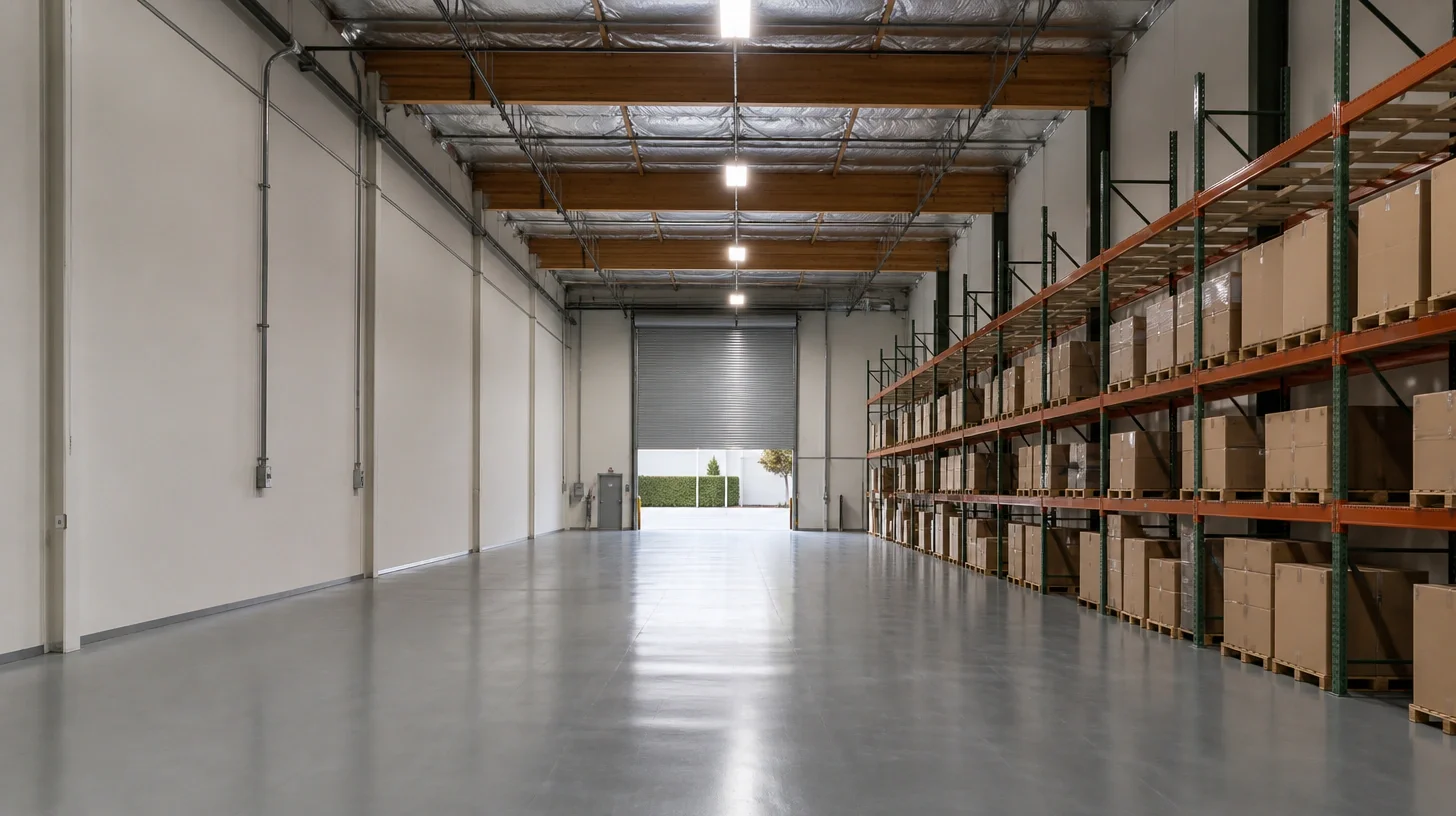
An automated estimate works by finding properties enough like yours that the differences can be adjusted away. That is achievable for houses. It falls apart on commercial property, where a curtain-wall office and a warehouse with six loading docks are both simply commercial buildings and have almost nothing in common as investments.
Culver City makes the problem sharper than most places, and there is a measurable reason.
Nearly eleven per cent of employed Culver City residents work in information, against about four and a half per cent across Los Angeles County. Professional, scientific and management work runs at roughly twenty-four per cent against fourteen. Those are figures about who lives here rather than about who occupies the buildings, and the distinction matters enough that we will not blur it.
What follows from them is reasoning, and we would rather label it than dress it up. An economy that leans this far in one direction tends to build and adapt property for itself. Where that happens, the buildings that trade were bought for particular uses by particular kinds of occupier, and the set of genuinely comparable sales gets thin. A thin, use-specific comparable set is exactly the condition under which an automated model has nothing to learn from.
So the figure has to be built rather than looked up: which method the property calls for, which handful of transactions are genuinely comparable and why those, and what the evidence could not settle. If you want to see what that work needs from you before anybody is instructed, the Success Kit sets out what an appraiser will ask for.

How this usually arrives
Three Reasons Owners Call Us First
A LENDER, A PARTNER OR A BUYER HAS ASKED FOR A NUMBER
Somebody who is not you will read it and test it. What you need is a figure whose method is stated, whose comparables are named, and whose limits are on the page rather than discovered later.
YOU ARE DECIDING SOMETHING AND HAVE NOTHING TO DECIDE WITH
A refinance, a buyout, a lease renewal, an insurance question or an internal disagreement about what the asset is worth. Nobody is requiring an appraisal yet. You simply cannot find a defensible number anywhere.

YOU WERE GIVEN A FIGURE AND CANNOT TELL WHETHER IT IS ANY GOOD
A broker’s opinion, a lender’s internal estimate, an assessor’s roll value or a number from a website. Each answers a different question. Working out which one you are holding is often the whole job.
What the opinion rests on
A Method Named, and Comparables You Can Argue With
Where there are few genuine comparables, the selection carries most of the weight. So the report says which method was applied and why that one, which transactions were used and what made them comparable, what adjustments were made and on what evidence, and what the record could not establish at all.
Gaps get written into the report rather than smoothed over. On commercial property they open more often than on a house, and the reader who finds one you concealed will stop trusting everything else in the document.
What the work costs is settled with the scope, before anything begins, and the conclusion has no bearing on it.
What a commercial appraiser will ask you for
Not a brochure. A working list: which documents matter and why, how a missing one is handled rather than guessed at, and the terms an engagement letter has to fix before you agree to it.
Where our work stops
We Value Real Property, and We Say So Plainly
Anyone can claim accuracy. What can be examined is whether the reasoning is visible: the method, the comparables, the adjustments and the limits.
We do not advise on whether to buy, sell, hold, refinance or lease. We do not give tax or legal advice. We value the real property and we do not value a business operating inside it, which is a different exercise answering a different question. More about West Coast Evaluation.
How the work runs
Six Steps, and the Comparables Are the Hard Part
One. What is the figure for, and who will be entitled to rely on it. That decides the scope, and the scope decides the fee. Both are fixed in writing before work begins.
Two. What the property actually is. Office, retail, flex, industrial, mixed, or something that resists all five. This settles which method applies before any evidence is gathered.
Three. The record. Title, the site, the improvements, the rights being valued, and what documents exist. Anything missing is noted rather than assumed.
Four. The property, inspected and described as found, including what has been built for a particular occupier and what would have to change for a different one.
Five. The analysis. This is where the work is. A short list of genuinely comparable transactions, the reasoning that qualifies each one, and the adjustments with their basis stated.
Six. The report, with its limits in it rather than left to be discovered, and we stay available to explain it to anyone entitled to rely on it.
A note on who may sign it. California licenses appraisers in classes, and a residential licence does not extend to most commercial assignments. The class that does is the Certified General. It is worth asking anyone you approach which one they hold, including us.
Questions owners actually ask
Culver City Commercial Questions
Is there a site like Zillow that gives commercial values?
No, and the absence is structural rather than a gap in the market. Those models work by learning from many recent sales of broadly similar properties. Commercial buildings are not similar to each other in that way and they trade far less often, so there is not enough to learn from. Sites that appear to offer it are usually publishing listing prices or assessor figures, which answer different questions.
There are hardly any similar buildings nearby. What then?
That is the normal condition and it is what the analysis is for. Comparable does not mean identical: it means a transaction whose differences from your property can be identified and adjusted for with evidence. Sometimes that means looking further out, or at a different property type, and the report states what was used and why.
What kind of appraiser is allowed to value a commercial building?
In California the licence classes differ, and a residential licence does not extend to most commercial work. The Certified General class does. It is a fair question to put to anyone you are considering, and the answer is a matter of record rather than opinion.
Can a broker’s opinion be used instead?
Sometimes, depending on who has to rely on it. A broker’s opinion is a view on what a property might fetch, usually prepared by someone with an interest in the transaction. An appraisal is an independent opinion prepared to a standard with its reasoning disclosed. If nobody needs the second thing, we will say so.
Why can’t you just tell me a number over the phone?
Because any number given that way would be a guess wearing a suit. We can tell you quickly what the work would involve, what would drive its scope and what evidence is likely to exist. A figure before that work is done would be worth nothing to you and would be the first thing a reader attacked.
My building is unusual. Does that make it worth less?
Not automatically, and the assumption is worth resisting. Unusual narrows the pool of buyers and narrows the comparable set, which makes the valuation harder to do and easier to do badly. Whether it moves the figure up, down or not at all is a question the evidence answers, not a rule.
What decides what a commercial appraisal costs?
Scope, and scope comes from the first two steps: what the figure is for, who relies on it, and what kind of property it is. A single-tenant building with clean documents and a multi-tenant property with missing records are not the same job. We settle it in writing before starting.
Who relies on the figure
Everyone Who Reads It Is Testing Something Different
You, as the owner or the investor. What you need is a number you can act on and reasoning you can follow when somebody questions it.
A lender, running the report through a review process it designed and you have never seen. What it needs is an opinion that holds up in front of somebody with no stake in the outcome.
A partner, a co-owner or a counterparty. What they need is to see that the figure was reasoned rather than asserted by whoever paid for it.
An accountant or an attorney, using the figure inside something else. What they need is the scope, the method and the limits stated well enough to be relied on in their own work.
Where we work
Five Square Miles, and Very Little of It Alike
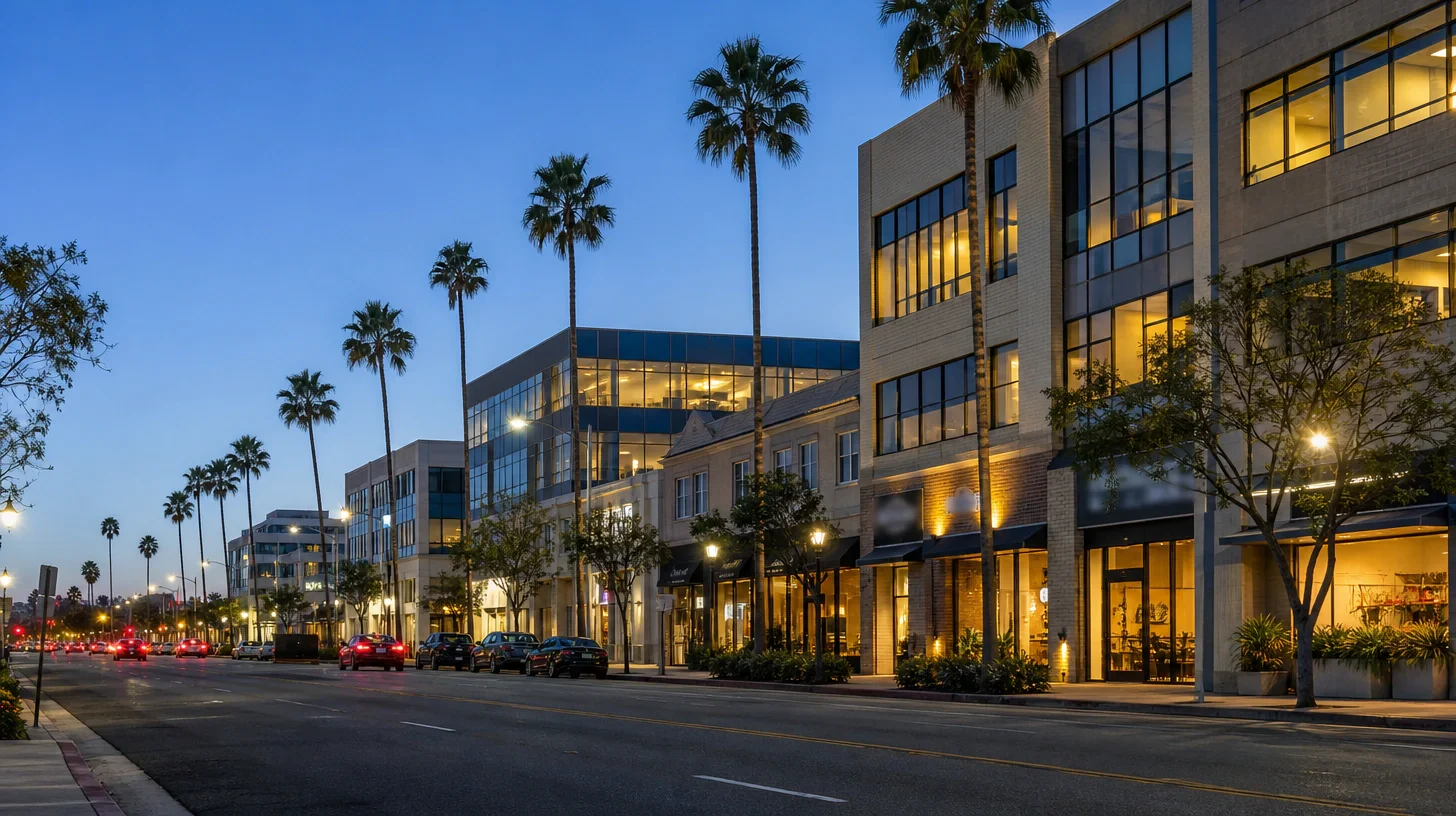
We cover the whole of Culver City and every kind of commercial property in it: the creative-office campuses, the midrise office buildings, the ground-floor retail along the boulevards, and the flex and industrial bays behind them. Those sit within a few minutes of each other and almost none of it is comparable to the rest, which is the point this page has been making throughout.
Worth reading first
Three Things Worth Reading Before Anybody Is Instructed
THE RESOURCE HUB
Background on how valuations are built and what separates an opinion that holds up from one that does not.
WHAT IS IT WORTH
Working through what actually drives value in a specific property rather than in a market.
THE COMMERCIAL SUCCESS KIT
What an appraiser will ask for, what to do about documents you cannot find, and what an engagement letter should state before you agree to one.
If this is not your situation
Where to Go Instead
If the valuation is for an estate being administered through the court, that is Culver City probate appraisals. If the property sits in a trust and the value is needed as of a past date, start with Culver City trust appraisals. If you have inherited and are not sure you need an appraisal at all, Culver City inheritance appraisals answers that directly. If the valuation answers to a dissolution, that is Culver City divorce appraisals. And if the property is a house rather than a commercial building, Culver City residential appraisals.
Tell Us What the Building Is and Who Is Asking
Two things let us scope and price the work: what the building is, and who will lean on the number. If either is beyond you right now, get in touch regardless. Classifying the property for valuation purposes is work we do early in every engagement, and discovering that an appraisal is not what you need is an outcome we are willing to reach out loud.