


What the Estate Holds Decides How It Is Valued
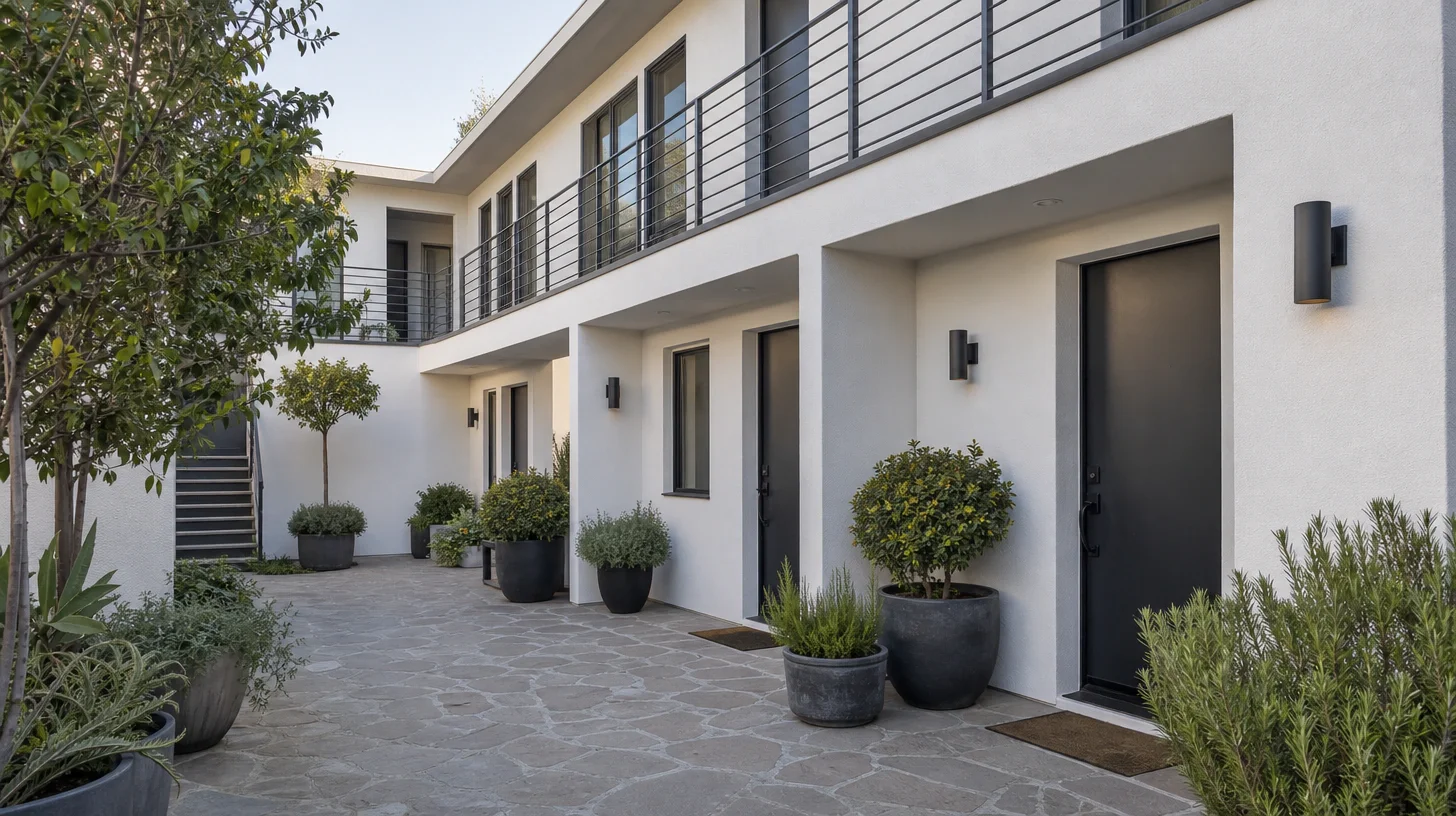
A probate estate in this city does not always contain a house. It may contain a duplex, a triplex, a fourplex or a small courtyard building, and those are valued by a different method against a different comparable set.
Before any work is priced we establish which of those two things the estate is holding, because that decides the method and therefore the cost. This page explains how that decision is made. It does not tell you what the estate’s property is worth, and no page can.
Why the method is settled first
An Estate’s Property Here Is Often Not a House
More than one in ten housing units in Culver City sits in a building of two to four units, against roughly one in twelve across Los Angeles County. Small multi-unit property is a larger part of this city than of the county around it.
That has a consequence for an estate, and it is the reason this page exists.
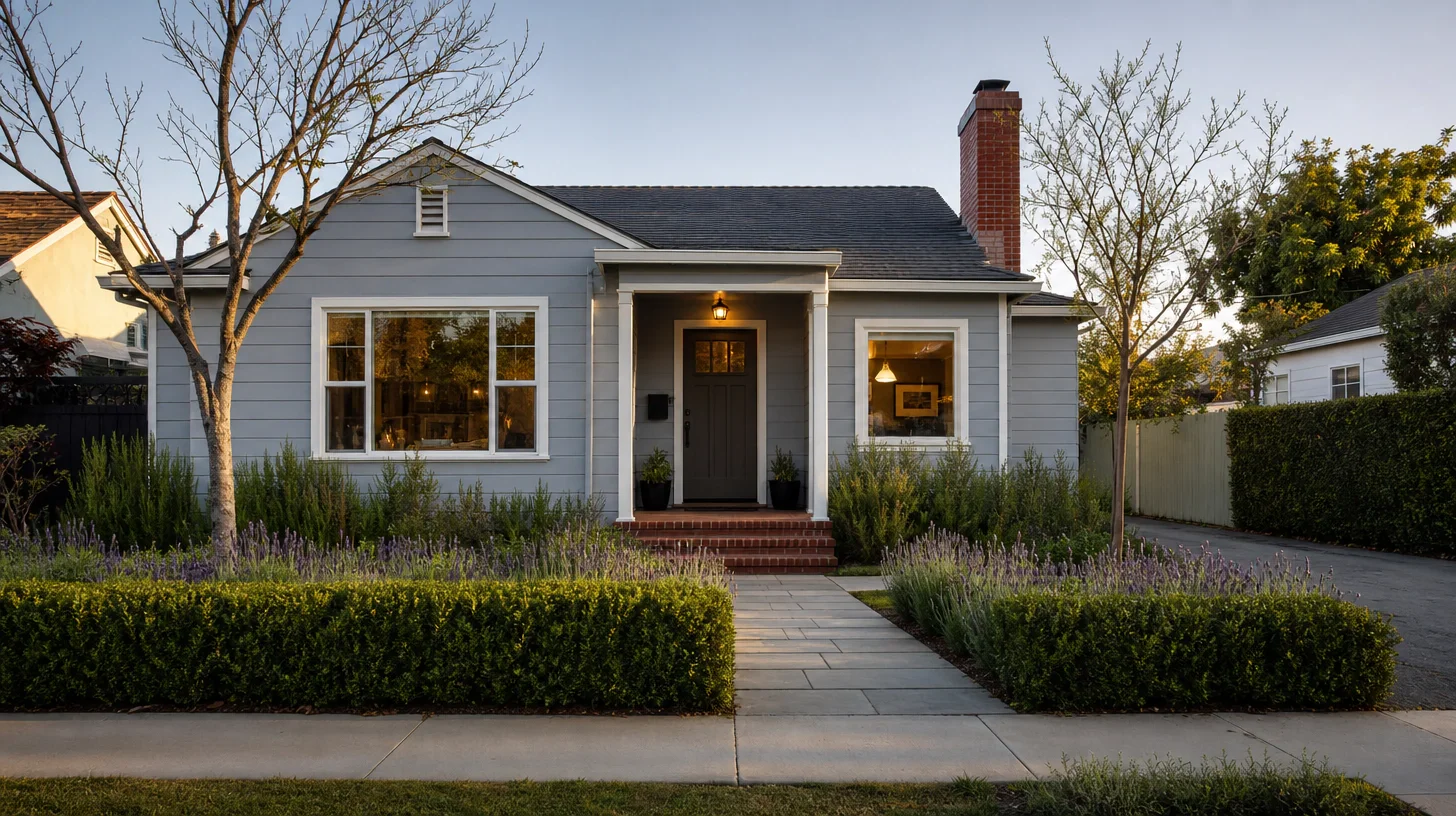
A house is valued against other houses that sold. A two-to-four unit building is income-producing property, and what bears on its value is the rents it actually collects, what the leases say, how long the tenancies have run, what is spent on it each year and what similar small income properties changed hands for. Those are different questions with different evidence behind them.
So the first thing an appraiser has to establish is not a number. It is which of those two problems the property is, because that decides the method, the evidence and how long the work takes. An estate that holds a fourplex and an estate that holds a bungalow are not doing the same job.
You may not know which you are holding, and that is a normal place to start. If you want to see what is worth gathering before anybody is instructed, the Success Kit sets out what an appraiser will ask for.
How this usually arrives
Three Ways a Valuation Becomes Your Problem

YOU HAVE BEEN APPOINTED AND AN INVENTORY IS DUE
Letters have issued and the estate’s real property has to be described and valued. What you need is a figure whose reasoning survives being read by somebody who was not there, and a clear account of what could not be established.

THE PROPERTY HAS TENANTS AND NOBODY KEPT THE PAPERWORK
Rent is coming in, or was. There may be no written leases, no rent roll and no record of what was spent. That is common, it is not a dead end, and what the record does not show becomes a stated limit rather than a guess.
THE BENEFICIARIES DO NOT AGREE ABOUT WHAT IT IS WORTH
Nobody is in dispute yet. One of you thinks the building is worth more than the figure in front of you, and nobody can say why the figure is what it is. Reasoning you can all read is what settles that, or shows it needs settling elsewhere.
What the opinion rests on
Reasoning That Survives Being Read by a Stranger
In an estate the report is read by people who did not commission it and who have no reason to take anything on trust. So it has to carry its own working: which method was applied and on what grounds, which comparables were used and why those, what adjustments were made and on what evidence, and what the record simply could not establish.
Where the evidence ran out we write that down. A report that claims more certainty than it has survives one careful reader, and the person it strands is whoever had to rely on it.
The fee follows the scope, is agreed before work begins, and is unaffected by whatever figure the analysis arrives at.
What an appraiser will ask you for
A checklist rather than a brochure: what is worth gathering before anybody is instructed, what to do when the paperwork is missing, and what an engagement letter should state before you sign one.
Where our work stops
A Method You Can Check, and a Boundary We Keep
Anyone can assert accuracy. What can be examined is whether the reasoning is visible: which method was chosen, why that one, what the comparables were and what the report could not establish.
We are a valuation practice and we say where our work ends. We do not advise on whether to sell, hold or distribute an estate asset, we do not give tax or legal advice, and we do not describe an outcome we cannot control. More about West Coast Evaluation.
How the work runs
The First Two Steps Decide the Other Four
One. What is the figure for. Intended use, and who will be entitled to rely on it. In a probate that usually means more people than the person instructing us.
Two. What kind of property is it. A house, or income-producing property. This settles the method, and the method settles the evidence, the effort and therefore the fee. Both of the first two steps happen before any work is priced.
Three. Scope and fee, in writing. Agreed before anything starts, and not varying with the conclusion.
Four. The record. Permits, prior listings, the tax record, sales around the property and, where the property produces income, the leases and what they actually say. What is missing is noted rather than assumed.
Five. The property. Inspected and described as found. Where there are several units, what is inspected and what is not is stated.
Six. The report. Its limits are stated in it rather than left to be discovered, and we stay available to walk anyone entitled to rely on it through how the figure was reached.
A note on the referee. In a California probate the court appoints a probate referee, and where the law requires the referee’s appraisal a private report does not replace it. An independent appraisal does a different job and we will tell you plainly if you do not need one.
Questions people actually ask
Culver City Probate Questions
The estate owns a duplex, not a house. Is that a different appraisal?
Yes, and the difference is the method rather than the effort. A house is measured against houses that sold. A two-to-four unit building is measured as income-producing property, against other small income properties, with the rents and the leases bearing on the figure. Establishing which one you are holding is the first thing we do, and it changes what we ask you for.
The property is rented out. Does that change how it is valued?
It changes what the evidence is. Occupancy, what the leases say, how long the tenancies have run and what the property costs to run all bear on the figure, and a tenanted property is not automatically worth more or less than an empty one. What matters is that the analysis says which of those it relied on and where the information came from.
Is the assessed value on the tax bill the number probate needs?
No. The assessed value is a tax figure produced by the assessor under rules about what may be reassessed and when, and on a long-held property it can sit a long way from market value. It is a real number and it answers a different question. We can explain what each figure is for; what to do about your tax position is a question for your attorney or accountant.
Does the estate pay for this, or do I?
Ordinarily an appraisal obtained for the administration is an expense of the estate rather than a personal one, but who bears it and how it is accounted for is your attorney’s answer and not ours. What we can settle is the scope and the fee in writing before anything starts, so that whoever pays knows the figure in advance.
There are several of us inheriting. Does one appraisal serve all of us?
Usually. The report names who may rely on it, and the point of visible reasoning is that everyone entitled to read it can follow how the figure was reached. Where somebody disagrees, what they can examine is the method and the comparables rather than an opinion they have to take on trust.
Do all of the units have to be inspected?
Not always, and the report says what was seen and what was not. Access to a tenanted unit is not always available and that is normal. What is not acceptable is a report that quietly implies a level of inspection that did not happen, so unseen units are recorded as a stated limit.
What if the rents on the building are below market?
That is common on a long-held property and it does not embarrass anyone. It is a fact about the property that the analysis has to account for openly: what is being collected, what similar space achieves, and what the difference means for the figure. Concealing it would make the report easier to write and easier to take apart.
Who relies on the figure
Four People Will Read This, and Not for the Same Reason
You, as the personal representative. What you need is a figure you can put forward and explain, and a clear account of what it does not cover.
The attorney handling the administration. What they need is the scope, the method and the limits stated well enough to be relied on in a filing.
A beneficiary reading it later, possibly years later, possibly unhappy. What they need is to see that the figure was reasoned rather than asserted.
A buyer or a lender, if the property is sold. What they need is comparable selection and a method that hold up under review by somebody with no relationship to the estate.
Where we work
One Small City, Two Different Valuation Problems
We cover the whole of Culver City and every kind of property in it, from the single-family streets to the courtyard buildings and small apartment blocks that make up a larger share of this city than of the county around it. An appraiser fluent in houses and guessing at small income property will reach for the wrong method, and in a city this size the two sit on the same street.

Worth reading first
Three Things Worth Reading Before Anybody Is Instructed
THE RESOURCE HUB
Background on how valuations are built and what separates an opinion that holds up from one that does not.
WHAT IS IT WORTH
Working through what actually drives value in a specific property rather than in a market.
THE PROBATE SUCCESS KIT
What an appraiser will ask for, what to do when the paperwork is missing, and what an engagement letter should state before you agree to one.
If this is not your situation
Where to Go Instead
If the property is held in a trust rather than passing through the court, start with Culver City trust appraisals. If you have inherited and are not sure you need an appraisal at all, Culver City inheritance appraisals answers that question directly. If the valuation answers to a dissolution, that is Culver City divorce appraisals. If nobody is requiring one and you simply want to know where your own house stands, Culver City residential appraisals. Across the county, Los Angeles probate appraisals.
Start by Telling Us What the Estate Holds
If you can say what the property is and who will be relying on the figure, we can settle the scope and quote the work. If you cannot yet say either, ask anyway. Working out which of the two problems you have is the first thing we would do regardless, and finding out that you do not need us is a real answer that we give.