


Malibu Commercial Appraisals for Buildings That Predate the Coastal Program
You own or manage commercial property in Malibu and you need a value you can put in front of somebody else. Before that number means anything, an appraisal has to establish what the property is permitted to do.
Malibu certified its Local Coastal Program in 2002. A commercial structure that was standing before it, and that does not meet the standards the program now sets, is permitted to carry on as it is. That permission is real and it is durable.
It is also finite. Demolition and reconstruction draw it down, the drawdown counts cumulatively rather than project by project, and it has been counting since certification. Whether any of that reaches a particular building is a question about that building’s record, and it is the question this page is about.
Scope, purpose and effective date agreed in writing before any work begins.
What Permission to Remain
What Permission to Remain Actually Covers
Blufftop and beach structures carry the same cumulative test on additions. A structure lost to disaster may be replaced under an exemption only at the same use, in the same location, and within ten percent of its floor area, height and bulk.
These rules are set out in the City of Malibu’s certified Local Coastal Program Local Implementation Plan, and the policy they carry out is in its Local Coastal Program Land Use Plan.

WHAT IT MEANS
A structure that predates the current standards is not a problem to be solved. The certified program allows it to stand and allows it to be repaired and maintained. Ordinary upkeep is not a risk to that standing and nothing on this page should be read as suggesting otherwise.
WHAT ORDINARY WORK DOES
The limit sits on a different activity. Demolition and reconstruction that replaces more than half the structure is not permitted unless the whole building is brought into conformance, and the certified program counts all demolition and reconstruction undertaken after certification toward that half rather than looking at each project on its own. A sequence of separate, reasonable projects can therefore stand in a different position than any one of them would suggest.
WHAT AN APPRAISER THEREFORE ASKS
Highest and best use has four tests and the first is what is legally permissible. It bounds the other three, because a use that is not permitted cannot be the basis of a value no matter how physically possible or financially attractive it looks. So the question an appraisal has to ask early is not what could be built here. It is what this property is already permitted to do, and what the record shows has already been spent.
THE LINE
That question is answered from a property’s own permit and approval record, read against the certified program, by the City of Malibu. An appraiser does not determine conformity status and does not predict what the City will approve. What an appraisal does is state clearly what the value assumes about permissibility, and show the evidence that assumption rests on, so that a reader can see exactly where the number would move if the assumption changed.
The Malibu Commercial Preparation Guide
A checklist of what to gather before an appraisal. It is a preparation guide, not a market report and not a determination about any property.
Three Situations
Three Situations That Bring an Owner Here
These are representative situations rather than accounts of real assignments. Nothing below describes a specific property, owner or tenant, and no figure appears.
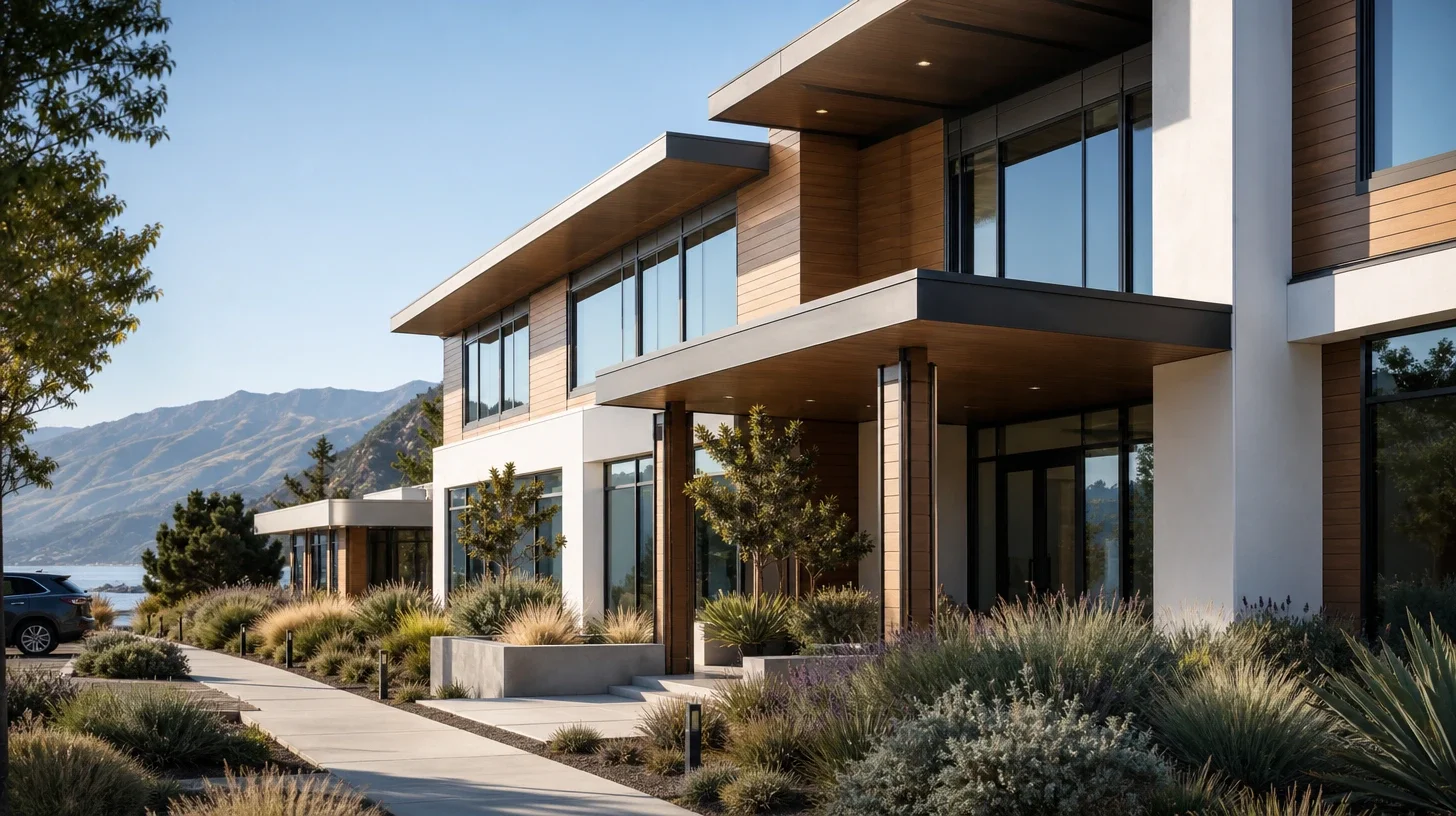
A LENDER HAS ASKED WHAT THE BUILDING IS WORTH
A commercial building near the Civic Center has been held for a long time and improved in stages. The owner is refinancing and the lender wants a supported value. The improvements were permitted and unremarkable individually. The appraisal has to establish what the property is permitted to do before it can say what that permission is worth.
PARTNERS ARE SEPARATING AND NEED ONE NUMBER
Two owners of a small mixed-use property are dividing their interests and need a value both can work from. One believes the site could carry something larger. The appraisal does not settle that ambition. It states what is permissible on the evidence, values the property on that basis, and makes the basis visible so neither party has to take it on trust.
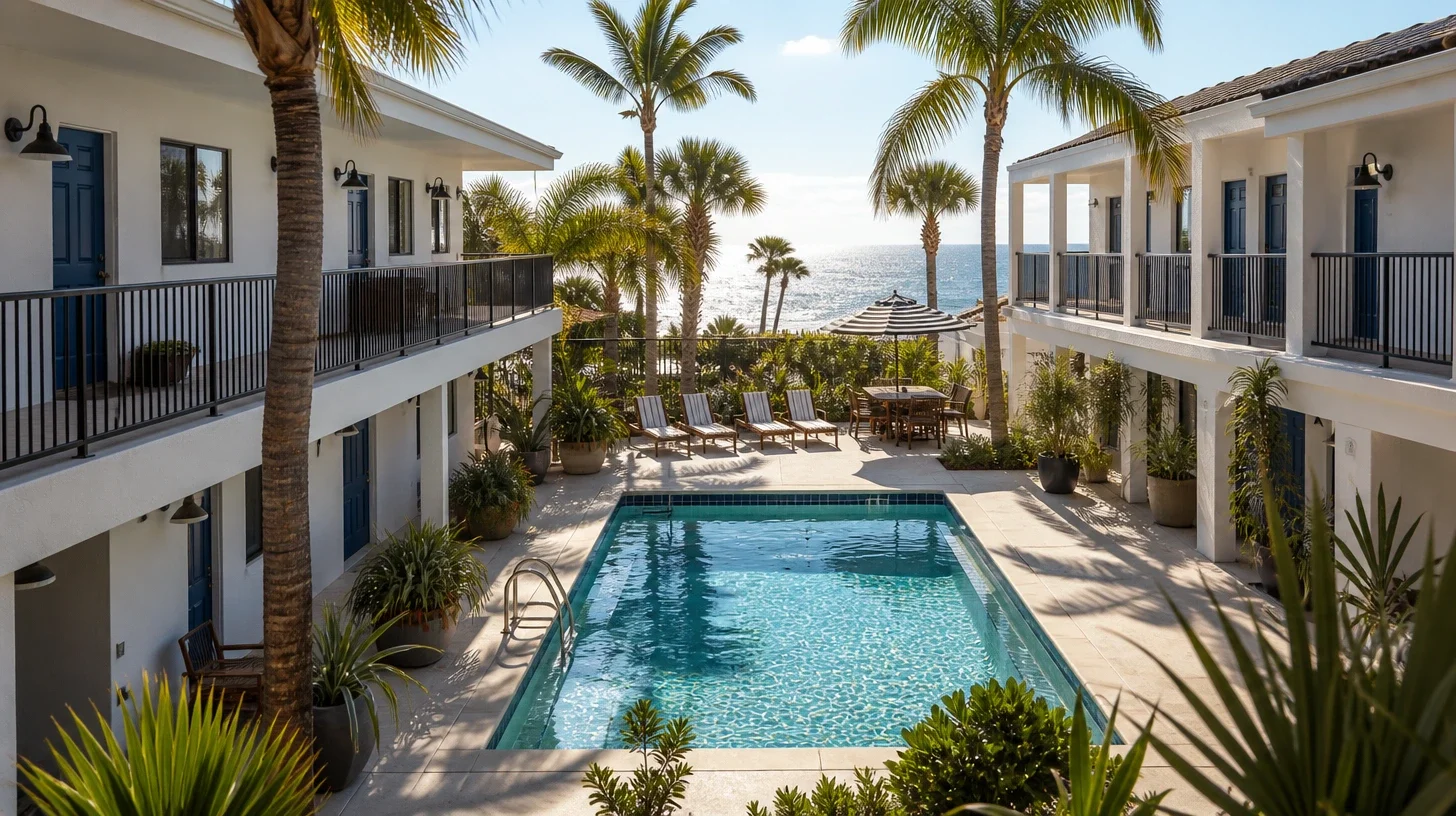
A BUYER’S QUESTION ARRIVED LATE
A sale is in progress on a building along Malibu Road and a question has come up about what could be done with the structure later. The seller had not thought about it in those terms. An appraisal cannot answer what the City would allow, and says so, but it can set out what the record shows and what the value assumes, which is usually what the parties actually needed.
What the Figure Rests On
What the Opinion Rests On When Permissibility Is an Input
A state-certified appraiser signs the report and is available to discuss it with you or with whoever asked you for it. You will know who did the work.
The appraisal is developed under USPAP, with the intended use and the intended users stated on its face, so that a reader knows what it was built for and what it was not.
Where permissibility matters to the conclusion, the report identifies the documents relied on, states the assumption made, and says plainly what was not verified and by whom it would need to be. An assumption that is written down can be checked. One that is absorbed into a number cannot.
The certified Local Coastal Program and a property’s own permit record are public documents. Nothing in the analysis depends on information a reader cannot go and read.
The WCE Difference
What This Way of Working Requires of Us
Reading a permit history properly takes longer than reading a rent roll, and it cannot be done from a desk alone or from a records summary that somebody else prepared.
It also requires saying no to two questions we are asked often: whether a particular building is nonconforming, and what the City would approve. Both are outside an appraiser’s authority. Answering them would make the report easier to read and less useful, because the parties relying on it would be relying on a guess wearing a signature.
What we do instead is make the assumption explicit and the evidence visible, and tell you which question needs to go to the City rather than to us.
The Process
Six Steps, and the Scope Is Agreed in Writing First
SCOPE
We agree the intended use, the intended users and the effective date in writing before any analysis begins.
THE RECORD
We assemble what exists for the property: permits, approvals, plans and any restriction already documented against the existing use.
INSPECTION
We inspect the property and describe what is actually there, which is frequently not what the records describe.
PERMISSIBILITY
We establish what the property is permitted to do, identify the documents that establish it, and state the assumption where the record is incomplete.
ANALYSIS
We select the approaches the assignment supports and apply them, with the reasoning written down rather than summarised.
THE REPORT
You receive a USPAP-compliant report stating the effective date, the intended use, the evidence relied on, and how the conclusion was reached.
Straight Answers
Questions Malibu Owners Ask
Six questions, selected from recorded evidence rather than to fill a slot count. Provenance in 01 Research/FAQ_PROVENANCE_2026-08-18.json.
Does ordinary repair and maintenance count against the limit?
No. The certified program permits a nonconforming structure to be repaired and maintained, and the cumulative test applies to demolition and reconstruction rather than to upkeep. Maintaining a building is also a safety and insurance obligation and is nobody’s business to discourage.
No single project we did was large. Does that still matter?
It can. The certified program counts demolition and reconstruction undertaken since certification cumulatively rather than project by project, so a series of individually modest projects is measured together. What that adds up to for a particular property is a question about that property’s record.
The building is older than the coastal program. Where does that leave it?
Standing, and permitted to remain. Malibu certified its Local Coastal Program in 2002, and a structure that predates the standards now in force is allowed to carry on as it is. The scope of the cumulative rule is the first thing an appraisal establishes, before it states any conclusion.
Which records actually answer this?
Permits, approvals and plans for completed work, and any restriction or approval already documented against the property’s existing use. You do not need a complete set before speaking to us. Part of the work is establishing what exists and stating clearly what does not.
Can you tell me whether my building is nonconforming?
No, and it would be wrong of us to try. Conformity status is determined by the City of Malibu against the certified program and the property’s own permit record. What an appraisal does is state what the value assumes about permissibility and show the evidence behind the assumption, so the question can be put to the City with something concrete in hand.
Nothing has been built on the parcel. Am I in the wrong place?
Probably, and there is a better page for it. This one is about existing improved commercial property. Land valued on what may be built on it is the subject of our Malibu trust appraisal page, which is linked below. Malibu Trust Appraisal, for land valued on what may be built on it.
How It Works
Who Reads a Commercial Appraisal, and What Each One Needs
A report is written for the users named in it. If somebody who was not named needs to rely on it, that is a scope question to raise with us before the work rather than after.
LENDERS AND CREDIT COMMITTEES
Need the basis of value, the effective date and the assumptions stated where a reviewer can find them without asking.
OWNERS AND PARTNERS
Need to understand the reasoning well enough to act on it, and to see where the conclusion would move if an assumption changed.
ATTORNEYS AND ACCOUNTANTS
Need a report whose scope is explicit, so they can tell what it supports and what it does not.
Where We Work
Commercial Appraisal Coverage Across Malibu
We appraise commercial property across the city and the coastline it sits on: the Civic Center and Malibu Road, Point Dume and Zuma, Trancas and the western canyons, and the Pacific Coast Highway frontage that connects them.
Coverage extends across Los Angeles County. Neighbouring coverage is stated where it is real and is not claimed where it is not.

Before You Instruct Anyone
Three Sources Worth Reading First
The WCE Resource Hub
Guidance across the valuation work we do, including the commercial assignments this page describes.
What Is It Worth
How an opinion of value is built, what it can settle and what it deliberately leaves to others.
The Malibu Commercial Preparation Guide
What to gather before an appraisal, and why each item matters.
The Same Service Elsewhere
Commercial Appraisals in Other Cities We Cover
Cities
Would It Help to Talk It Through First?
The first conversation is for defining the assignment. Once we understand the property and why the appraisal is needed, we can identify which records will actually matter. You will not be asked to commit to anything on a first conversation.
Tell us what the building is and what the number has to answer, and we will tell you what the work would involve and what it would rest on.
Scope, purpose and effective date agreed in writing before work begins.