


Whittier Commercial Appraisals for Buildings That Share Their Parking
You own, manage or finance commercial property in Whittier and you need a value you can put in front of somebody else. We take assignments across the whole city, from the Whittier Boulevard corridor and the named commercial centres to the older streets of the Uptown district.
In Uptown, several districts overlap the same ground. Ten public surface lots and two parking structures serve the district, held in common rather than parcel by parcel. The district association describes Uptown as a community benefit district that its own property owners voted in. And on the city’s zoning map those blocks are named as a plan area rather than given a conventional commercial zone.
None of that is a fault in a building. It is an ordinary way for a walkable commercial district to work, and every part of it is an input to a valuation rather than a problem with a property. Whether any of it reaches a particular building is a question about that building, and it is the question this page is about.
Scope, purpose and effective date agreed in writing before any work begins.
What Sits Outside the Property Line
What an Uptown Parcel Shares With the Block Around It
For a valuation that matters in a specific way. Physical adequacy is normally something an appraiser measures at the property line. Here some of what makes a building usable can sit outside it, and a comparable building in a city where every site holds its own lot is not comparable on that dimension without saying so.
We will tell you that the district is there and how it describes itself. We will not tell you on this page what it costs an owner, or whether and how it reaches a particular parcel, because those are answered from the record for a specific property rather than in general, and a page that guessed would be inviting you to plan around something nobody had checked.
So the ordinary first move, looking up the zone and reading across to what is permitted, does not finish the job here. That is a matter of knowing where to look rather than a difficulty, and it is work that gets done before any figure is formed.
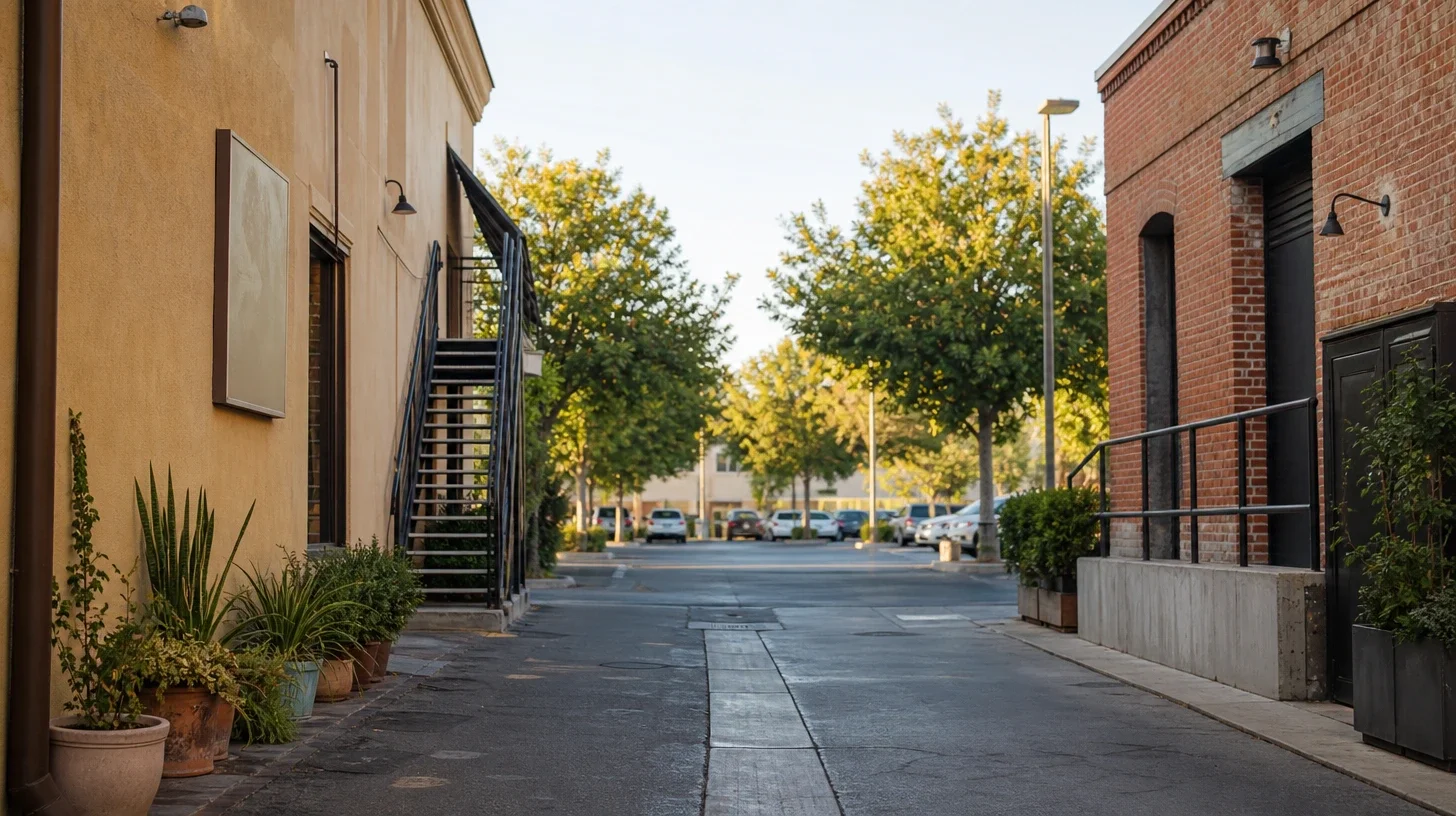

THE PARKING IS HELD IN COMMON
A commercial building in a walkable district was often built when its customers were expected to arrive on foot from somewhere nearby. Uptown is served by ten public surface lots and two parking structures, with walkways running from the lots through to the shopfronts. Several of the lots sell monthly permits, and at least one is posted against permit parking altogether.
THE DISTRICT ITS OWNERS VOTED IN
Uptown is mapped as a community benefit district. The district association describes it as voted on and passed by an overwhelming majority of Uptown property owners, and as privately funded by a coalition of them. Three further benefit zones are mapped over the same streets.
WHAT THE ZONING MAP NAMES
Whittier’s zoning runs from light commercial through general commercial, commercial office, commercial manufacturing, three mixed-use designations, manufacturing, medical and an innovation designation. For the Uptown blocks, and for two other parts of the city, the map does something different: it names a plan area, and the detail lives in that plan rather than in the citywide code.
WHERE THIS PAGE STOPS
We cannot tell you from a page which districts touch your parcel, what your building holds title to, or what it would be permitted to become. Those are answered from a specific property’s own record, and the City of Whittier is the authority on the last of them. What we can tell you is that these are real inputs, that they are established rather than assumed, and that an appraisal which ignored them would be quietly incomplete.
Where the District Facts Actually Matter
Three Points at Which This Stops Being Theoretical
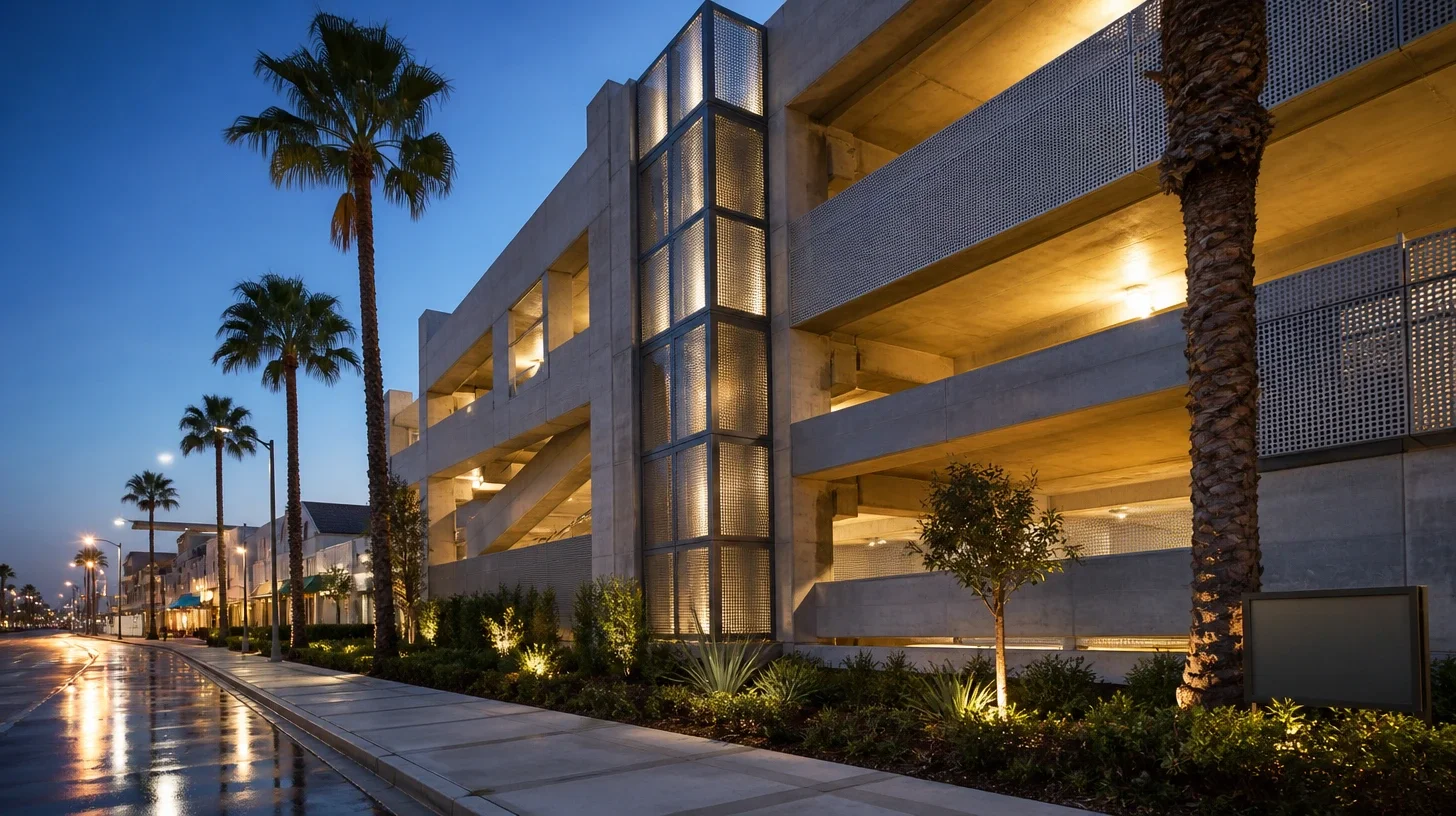
A LENDER ASKS WHAT THE COLLATERAL INCLUDES
A credit committee is looking at a building and wants to know what secures the loan. If the parking that serves the building is public, that is not a defect, but it is a thing the report should describe rather than leave to be discovered. We set out what the property holds and what it relies on, and the lender makes the lending decision.
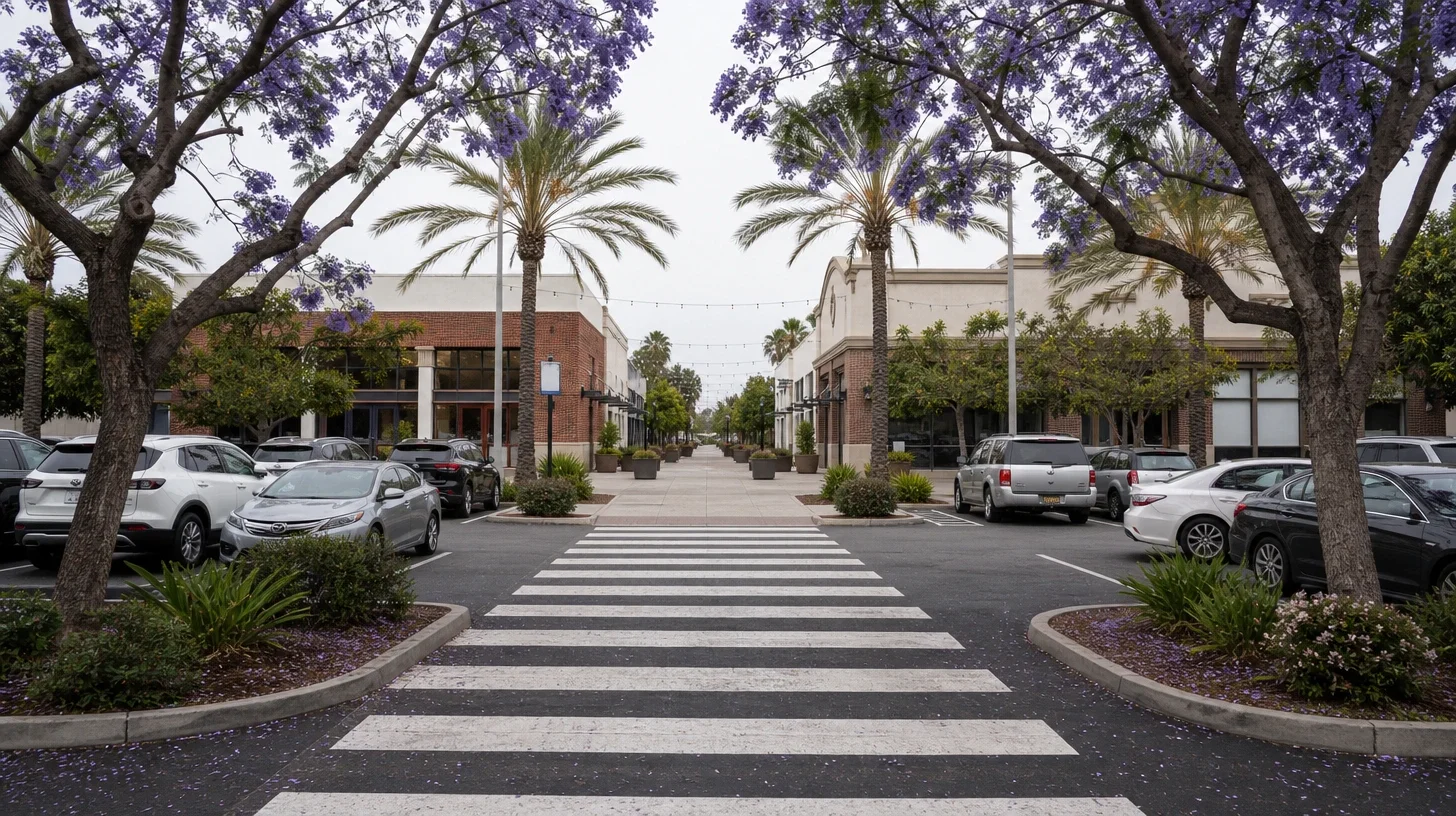
AN OWNERSHIP SPLIT WHERE NOTHING CAN STAY VAGUE
Two owners who have held a building together for years need a number they can both accept. Anything left vague becomes an argument later. Establishing the district position early removes one whole category of dispute from the conversation, because it is a matter of public record rather than of recollection.
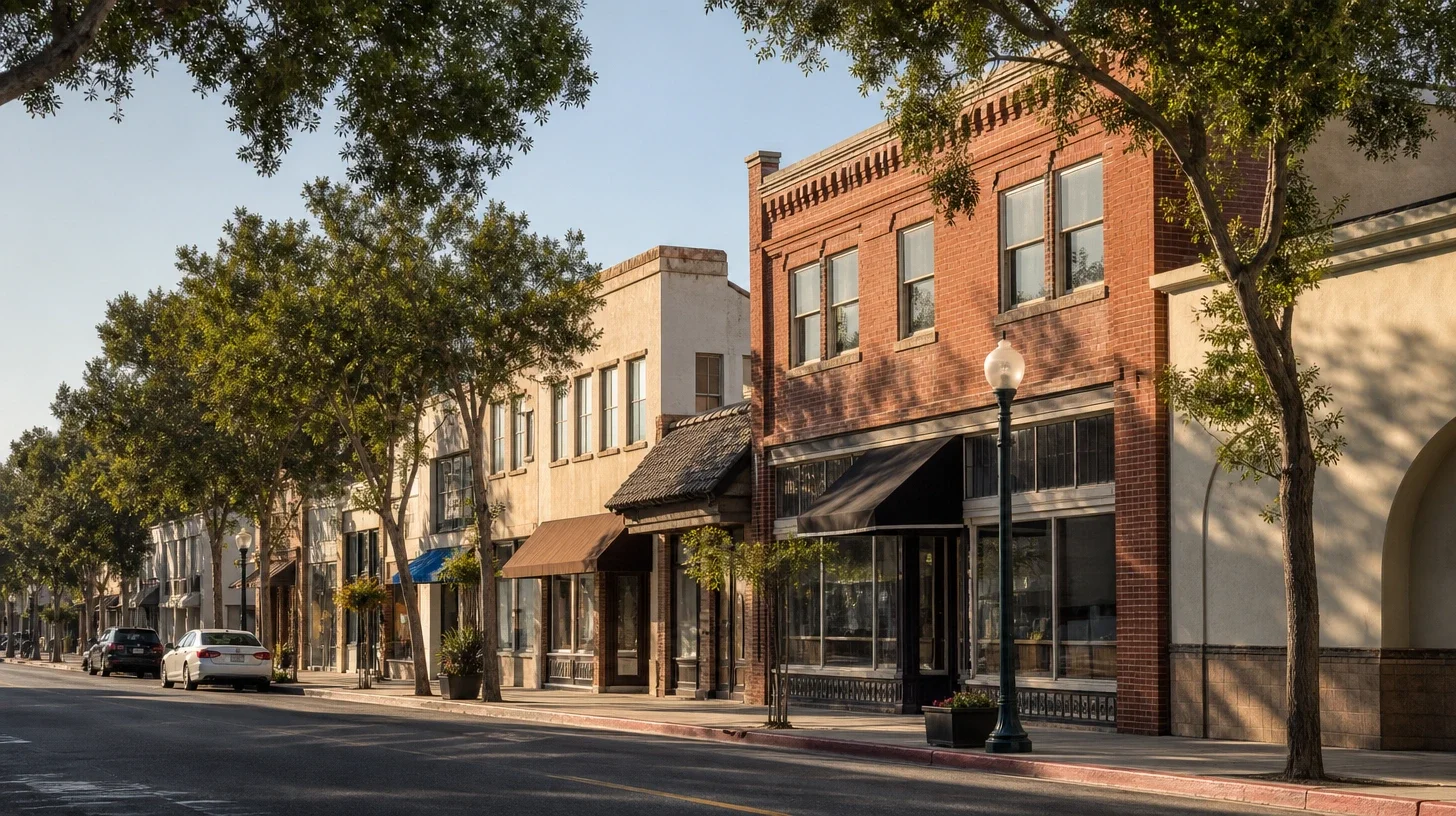
A BUYER IS LOOKING AT A BUILDING THEY DO NOT OWN
Almost everything on this page is district-level and publicly recorded, which means a buyer can have it established before they commit rather than after. That is unusual. Most of what an appraisal needs is held by the current owner, and this part of it is not.
What the Opinion Rests On
What the Work Rests On When Part of the Evidence Is Public
WHO THE REPORT IS FOR, DECIDED AT THE START
What the valuation is for, and who is entitled to rely on it, is settled at the start. It governs the scope of everything after it.
SCOPE AND FEE ARE AGREED IN WRITING
Before analysis begins, and never after a figure exists.
THE DISTRICT POSITION IS ESTABLISHED, NOT ASSUMED
Which districts touch the parcel is checked against the city’s published record rather than inferred from the street. It is a discrete step with a discrete source, and it is the step most easily skipped without anyone noticing until the report is questioned.
A NAMED APPRAISER SIGNS IT
A state-certified appraiser signs the report and will discuss how the conclusion was reached. If something in it does not sit right with you, you are talking to the person who wrote it.
THE REASONING CAN BE FOLLOWED
Sources are separated from conclusions, so a reader can see which facts came from the property, which came from the public record, and which are the appraiser’s judgement.
The Records That Are Yours to Bring
A short preparation guide to the records you already hold: the property and ownership details, occupancy and lease information, improvement history, and the purpose the valuation has to serve. It covers what is yours to gather. The district and parking questions on this page are ours to establish and are not in the kit.
Why We Work This Way
What This Way of Working Requires of Us
Establishing a district position takes time, and it is invisible in a finished report unless something later puts pressure on it. It would be quicker to describe the building, price it against whatever sold nearby and move on. Most of the time nobody would notice.
We do the slower thing because the moments that matter are the moments a report is questioned, and by then the work either sits behind the number or it does not.
The Order Things Happen In
Six Steps, and the District Comes Early
ONE. THE BUILDING, AND THE DECISION BEHIND THE REQUEST
What the building is, and what the valuation has to serve.
TWO. INTENDED USE, INTENDED USERS AND THE EFFECTIVE DATE
Settled together, in writing, with the scope and the fee.
THREE. THE PUBLIC RECORD
Zoning, plan area and district position, established from the city’s own published record before the property is visited.
FOUR. THE RECORDS YOU HOLD
Occupancy, leases where they exist, operating information, improvement history. What exists and is reasonably available, not documents created for the appraisal.
FIVE. THE VISIT, AND WHAT IT RECORDS
Access to representative space, common areas and whatever parking the property does hold. A contact who can answer factual questions about how the building is used.
SIX. ANALYSIS, RECONCILIATION AND THE REPORT
More than one approach where more than one fits, reconciled, with the sources kept separate from the conclusions.
Straight Answers
Questions Whittier Owners and Lenders Ask
My customers park in the city lots. Does that change what the building is worth?
It is something the valuation has to account for rather than something that automatically moves the number up or down. Shared district parking affects how a building compares to properties that hold their own, and the report says so explicitly instead of leaving it inside a single figure.
What if my building does have its own parking?
Then that is what we record. Nothing on this page is a statement about your property. Uptown buildings differ from one another and some hold parking of their own, which is exactly why this is established for the specific property rather than assumed from the district.
Uptown has a benefit district. How does that reach an appraisal?
The district association describes Uptown as a community benefit district voted in by its property owners. Whether and how any of that reaches a particular parcel is checked from the record for that property rather than described in general here. We would rather tell you the position for your building than a generalisation that might not be yours.
My property is on Whittier Boulevard, not in Uptown. Does any of this apply?
Possibly not, and you are still in the right place. We appraise commercial property across Whittier, and the corridor and the named centres are a large part of the city’s commercial stock. The Uptown arrangement is one thing an appraisal checks for; it is not the whole of what an appraisal does.
Can you tell me which districts my property sits in?
Yes, and it is ordinary work rather than a special request. It is checked against the city’s published record as part of the assignment. What we do not do is tell you what the City would approve or permit, which is theirs to say and not ours.
Does shared parking cause a problem with a lender?
That is the lender’s decision and we do not predict it. What we can do is make sure the report describes the arrangement clearly enough that a credit committee is not discovering it late, which is usually the thing that causes difficulty rather than the arrangement itself.
I am buying a Whittier building I do not own yet. Can this be established before I commit?
Much of it, yes. The district and zoning position is public, so it does not depend on the current owner handing anything over. The records that are theirs, the leases and the operating history, are a separate matter and we will tell you plainly which part of the picture we can complete without them.
A question about one property is a good enough reason to make contact. No document list is needed first.
Who the Report Is For
What Each Reader Needs From the Same Report
Reliance belongs to the intended users named in the report. If somebody else will need to rely on it, tell us at the start, because it is straightforward then and awkward afterwards.
A LENDER DECIDING ON COLLATERAL
Wants scope, credential and instrument, and wants the property described completely enough that nothing material surfaces after the decision.
AN OWNER OR PARTNER MAKING A DECISION
Wants a figure they can act on and an explanation they can repeat to somebody else without it falling apart.
AN ADVISER SETTING THE INTENDED USE
An attorney, an accountant or a representative who fixes what the valuation is for, who may rely on it, and often the date it has to speak to. They need that settled at the start rather than negotiated at the end.
A BUYER WHO DOES NOT OWN IT YET
Needs to know which parts of the picture can be established from the public record before they commit, and which parts wait until they have the seller’s cooperation.
Where We Work
Commercial Assignments Across the City of Whittier
We take commercial assignments throughout Whittier, not only in Uptown. The city zones for light and general commercial, commercial office, commercial manufacturing, mixed use, manufacturing, medical and innovation uses, and its commercial property runs from the Whittier Boulevard corridor and the named commercial centres to the hillside edges and the older core.
The district arrangement described on this page belongs to one part of the city. The service does not.
If You Would Rather Read First
Reading Before You Decide Anything
The WCE Resource Hub
Guidance across the valuation work we do, including the commercial assignments this page describes.
What Is It Worth
How an opinion of value is built, what it can settle, and what it deliberately leaves to others.
The Whittier Commercial Preparation Guide
What to gather before an appraisal, and why each item earns its place.
The Same Work Elsewhere
Commercial Appraisals in Other Cities We Serve
Encino Commercial Appraisal Studio City Commercial Appraisal Calabasas Commercial Appraisal
Cities
Tell Us About the Building and What the Value Is For
You do not need the district answers before you call. Those are ours to establish. Describe the property and the decision in front of you, and the scope, the timing and the records that actually matter can be worked out from there.
What would you like the valuation to settle?
Scope, purpose and effective date agreed in writing before any work begins.