


Whittier Residential Appraisals, Inside the Historic Districts and Outside Them
You own a home in Whittier and you need a value you can act on, or put in front of somebody who will. We appraise houses across the whole city, from the valley floor to the hills.
Whittier keeps four historic districts and every one of them is residential. They are small. One is approximately 98 parcels and another is seven properties. The city also keeps a separate register on which individual houses are listed, which means a house can carry something its street does not.
Most homes in Whittier are in none of it. Where the record does reach a property it is a fact recorded against that parcel, and it belongs in a valuation the way any other recorded fact does. Whether it reaches a particular house is a question about that house, and it is the question this page is about.
Purpose, intended users and effective date agreed in writing before any work begins.
What the City Keeps
What Whittier’s Record Holds About a House
They are boundaries rather than moods. A house is inside one or it is not, and the line does not follow how a street feels to walk down.
That is the part most owners do not expect. A house can be listed in its own right, so the question is not only which district a property sits in. It is what the record says about that property.
For an appraisal that is not a curiosity. Where parcels have held their shape for eighty years, the comparable set behaves differently from a neighbourhood that has been divided and redivided, and the reasoning has to account for it rather than assume it away.
We also will not tell you here what a designation would require of you. That is a question for the City, and an appraisal that answered it would be guessing in a signed document.
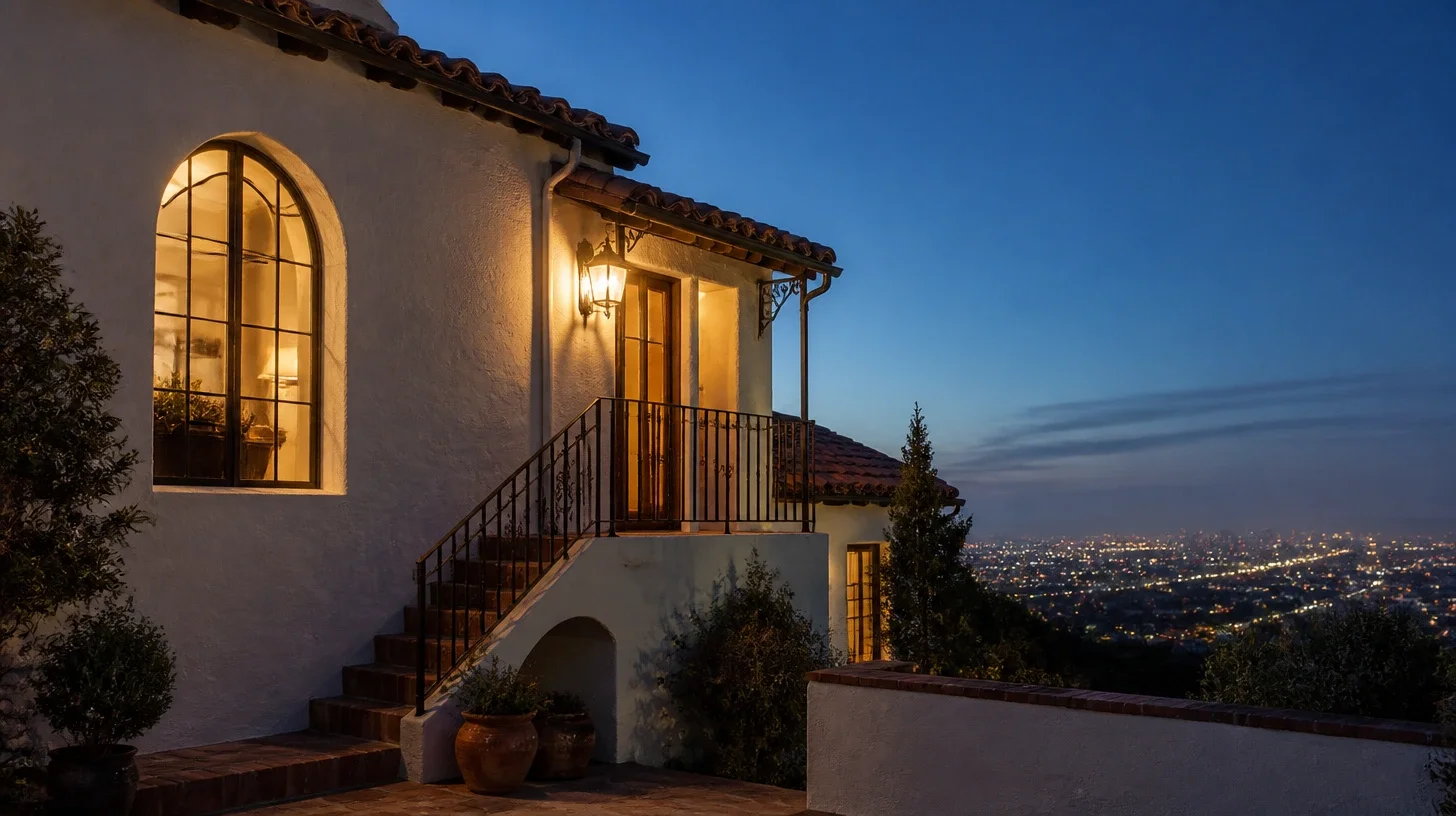
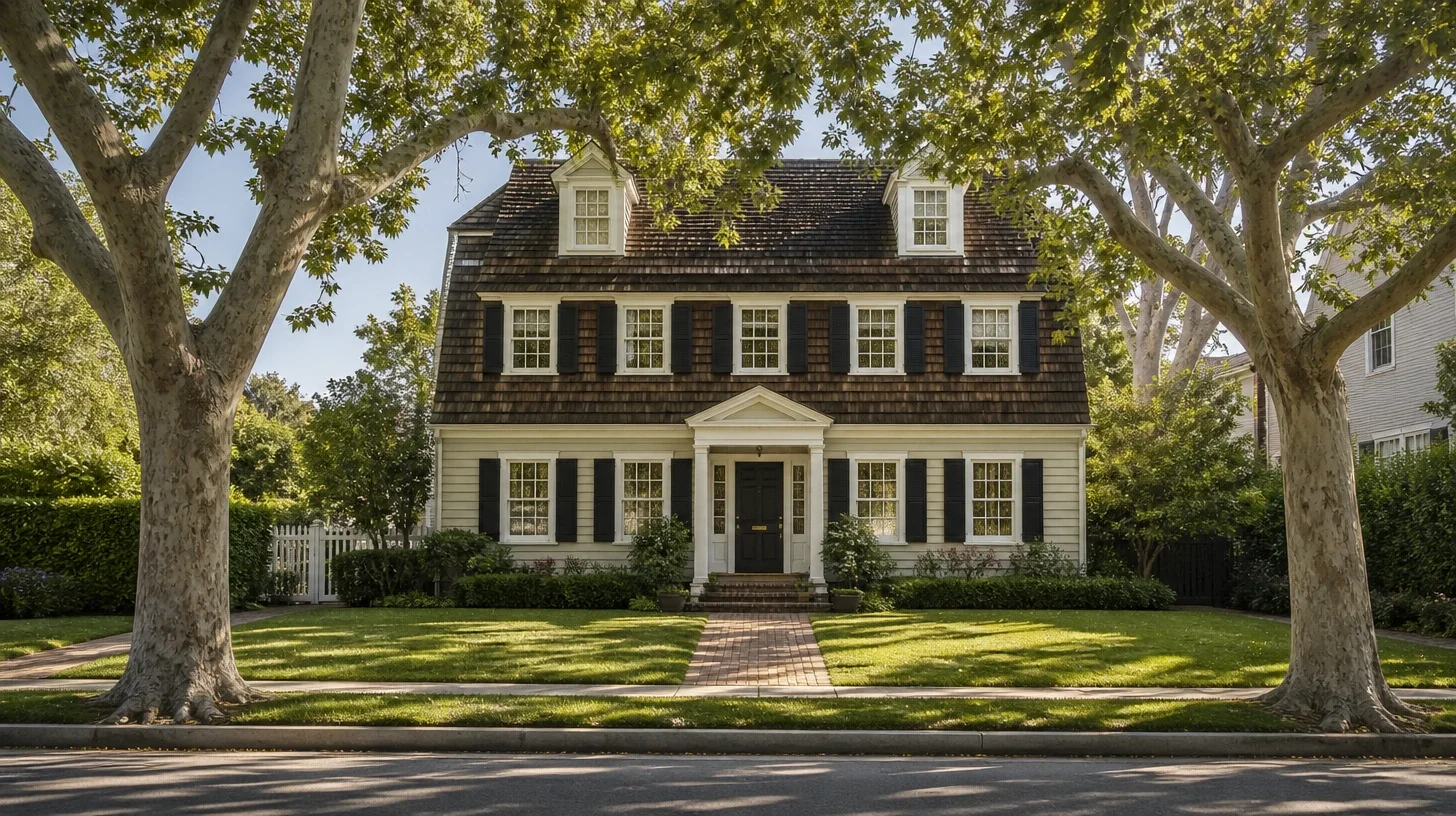
FOUR DISTRICTS, AND ALL FOUR ARE RESIDENTIAL
Central Park, Hadley Greenleaf, Earlham and College Hills. Each is a defined area with its own chapter of the city’s code. Central Park runs to approximately 98 parcels and takes in three churches, the post office and the Red Cross building. Earlham was designated in 2011 and includes seven properties, on land subdivided as the College Villa Tract. College Hills covers 1923 to 1959 and is recorded by the city as the first planned hillside development in Whittier.
A REGISTER OF INDIVIDUAL HOUSES
Alongside the districts the city keeps a Local Official Register of Historic Resources, on which particular structures are listed. Three of them stand inside Central Park.
A PARCEL PATTERN THAT HAS BARELY MOVED
Of College Hills the city records that the original tract lot lines are more than ninety-nine percent intact, and that across seventy-nine years one lot has been subdivided and two were merged.
WHAT WE WILL NOT SAY FROM HERE
We will not tell you from a page whether your house is in a district or on the register. That is established for a specific property from the city’s own record, and designation itself is the City of Whittier’s to decide, not an appraiser’s.
When It Changes the Work
Three Points Where the Record Changes the Work
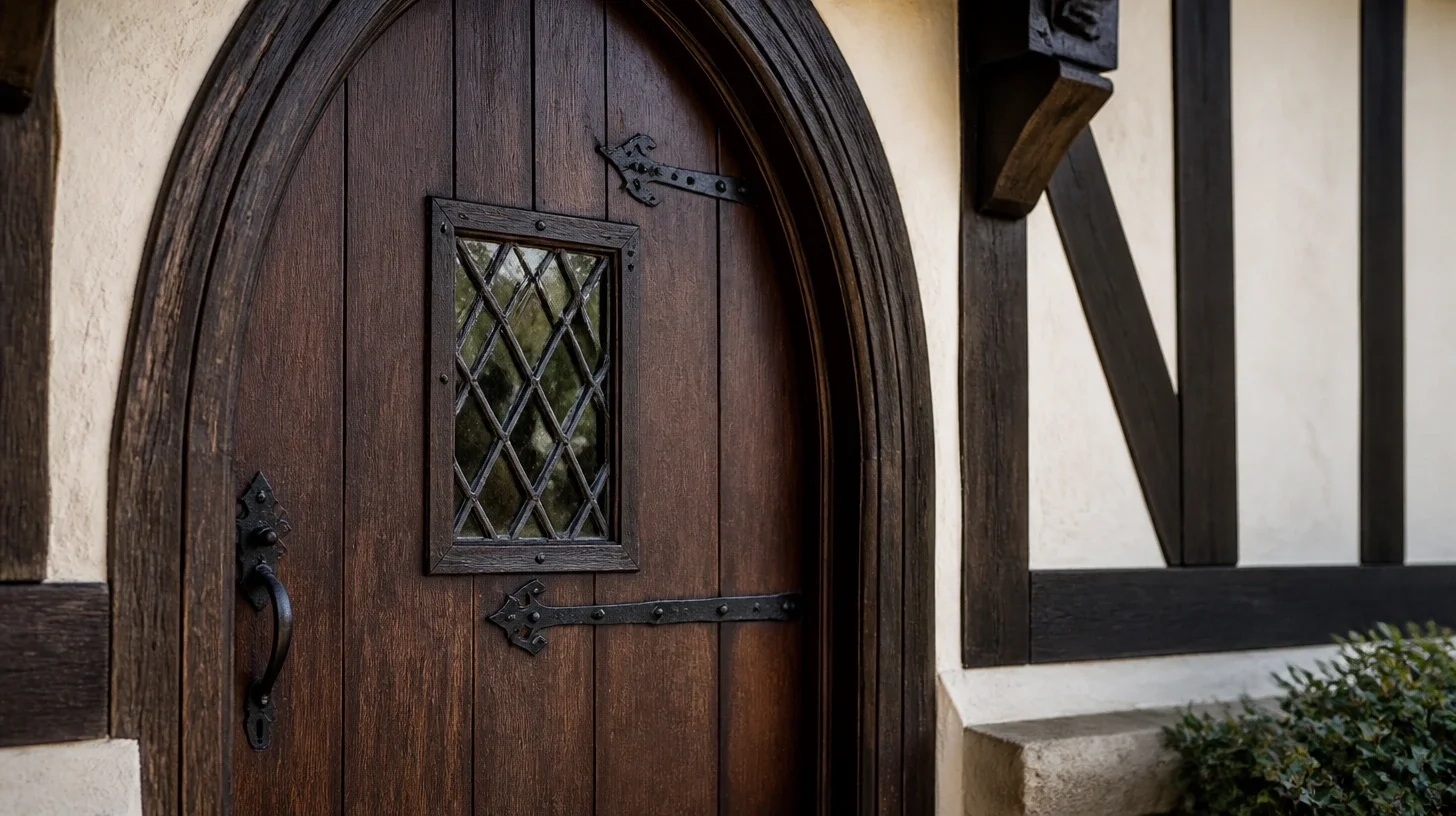
A REFINANCE ON A HOUSE THAT HAS BEEN THERE A WHILE
A lender wants a supported value on an older Whittier home. The record check happens before the visit, so what the report says about the property is settled on evidence rather than added afterwards when somebody asks.
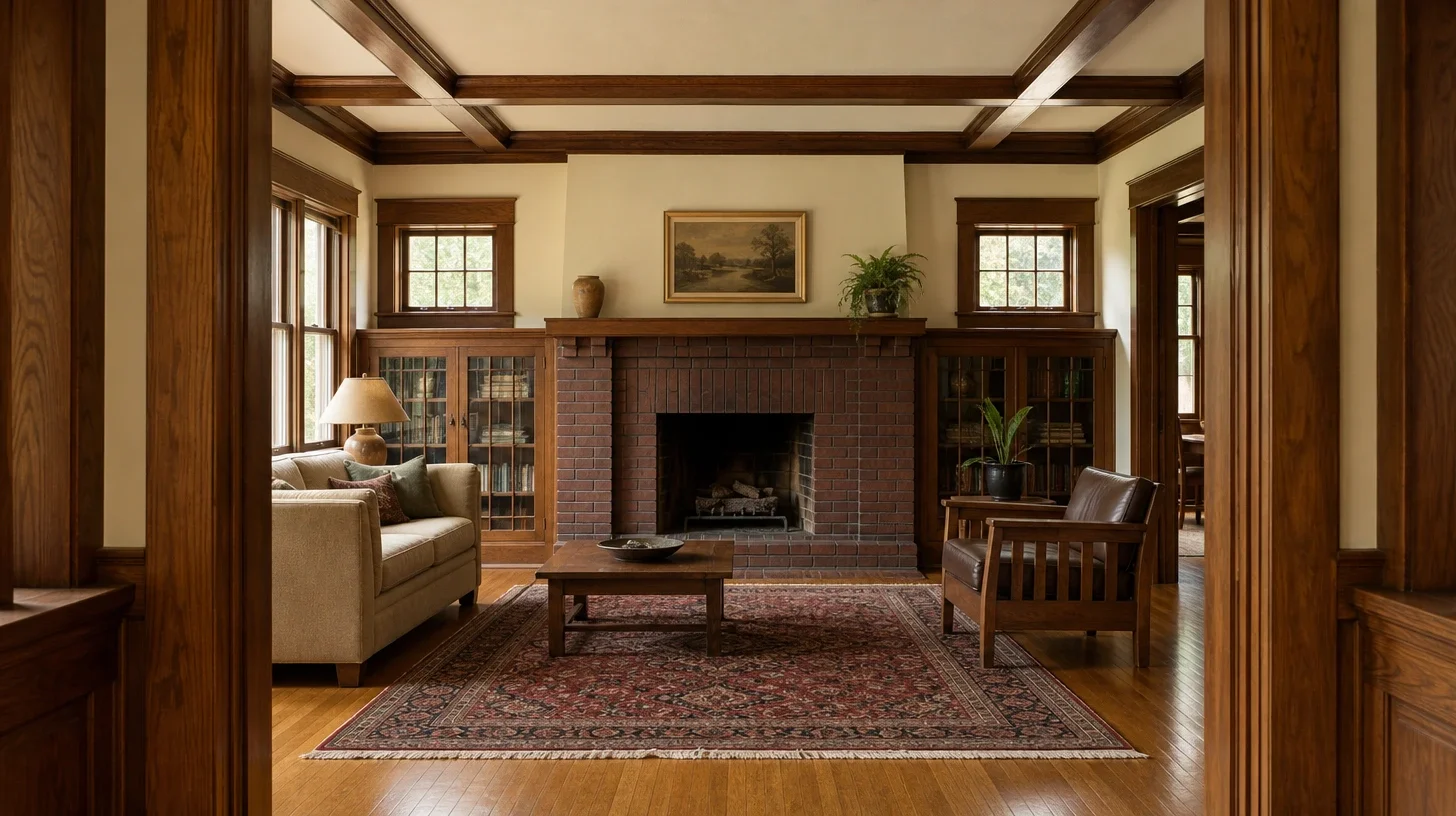
A FAMILY SETTLING SOMETHING BETWEEN THEMSELVES
Two or three people need one number they can all work from, and nobody wants to reopen it later. Anything recorded against the parcel is better established at the start than discovered halfway through, because a fact from a public record is not a matter of opinion between them.
A BUYER LOOKING AT A HOUSE THEY DO NOT OWN
Almost everything on this page is public. A buyer can have the record position established before they commit rather than after, which is unusual: most of what an appraisal needs is held by the current owner and this part of it is not.
What It Rests On
What This Opinion Is Built On
THE JOB IS DEFINED BEFORE IT IS PRICED
A valuation for a refinance and a valuation for a family settlement are not the same piece of work, and the difference has to be decided at the beginning rather than discovered in the middle.
YOU KNOW THE COST BEFORE THE WORK STARTS
In writing, and never once a figure exists.
THE RECORD IS CHECKED, NOT ASSUMED
Whether a district or the register reaches the property is looked up against the city’s own published record rather than judged from the street. It is a discrete step with a discrete source, and it is the step most easily skipped without anyone noticing until the report is questioned.
SOMEBODY AT WEST COAST EVALUATION PUTS THEIR NAME ON IT
The report is signed by a state-certified appraiser, and that person will take your call about it afterwards. You are not corresponding with a file number.
YOU CAN SEE WHICH FACT CAME FROM WHERE
The report keeps the city’s record, the things you told us and the appraiser’s own judgement visibly apart, so anyone reading it can tell which part they are looking at.
What to Gather Before the Visit
A short preparation guide to what you already hold: the property and occupancy basics, access arrangements, improvement history and permits, and the purpose the valuation has to serve. Its own section on restrictions and approvals asks you to mention anything unusual rather than decide first whether it matters, which is exactly the right instinct. The district and register questions are ours to look up.
Why We Work This Way
Why We Check Something Most Reports Do Not
Looking up a property against a city’s historic record takes time, and it is invisible in a finished report unless something later puts pressure on it. It would be quicker to describe the house, price it against whatever sold nearby, and move on. Most of the time nobody would notice.
We do the slower thing because the moments that matter are the moments a report is questioned, and by then the work either sits behind the number or it does not.
How It Runs
The Order the Work Happens In
ONE. THE HOUSE AND THE DECISION
What the property is, and what the valuation has to serve.
TWO. PURPOSE, USERS AND THE EFFECTIVE DATE
Settled together, in writing, with the scope and the fee.
THREE. THE CITY’S RECORD
District boundaries and the register, checked against the city’s own published record before the property is visited.
FOUR. WHAT YOU HOLD
Occupancy, access, improvement history, permits where you have them, and anything unusual you would rather mention than judge.
FIVE. THE VISIT
Normal access to the house and the relevant areas. Nothing needs staging or remodelling for an appraisal.
SIX. ANALYSIS AND THE REPORT
Comparable selection and reconciliation, with the sources kept separate from the conclusions.
Straight Answers
What Owners Ask About Older Whittier Homes
My house is old. Does that make it historic?
Not on its own. Age is not the test. What matters is whether the property sits inside one of the four districts or is listed on the city’s register, and those are defined boundaries and a defined list rather than a question of how old or how handsome a house is.
Would I already know if my house were listed?
Not necessarily, and that is a fair thing to be unsure about. It is checked against the city’s published record as part of the assignment rather than assumed from what a previous owner did or did not mention.
Who decides whether a property is historic?
The City of Whittier, against its own criteria and its own record. An appraiser does not make that determination and should not appear to. What an appraisal does is establish what the record currently says and set out what the value assumes about it.
How does that status reach a valuation at all?
As a recorded fact about the property, handled like any other. The report states what the record shows, says what the conclusion assumes, and shows the evidence behind the assumption, so a reader can see where the number would move if the assumption changed.
Does the report say whether it helps or hurts the value?
It says what the evidence supports and no more than that. We do not carry a general rule into a specific house in either direction, because a generalisation about designated property is not evidence about yours.
We are planning work on the house. Should we wait?
Not on our account. An appraisal describes the property as it stands at the effective date. Whether the work itself needs approval from the City is a separate question and one for them, and it is worth asking before you start rather than after.
Most of Whittier is outside these districts. Is this page still for me?
Yes. The districts are small and the register is a list, and most houses in this city are in neither. We appraise homes across the whole of Whittier, and the record check is one thing an assignment does rather than the whole of what it is for. If what you own is commercial rather than a house, our Whittier Commercial Appraisal page is the better place to start.
A question about one house is a good enough reason to make contact.
Who It Is Written For
Who the Report Is Written For
A report names the people entitled to rely on it. Tell us at the start if that list needs to include somebody else, because adding a name then is routine and adding it later is not.
THE PERSON WHO OWNS THE HOUSE
Usually needs to explain the number to somebody who was not there when it was made: a bank, a sibling, a former spouse. What they need most is a report that survives being repeated.
A LENDER OR AN ADVISER
Wants the purpose, the effective date and the assumptions stated where a reviewer can find them without asking.
A FAMILY OR A REPRESENTATIVE
Needs the reasoning to hold up in a conversation where not everyone starts from the same place.
SOMEBODY BUYING INTO THE STREET
Can learn the city’s side of it before they are committed, because that part is public and does not wait on a seller.
Where We Work
Every Home in Whittier, Not Only Four Districts
We appraise residential property throughout Whittier. The city zones for single-family, multiple-family, residential estates and hillside residential, and its homes run from the valley floor up into the hills and the open space beyond them.
The four historic districts are a small part of that. The record check described on this page applies where it applies. The service does not stop at a boundary.

If You Would Rather Read
Background Reading on How Value Is Established
The WCE Resource Hub
Guidance across the valuation work we do, including the residential assignments this page describes.
What Is It Worth
How an opinion of value is built, what it can settle, and what it deliberately leaves to others.
The Whittier Residential Success Kit
What to gather before an appraisal, and why each item earns its place.
Elsewhere
The Same Work in Other Cities
Calabasas Residential Appraisal Malibu Residential Appraisal Encino Residential Appraisal
Cities
Describe the House and Why the Value Is Needed
Nobody expects you to have looked any of this up. That part is ours. Say what the house is and what the number has to do, and we will tell you what the work involves, what it will cost, and which of your papers are actually worth digging out.
What would you like the valuation to settle?
Purpose, intended users and effective date agreed in writing before any work begins.